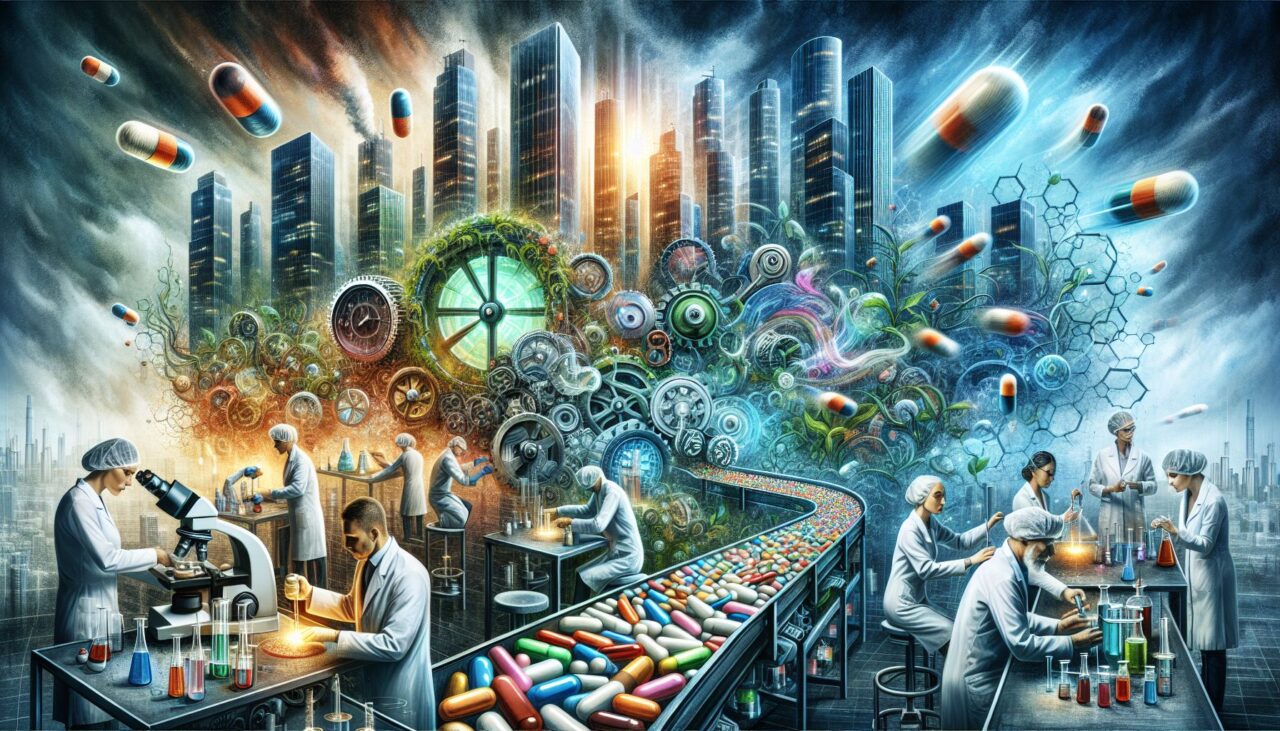
The pharmaceutical industry is a crucial component of healthcare worldwide. With advancements in science and technology, new drugs are constantly being developed to improve the quality of life for millions of people suffering from various medical conditions. The pharmaceutical world has witnessed significant changes over the years, and continues to transform at a remarkable pace.
Overview of the Pharmaceutical Industry
The pharmaceutical industry encompasses companies involved in research, development, manufacturing, and distribution of drugs for both human and animal consumption. These drugs aim to prevent, treat, and cure diseases, and enhance overall well-being. The industry plays a vital role in the healthcare ecosystem by bringing life-saving medications to patients.
The Role of Research and Development
Research and development (R&D) form the foundation of the pharmaceutical world. Companies invest substantial time, money, and resources into discovering new drugs or improving existing ones. Scientists and researchers often work tirelessly to understand the root causes of diseases and develop effective treatments. Rigorous clinical trials are conducted to ensure the safety and efficacy of these pharmaceuticals before they are approved for public use.
Technological Advancements
Technological advancements have revolutionized the pharmaceutical industry. Automation and artificial intelligence (AI) have streamlined various processes, from drug discovery to manufacturing. AI algorithms aid in identifying potential drug candidates and predicting their effectiveness, significantly reducing the time and cost associated with traditional drug development methods.
Moreover, digital health technologies have enabled the collection of real-time data from patients, leading to more personalized and effective treatments. Wearable devices and mobile applications enable individuals to monitor their health status, track vital signs, and share this information with healthcare providers. This data-driven approach allows physicians to make informed decisions, optimizing patient outcomes and overall healthcare delivery.
The Rise of Biopharmaceuticals
With advances in biotechnology, the pharmaceutical world has witnessed a growing prominence of biopharmaceuticals. These drugs are derived from living organisms such as bacteria, yeast, or mammalian cells. Biopharmaceuticals have revolutionized the treatment landscape by introducing innovative therapies, including gene and cell-based therapies and monoclonal antibodies. These cutting-edge treatments offer new hope for patients with complex medical conditions, often providing more targeted and personalized approaches.
Regulatory Environment and Market Challenges
The pharmaceutical industry operates within a complex regulatory environment. Drug approval processes require compliance with stringent safety and efficacy standards set by regulatory authorities. Achieving regulatory approval can be a time-consuming and expensive endeavor, which presents challenges for drug developers.
Additionally, the market dynamics and competition within the pharmaceutical industry can be intense. Companies strive to secure intellectual property rights, protect their inventions, and navigate the complexities of global markets. Pricing pressures, patent expirations, and generic competition pose significant challenges for pharmaceutical companies in maximizing revenues while ensuring affordable access to life-saving drugs.
Conclusion
The pharmaceutical world continues to evolve rapidly, driven by scientific breakthroughs, technological advancements, and the pursuit of improved patient outcomes. The industry’s commitment to research and development has resulted in groundbreaking medications that have revolutionized healthcare. As we progress further, collaborations between pharmaceutical companies, healthcare professionals, and policymakers will be key to overcoming the challenges ahead, ensuring that innovative and affordable drugs reach those who need them the most.