Month: June 2024 Page 1 of 3

Exploring the Complexities of the Pharmaceutical World

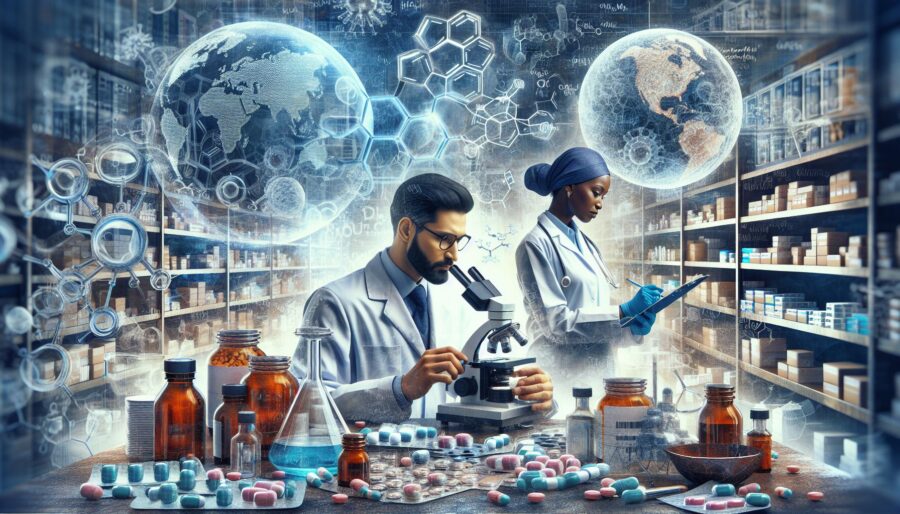
The pharmaceutical world is a vast and ever-changing industry that plays a crucial role in the healthcare system. From developing new medications to ensuring their safe distribution, there are many moving parts that come together to make this industry function.

In recent years, there has been a growing focus on the importance of pharmaceutical research and development. This is because new diseases are emerging, old diseases are becoming resistant to current treatments, and the health needs of the global population are evolving. As a result, pharmaceutical companies are investing more in research and development to create innovative solutions to these challenges.

One of the key aspects of the pharmaceutical world is regulatory compliance. Before a new medication can be brought to market, it must undergo rigorous testing to ensure its safety and efficacy. Regulatory bodies such as the Food and Drug Administration (FDA) in the United States and the European Medicines Agency (EMA) in Europe play a vital role in this process by reviewing clinical trial data and granting approval for new medications.

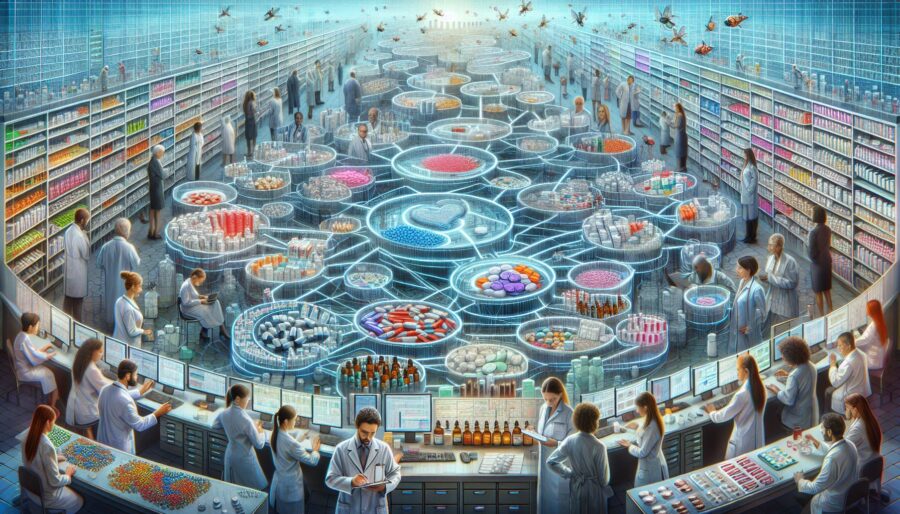
Another important aspect of the pharmaceutical world is manufacturing and distribution. Once a medication has been approved, pharmaceutical companies must ensure that it is produced in a controlled environment to maintain its quality and safety. From there, the medication must be distributed to pharmacies, hospitals, and other healthcare providers in a timely and efficient manner.

Additionally, the pharmaceutical world is not without its challenges. Issues such as high drug prices, counterfeit medications, and access to healthcare in underserved communities are all areas that the industry must address. Many pharmaceutical companies are working to find solutions to these challenges through partnerships with governments, non-profit organizations, and other stakeholders.

In conclusion, the pharmaceutical world is a complex and dynamic industry that plays a vital role in the healthcare system. From research and development to manufacturing and distribution, there are many facets that come together to bring new medications to market and ensure they reach those who need them. By addressing challenges and working towards innovative solutions, the pharmaceutical industry can continue to improve healthcare outcomes for people around the world.
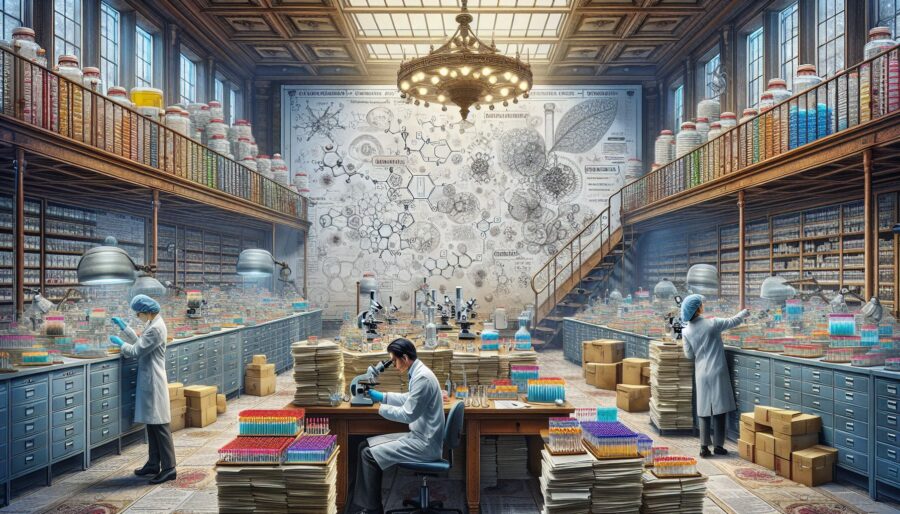
The Impact of Technology on the Pharmaceutical World

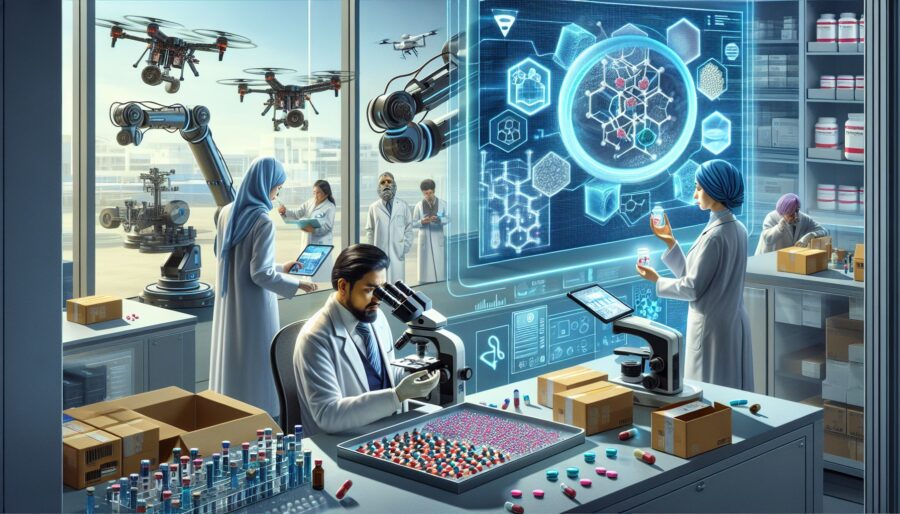
The pharmaceutical world is constantly evolving, and technology plays a major role in driving this evolution. From drug discovery to manufacturing to distribution, technology has revolutionized every aspect of the industry. In this blog post, we will explore the impact of technology on the pharmaceutical world and how it has changed the way drugs are developed and brought to market.

Drug Discovery

One of the most significant ways technology has impacted the pharmaceutical world is in drug discovery. High-throughput screening, computer modeling, and artificial intelligence have allowed researchers to identify potential drug candidates more efficiently than ever before. This has reduced the time and cost associated with developing new drugs, allowing pharmaceutical companies to bring life-saving treatments to market faster.

Manufacturing

Technology has also revolutionized the manufacturing process for pharmaceuticals. Automation and robotics have made production more efficient and precise, reducing the risk of errors and contamination. Advanced monitoring systems and data analytics allow manufacturers to track and optimize every step of the production process, ensuring that drugs meet the highest quality standards.

Distribution

The internet and digital technologies have transformed the way pharmaceutical products are distributed. Online pharmacies and e-commerce platforms have made it easier for patients to access medications, even in remote areas. Supply chain management systems ensure that drugs are delivered safely and on time, reducing the risk of shortages and stockouts.

Regulatory Compliance

Technology has also had a significant impact on regulatory compliance in the pharmaceutical industry. Electronic record-keeping systems, digital imaging, and blockchain technology have made it easier for companies to comply with regulations and maintain accurate documentation. This has improved transparency and accountability, ultimately leading to better patient safety.

Conclusion

Technology has brought numerous advancements to the pharmaceutical world, revolutionizing drug discovery, manufacturing, distribution, and regulatory compliance. As the industry continues to evolve, it is essential for pharmaceutical companies to embrace these technological innovations to improve efficiency, reduce costs, and ultimately, bring life-saving treatments to patients faster. By leveraging the power of technology, the pharmaceutical world can continue to make significant strides in improving global health outcomes.

The Fascinating World of Pharmaceuticals

The pharmaceutical industry plays a vital role in improving the health and well-being of people around the world. From developing life-saving medications to conducting cutting-edge research, pharmaceutical companies are constantly pushing the boundaries of science and technology. In this blog post, we will explore the fascinating world of pharmaceuticals and the impact it has on society.

The Role of Pharmaceuticals

Pharmaceuticals are an essential component of modern healthcare. They are used to treat a wide range of illnesses and conditions, from common ailments like the flu to chronic diseases like cancer. Pharmaceutical companies invest billions of dollars each year in research and development to create new medications and improve existing ones. This has led to groundbreaking discoveries in the field of medicine, saving countless lives and alleviating suffering.

Pharmaceuticals also play a crucial role in preventing disease. Vaccines, which are a type of pharmaceutical product, have been instrumental in eradicating deadly diseases like smallpox and reducing the prevalence of others such as polio and measles. By providing immunity against infectious agents, vaccines help protect individuals and communities from outbreaks and epidemics.

Challenges in the Pharmaceutical Industry

Despite the many benefits of pharmaceuticals, the industry faces several challenges. One of the most significant challenges is ensuring the safety and efficacy of medications. Before a new drug can be approved for use, it must undergo rigorous testing to demonstrate its safety and effectiveness. This process can be time-consuming and expensive, with many potential drugs failing to make it to market.

Another challenge in the pharmaceutical industry is the rising cost of medications. As research and development become more complex and the demand for new treatments grows, the cost of drugs has skyrocketed in recent years. This has led to concerns about access to essential medications, particularly for vulnerable populations who may not be able to afford them.

Conclusion

The pharmaceutical industry is a complex and ever-evolving field that plays a critical role in healthcare. From developing new medications to preventing disease, pharmaceutical companies are at the forefront of scientific innovation. While there are challenges facing the industry, the potential for positive impact on society is immense. As technology continues to advance, the world of pharmaceuticals will only become more fascinating and integral to our well-being.

The Exciting World of Pharmaceuticals

In today’s modern world, pharmaceuticals play a crucial role in our lives. From combating diseases to improving quality of life, the pharmaceutical industry has made remarkable advancements that have revolutionized healthcare. Let’s dive into the exciting world of pharmaceuticals and explore the innovations that are shaping the future of medicine.

The Beginnings of Pharmaceuticals

The roots of the pharmaceutical industry can be traced back to ancient civilizations, where natural ingredients were used to treat various ailments. Over time, this evolved into the development of synthetic drugs that target specific diseases and conditions. Today, pharmaceutical companies dedicate extensive resources to research and development, bringing life-saving medications to the market.

Cutting-Edge Technology

Advances in technology have transformed the way pharmaceuticals are developed and produced. From high-throughput screening to virtual clinical trials, innovative approaches are pushing the boundaries of drug discovery. Artificial intelligence and machine learning are being utilized to analyze vast amounts of data and identify potential drug candidates more efficiently than ever before.

Personalized Medicine

One of the most exciting developments in the pharmaceutical world is the concept of personalized medicine. By leveraging genetic information and biomarkers, doctors can tailor treatment plans to individual patients, maximizing efficacy and minimizing side effects. This personalized approach is revolutionizing the way we treat diseases, offering new hope for patients with complex medical conditions.

Regulatory Challenges

Despite the remarkable progress in the pharmaceutical industry, there are also challenges that must be navigated. Regulatory agencies play a critical role in ensuring the safety and efficacy of medications, but navigating the complex approval process can be time-consuming and costly for companies. Balancing innovation with compliance is a delicate dance that pharmaceutical companies must master to bring new treatments to market.

The Future of Pharmaceuticals

As technology continues to advance and our understanding of diseases deepens, the future of pharmaceuticals looks incredibly promising. From gene editing to regenerative medicine, scientists are exploring new frontiers that could revolutionize healthcare as we know it. The pharmaceutical industry is poised to play a leading role in shaping this future, bringing hope and healing to millions around the world.

In conclusion, the pharmaceutical world is a dynamic and fast-paced industry that is driving incredible innovation in healthcare. From cutting-edge technology to personalized medicine, the advancements being made are truly remarkable. As we look to the future, the possibilities are endless, and the potential for improving lives through pharmaceuticals is truly inspiring. Let’s embrace the exciting world of pharmaceuticals and continue to push the boundaries of what is possible in medicine.

The Dynamic World of Pharmaceuticals

The pharmaceutical industry is a vast and complex world that is constantly evolving. From the development of new drugs to the regulation of existing medications, the pharmaceutical world plays a crucial role in modern healthcare.

Introduction

Pharmaceutical companies are responsible for researching, developing, and testing new medications to treat various medical conditions. This process involves a combination of scientific research, clinical trials, and regulatory approval. Once a drug is approved, pharmaceutical companies must also market and distribute their products to healthcare providers and patients.

Body

The pharmaceutical world is constantly changing, with new discoveries and innovations shaping the industry. Advances in technology have revolutionized the drug development process, allowing for more targeted and effective treatments. Genetic research, for example, has led to the development of personalized medicine, which aims to tailor treatments to individual patients based on their genetic makeup.

In addition to developing new drugs, pharmaceutical companies also play a role in ensuring the safety and efficacy of existing medications. Regulatory bodies, such as the Food and Drug Administration (FDA) in the United States, are responsible for monitoring the pharmaceutical industry and approving new drugs for use. These agencies also oversee the manufacturing and distribution of medications to ensure they meet quality standards.

The pharmaceutical world is not without its challenges. Drug development is a costly and time-consuming process, with many promising treatments failing to make it to market. Regulatory hurdles and competition from generic drug manufacturers also present obstacles to pharmaceutical companies. However, despite these challenges, the pharmaceutical industry remains a vital part of healthcare, driving innovation and improving patient outcomes.

Conclusion

In conclusion, the pharmaceutical world is a dynamic and constantly evolving industry that plays a critical role in modern healthcare. From the development of new drugs to the regulation of existing medications, pharmaceutical companies are at the forefront of medical innovation. While facing challenges such as regulatory hurdles and competition, the industry continues to drive progress and improve patient care. As technology advances and new discoveries are made, the pharmaceutical world will continue to shape the future of healthcare.

The Complex World of Pharmaceuticals

In today’s world, pharmaceuticals play a crucial role in maintaining human health and well-being. From antibiotics to vaccines, these products have revolutionized the way we treat and prevent diseases. However, the pharmaceutical industry is not without its controversies and challenges.

The pharmaceutical industry is a multi-billion dollar industry that is constantly evolving. With advancements in technology and research, new drugs are being developed at a rapid pace. These drugs go through rigorous testing to ensure their safety and efficacy before being approved for public use. However, the process of getting a new drug to market can be time-consuming and costly, leading to high prices for consumers.

One of the major challenges facing the pharmaceutical industry is the issue of drug pricing. Many life-saving medications come with hefty price tags, making them unaffordable for some patients. This has led to calls for greater transparency and accountability in how drugs are priced and marketed. Pharmaceutical companies are under increasing pressure to justify their pricing strategies and ensure that their products are accessible to all who need them.

Another hot topic in the pharmaceutical world is the issue of drug patents. Patents grant pharmaceutical companies exclusive rights to produce and sell a particular drug for a set period of time, giving them a monopoly on the market. This can lead to high prices and limited access for patients, particularly in developing countries. There is ongoing debate about how to balance the need for innovation with the need for affordable healthcare.

Despite these challenges, the pharmaceutical industry continues to drive innovation and make breakthroughs in the fight against disease. From cancer treatments to rare genetic disorders, new drugs are constantly being developed to address unmet medical needs. The industry also plays a crucial role in public health initiatives, such as vaccination programs and disease prevention campaigns.

In conclusion, the pharmaceutical world is a complex and ever-changing landscape. While it faces challenges like drug pricing and patent issues, it also holds immense promise for improving human health and quality of life. By addressing these challenges head-on and prioritizing the needs of patients, the pharmaceutical industry can continue to make a positive impact on society as a whole.

The Ever-evolving World of Pharmaceuticals

The pharmaceutical industry plays a vital role in shaping the health and well-being of societies around the world. From the development of life-saving drugs to the distribution of medication to patients, pharmaceutical companies are constantly working to improve the quality of healthcare for everyone.

In recent years, the pharmaceutical industry has seen significant advancements in technology and innovation. This has led to the development of new drugs and treatments for a wide range of illnesses and diseases. From cutting-edge biotechnology to precision medicine, the pharmaceutical world is constantly evolving to meet the growing demands of patients and healthcare providers.

One of the key challenges facing the pharmaceutical industry today is the increasing cost of drug development and production. As the demand for new and more effective treatments grows, pharmaceutical companies are under pressure to invest in research and development to stay competitive. This has led to a rise in drug prices, which has sparked controversy and debate among policymakers, healthcare providers, and patients alike.

Despite these challenges, the pharmaceutical industry continues to push the boundaries of what is possible in healthcare. With advancements in personalized medicine, gene therapy, and immunotherapy, the future of pharmaceuticals looks promising. These innovative treatments have the potential to revolutionize the way we treat and manage diseases, offering new hope to patients and their families.

It is crucial for pharmaceutical companies to continue to invest in research and development to stay ahead of the curve. By collaborating with researchers, healthcare providers, and regulatory agencies, pharmaceutical companies can ensure that their products are safe, effective, and accessible to those who need them most.

In conclusion, the pharmaceutical world is a dynamic and ever-evolving industry that plays a critical role in improving global health. With advancements in technology and innovation, the future of pharmaceuticals looks promising. By investing in research and development and working together to address key challenges, pharmaceutical companies can continue to make a positive impact on the lives of patients around the world.

The Dynamic World of Pharmaceuticals

The pharmaceutical world is constantly evolving, with new drugs and treatments being developed at a rapid pace. From the discovery of groundbreaking new medications to the ongoing research into rare diseases, there is always something exciting happening in this industry. In this blog post, we will take a closer look at the pharmaceutical world and the vital role it plays in improving health outcomes for people around the globe.

The Importance of Pharmaceuticals

Pharmaceuticals play a crucial role in modern healthcare, as they are responsible for treating a wide range of illnesses and conditions. From common ailments like colds and headaches to more serious diseases such as cancer and diabetes, pharmaceuticals are essential for managing and curing these health issues. Without these medications, many people would suffer unnecessarily and have their quality of life significantly diminished.

In addition to treating existing medical conditions, pharmaceuticals also play a crucial role in preventing illness. Vaccines, for example, have been instrumental in eradicating deadly diseases such as polio and smallpox. Other medications help to manage chronic conditions and improve overall health outcomes for patients, allowing them to live longer, healthier lives.

The Research and Development Process

The pharmaceutical industry is known for its rigorous research and development process, which can take many years and cost millions of dollars. Before a new drug can be brought to market, it must undergo extensive testing to ensure its safety and effectiveness. This process involves preclinical studies, clinical trials, and regulatory approvals, all of which are necessary to protect the health and well-being of patients.

Once a new drug has been approved, pharmaceutical companies must continue to monitor its safety and efficacy through post-market surveillance. This ongoing research helps to ensure that medications are used safely and effectively, and that any potential side effects are promptly identified and addressed.

The Future of Pharmaceuticals

As technology continues to advance, the future of pharmaceuticals looks bright. From personalized medicine to gene editing and regenerative therapies, there are countless new possibilities on the horizon. These innovative treatments have the potential to revolutionize healthcare, offering new hope for patients who are battling difficult-to-treat diseases.

In conclusion, the pharmaceutical world is a dynamic and ever-changing field that plays a critical role in improving health outcomes for people around the globe. With ongoing research and development, we can look forward to a future where even the most challenging medical conditions can be effectively treated and managed. As we continue to push the boundaries of science and innovation, the possibilities for the pharmaceutical world are endless.

Exploring the Vast and Intriguing World of Pharmaceuticals

The pharmaceutical industry is a complex and ever-evolving field that plays a crucial role in the health and well-being of populations around the world. From researching and developing new drugs to ensuring their safety and efficacy, pharmaceutical companies are at the forefront of medical innovation.

The Importance of Pharmaceuticals

Pharmaceuticals have the power to alleviate symptoms, treat diseases, and even save lives. They have the potential to make a significant impact on public health, from preventing the spread of infectious diseases to managing chronic conditions. Without pharmaceuticals, many conditions would go untreated, leading to unnecessary suffering and potentially fatal outcomes.

Research and Development

The process of bringing a new drug to market is a long and arduous journey that can take years and cost billions of dollars. Pharmaceutical companies invest heavily in research and development to discover new drugs that can address unmet medical needs. This process involves identifying potential drug targets, conducting preclinical studies, and testing the drug in clinical trials. The goal is to create safe and effective treatments that can improve the quality of life for patients.

Regulatory Approval

Before a new drug can be brought to market, it must undergo rigorous testing and evaluation to ensure its safety and efficacy. Regulatory agencies such as the US Food and Drug Administration (FDA) and the European Medicines Agency (EMA) review the clinical data to determine whether a drug meets the necessary standards for approval. This process is designed to protect the public from harmful or ineffective medications and to ensure that only the highest quality drugs are available to patients.

Challenges and Opportunities

The pharmaceutical industry faces numerous challenges, including increasing competition, rising costs, and regulatory hurdles. However, it also presents exciting opportunities for innovation and growth. Advances in technology, such as personalized medicine and gene therapy, are revolutionizing the way drugs are developed and delivered. By staying at the forefront of scientific research and embracing new technologies, pharmaceutical companies can continue to make significant contributions to healthcare.

Conclusion

The pharmaceutical world is a dynamic and multifaceted industry that plays a vital role in improving human health. From developing life-saving medications to ensuring their safety and efficacy, pharmaceutical companies are committed to advancing medical science and improving patient outcomes. As we continue to explore the vast and intriguing world of pharmaceuticals, we can look forward to new breakthroughs and innovations that will shape the future of healthcare.

Inside the Pharmaceutical World

The pharmaceutical industry is a complex and ever-evolving field that plays a crucial role in improving the health and well-being of people around the world. From developing life-saving medications to conducting clinical trials, pharmaceutical companies are at the forefront of medical innovation.

In recent years, there has been a significant focus on the development of new drugs to combat various diseases and conditions. Pharmaceutical companies invest billions of dollars in research and development, with the goal of bringing new treatments to market that can improve the lives of patients. This process can take years, as drugs must undergo rigorous testing to ensure their safety and efficacy.

One of the biggest challenges facing the pharmaceutical industry is the rising cost of healthcare. As drug prices continue to soar, many patients struggle to afford the medications they need. Pharmaceutical companies must balance the need to recoup their investment in research and development with the need to make drugs accessible to those who need them most.

In addition to developing new drugs, pharmaceutical companies also play a key role in managing the supply chain and distribution of medications. This includes ensuring that drugs are manufactured safely and efficiently, as well as making sure they reach patients in a timely manner. In recent years, there has been an increased focus on improving the efficiency of the pharmaceutical supply chain to reduce costs and improve access to medications.

Another important aspect of the pharmaceutical world is regulatory compliance. Pharmaceutical companies must adhere to strict regulations set forth by government agencies such as the Food and Drug Administration (FDA) to ensure the safety and efficacy of their products. Failure to comply with these regulations can result in serious consequences, including fines and legal action.

Despite the challenges facing the pharmaceutical industry, it continues to be a driving force in medical innovation. From groundbreaking research to cutting-edge technologies, pharmaceutical companies are constantly pushing the boundaries of what is possible in healthcare. As we look to the future, it is clear that the pharmaceutical world will continue to play a vital role in improving the health and well-being of people around the globe.

In conclusion, the pharmaceutical industry is a complex and dynamic field that is constantly evolving. From developing new drugs to managing supply chains, pharmaceutical companies are at the forefront of medical innovation. As we navigate the challenges of rising healthcare costs and regulatory compliance, it is clear that the pharmaceutical world will continue to be a key player in shaping the future of healthcare.

Page 1 of 3

Powered by WordPress & Theme by Anders Norén