Month: August 2024 Page 1 of 4

The Ever-Evolving Landscape of the Pharmaceutical World

In today’s fast-paced world, advancements in medicine are taking place at an unprecedented rate. The pharmaceutical industry, in particular, is constantly pushing the boundaries of science and technology to develop new and innovative drugs to improve the lives of patients worldwide.

The pharmaceutical world is a complex ecosystem that consists of various stakeholders including pharmaceutical companies, research institutions, regulatory bodies, healthcare providers, and patients. Each of these stakeholders plays a crucial role in the development, approval, and delivery of life-saving medications.

Pharmaceutical companies invest significant resources in research and development to discover new drugs and bring them to market. These companies often collaborate with academic research institutions and contract research organizations to accelerate the drug discovery process. Once a new drug candidate is identified, it goes through a series of preclinical and clinical trials to evaluate its safety and efficacy.

Regulatory bodies such as the Food and Drug Administration (FDA) in the United States and the European Medicines Agency (EMA) in Europe play a pivotal role in ensuring that new drugs meet high safety and quality standards before they are approved for marketing. These regulatory agencies review data from clinical trials and assess the risks and benefits of new drugs to make informed decisions about their approval.

Healthcare providers, including doctors, nurses, and pharmacists, play a crucial role in prescribing and dispensing medications to patients. They work closely with pharmaceutical companies to stay informed about new drugs and their potential benefits and risks. Patients, on the other hand, rely on healthcare providers to make informed decisions about their treatment options and to ensure they receive the appropriate medications.

In recent years, the pharmaceutical world has been marked by advancements in areas such as precision medicine, gene editing, immunotherapy, and digital health. Precision medicine, for example, tailors treatment to individual patients based on their genetic makeup, lifestyle, and environment. Gene editing technologies like CRISPR-Cas9 have the potential to cure genetic diseases by correcting faulty genes. Immunotherapy harnesses the power of the immune system to fight cancer and other diseases. Digital health technologies such as wearables and mobile apps enable patients to track their health data and communicate with healthcare providers remotely.

As we look to the future, the pharmaceutical world will continue to evolve and innovate to address the growing healthcare needs of an aging population and to tackle emerging health threats such as infectious diseases, antimicrobial resistance, and chronic conditions. Collaboration among stakeholders and investment in research and development will be key to driving progress and improving patient outcomes.

In conclusion, the pharmaceutical world is a dynamic and multidisciplinary field that holds great promise for the future of healthcare. By working together to advance science and technology, we can continue to make groundbreaking discoveries and develop life-saving medications that benefit patients worldwide.

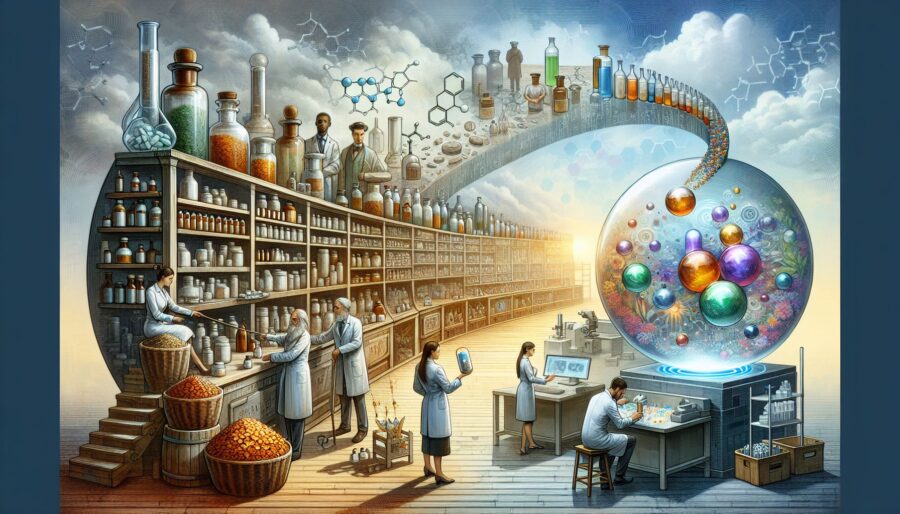
The Pharmaceutical World: Promoting Health and Saving Lives

The pharmaceutical industry plays a crucial role in promoting health and saving lives around the world. From researching and developing new medications to ensuring their safe production and distribution, pharmaceutical companies are at the forefront of healthcare innovation. In this blog post, we will explore the key aspects of the pharmaceutical world and why it is so important in modern society.

The Importance of Research and Development

One of the most critical aspects of the pharmaceutical world is research and development. Scientists and researchers in pharmaceutical companies work tirelessly to discover new medications and treatments for a wide range of health conditions. These efforts can lead to groundbreaking discoveries that have the potential to improve and even save lives. From cancer treatments to vaccines, the pharmaceutical industry is constantly pushing the boundaries of medical science.

Ensuring Safety and Efficacy

Once a new medication has been developed, it must undergo rigorous testing to ensure its safety and efficacy. This process involves clinical trials that assess the drug’s effectiveness and any potential side effects. Regulatory bodies, such as the Food and Drug Administration (FDA) in the United States, play a crucial role in overseeing these trials and approving medications for public use. By ensuring that drugs meet strict safety and quality standards, pharmaceutical companies can be confident that the medications they produce are both effective and safe for patients.

Production and Distribution

Once a medication has been approved, pharmaceutical companies must ensure that it is produced and distributed efficiently. This involves manufacturing the medication in large quantities, packaging it securely, and distributing it to pharmacies and healthcare providers around the world. The pharmaceutical industry relies on sophisticated supply chains and logistics to ensure that medications reach those who need them in a timely manner. By maintaining high standards of production and distribution, pharmaceutical companies can ensure that patients receive the medications they need to stay healthy.

Conclusion

In conclusion, the pharmaceutical world plays a vital role in promoting health and saving lives. From researching and developing new medications to ensuring their safe production and distribution, pharmaceutical companies are at the forefront of healthcare innovation. By investing in research and development, ensuring the safety and efficacy of medications, and maintaining high standards of production and distribution, pharmaceutical companies are able to provide patients with the treatments they need to live healthier lives.Ultimately, the work of the pharmaceutical industry is essential in helping to improve the health and well-being of people around the world.

The Ever-Evolving World of Pharmaceuticals

In today’s fast-paced world, the field of pharmaceuticals is constantly evolving, with new drugs and treatments being developed at an impressive rate. From breakthrough therapies for cancer to cutting-edge drugs for chronic diseases, the pharmaceutical industry plays a vital role in improving the health and well-being of millions of people around the globe.

One of the key driving forces behind the advancements in the pharmaceutical world is ongoing research and development. Pharmaceutical companies invest billions of dollars each year in research to discover new drugs and treatments that can address unmet medical needs. This commitment to innovation has led to the development of game-changing medications that have revolutionized the treatment of various diseases.

Another factor contributing to the dynamic nature of the pharmaceutical world is regulatory approval processes. Before a new drug can be brought to market, it must undergo rigorous testing to ensure its safety and efficacy. Regulatory agencies such as the Food and Drug Administration (FDA) in the United States play a crucial role in evaluating the data from clinical trials and determining whether a drug meets the necessary standards for approval.

In addition to research and regulation, the pharmaceutical industry is also shaped by factors such as market demand, competition, and technological advancements. As healthcare needs continue to evolve and new diseases emerge, pharmaceutical companies must constantly adapt and innovate to stay ahead of the curve. This has led to the development of personalized medicine, which involves tailoring treatments to individual patients based on their genetic makeup and other factors.

Despite the many challenges and complexities that come with navigating the pharmaceutical world, the impact of new drugs and treatments cannot be understated. From vaccines that prevent deadly diseases to medications that improve quality of life for patients with chronic conditions, pharmaceuticals have the power to save lives and transform healthcare.

In conclusion, the pharmaceutical world is a dynamic and ever-evolving industry that plays a crucial role in driving medical progress and improving patient outcomes. Through ongoing research, regulatory oversight, and technological advancements, pharmaceutical companies are able to develop innovative treatments that make a real difference in people’s lives. As we look to the future, it’s clear that the pharmaceutical industry will continue to shape the future of healthcare and usher in a new era of medical innovation.

The Evolving Landscape of the Pharmaceutical World

The pharmaceutical industry plays a crucial role in improving global health by developing and producing medicines that save lives and improve quality of life. Over the years, this industry has evolved significantly, with advancements in technology and research leading to breakthroughs in the treatment of various diseases.

In the past, pharmaceutical companies primarily focused on developing blockbuster drugs that could generate substantial profits. However, there has been a shift in recent years towards personalized medicine, where treatments are tailored to individual patients based on their genetic makeup. This approach has the potential to revolutionize healthcare by providing more effective and targeted treatments.

Furthermore, the rise of biotechnology has opened up new possibilities for the pharmaceutical world. Biotech companies are developing innovative therapies such as gene editing, cell therapy, and personalized cancer vaccines. These advancements have the potential to treat diseases that were once considered untreatable.

Another significant trend in the pharmaceutical industry is the increasing focus on rare diseases. While individually rare, these conditions affect millions of people worldwide. Pharmaceutical companies are investing in research and development to create treatments for these diseases, offering hope to patients who previously had limited options.

Despite these advancements, the pharmaceutical world faces challenges such as rising drug prices, regulatory hurdles, and increasing competition. Companies must navigate these obstacles while continuing to innovate and bring new treatments to market.

In conclusion, the pharmaceutical industry is a dynamic and ever-evolving field that plays a critical role in improving global health. With advancements in technology, research, and personalized medicine, pharmaceutical companies are making significant strides in developing innovative treatments for a wide range of diseases. By embracing these changes and overcoming challenges, the pharmaceutical world will continue to drive progress and improve the lives of patients around the world.

The Changing Landscape of the Pharmaceutical World

The pharmaceutical industry is a constantly evolving field that plays a vital role in healthcare around the world. From producing life-saving medications to developing cutting-edge treatments, pharmaceutical companies are at the forefront of medical research and innovation. However, the pharmaceutical world is not without its challenges.

Introduction

Pharmaceutical companies are responsible for developing, testing, and bringing to market medications that improve the health and well-being of millions of people. This requires a significant investment of time, money, and resources, as well as a commitment to rigorous testing and regulatory compliance. In recent years, the pharmaceutical world has been facing numerous challenges, including increasing competition, rising costs, and regulatory changes.

Body

One of the biggest challenges facing the pharmaceutical industry is the rise of generic medications. As patents on brand-name drugs expire, generic versions become available at a fraction of the cost. This has led to increased competition and decreased profitability for many pharmaceutical companies. In order to stay competitive, companies must constantly innovate and develop new drugs that offer unique benefits to patients.

Another challenge facing the pharmaceutical world is the increasing cost of research and development. Developing a new medication can take years and cost billions of dollars. In addition, regulatory agencies require extensive testing and documentation to ensure the safety and efficacy of new drugs. This has led to rising costs for both pharmaceutical companies and patients, putting pressure on the entire healthcare system.

Furthermore, the pharmaceutical industry is facing increasing scrutiny from regulators and the public. Drug pricing, marketing practices, and the safety of medications have all come under fire in recent years. This has led to tighter regulations, increased transparency, and a greater emphasis on ethical practices within the industry.

Conclusion

Despite these challenges, the pharmaceutical world continues to be a driving force in healthcare innovation. From developing breakthrough treatments for cancer and rare diseases to improving access to essential medications around the world, pharmaceutical companies are making a significant impact on global health. As the industry continues to evolve, it is essential for companies to adapt to new challenges and embrace innovation in order to continue improving the health and well-being of people everywhere.

The Fascinating World of Pharmaceuticals

The pharmaceutical industry plays a crucial role in our society, as it is responsible for the development and manufacturing of life-saving drugs that help improve and save countless lives. From the discovery of new medications to the production and distribution of these drugs, the pharmaceutical world is a complex and fascinating one.

In recent years, technological advancements have revolutionized the way drugs are developed and produced. With the use of cutting-edge research techniques and innovative technologies, pharmaceutical companies are able to create more effective and targeted medications to treat a wide range of diseases and conditions. From cancer treatments to vaccines, the pharmaceutical industry continues to push the boundaries of what is possible in the realm of medicine.

One of the key aspects of the pharmaceutical world is the rigorous process of drug development and testing. Before a new medication can be introduced to the market, it must undergo extensive clinical trials to ensure its safety and efficacy. These trials involve testing the drug on thousands of volunteers to collect data on its effects and potential side effects. Only after these trials have been successfully completed can a drug receive approval from regulatory agencies such as the Food and Drug Administration (FDA).

Once a drug has been approved, pharmaceutical companies must also navigate the complex world of drug manufacturing and distribution. This involves ensuring that the medication is produced in compliance with strict quality control standards and that it reaches the patients who need it in a timely manner. From the production of raw materials to the packaging of the final product, each step of the manufacturing process must be carefully monitored to ensure the drug’s safety and effectiveness.

In conclusion, the pharmaceutical world is a dynamic and ever-evolving industry that plays a vital role in improving public health. Through the development of innovative medications and the implementation of rigorous testing and manufacturing processes, pharmaceutical companies are able to provide patients with life-saving treatments for a wide range of illnesses. As technology continues to advance, the pharmaceutical industry will undoubtedly continue to push the boundaries of what is possible in the field of medicine, leading to new and exciting advancements in healthcare for generations to come.

The Dynamic World of Pharmaceuticals

The pharmaceutical industry is a complex and ever-evolving landscape that plays a critical role in the healthcare and well-being of individuals around the world. From the development of life-saving medications to the marketing and distribution of these products, pharmaceutical companies are at the forefront of innovation and research. In this article, we will explore the dynamic world of Pharmaceuticals and delve into the challenges and opportunities that it presents.

Introduction

Pharmaceutical companies are responsible for researching, developing, and manufacturing medications that help treat and prevent a wide range of illnesses and conditions. From antibiotics to cancer treatments, these companies are constantly seeking new ways to improve the health and quality of life for patients. The process of bringing a new drug to market is long and complex, involving rigorous clinical trials, regulatory approvals, and marketing strategies.

The Challenges

One of the biggest challenges facing the pharmaceutical industry is the rising cost of drug development. With the average cost of bringing a new drug to market exceeding $2 billion, companies are under pressure to recoup their investments while still making medications affordable for patients. Additionally, the industry is facing increasing scrutiny from regulators and lawmakers, who are seeking to ensure that medications are safe, effective, and affordable.

The Opportunities

Despite these challenges, the pharmaceutical industry also presents a range of opportunities for growth and innovation. Advances in technology and research are leading to the development of personalized medicine, which tailors treatments to individual patients based on their genetics and lifestyle. Companies are also exploring new ways to deliver medications, such as through wearable devices and digital platforms, to improve patient adherence and outcomes.

Conclusion

In conclusion, the pharmaceutical world is a dynamic and vital industry that plays a crucial role in the healthcare system. While the industry faces challenges such as rising costs and regulatory scrutiny, there are also opportunities for growth and innovation. By continuing to invest in research and development, and by collaborating with healthcare providers and regulators, pharmaceutical companies can continue to bring life-saving treatments to patients around the world.

The Evolution of the Pharmaceutical World

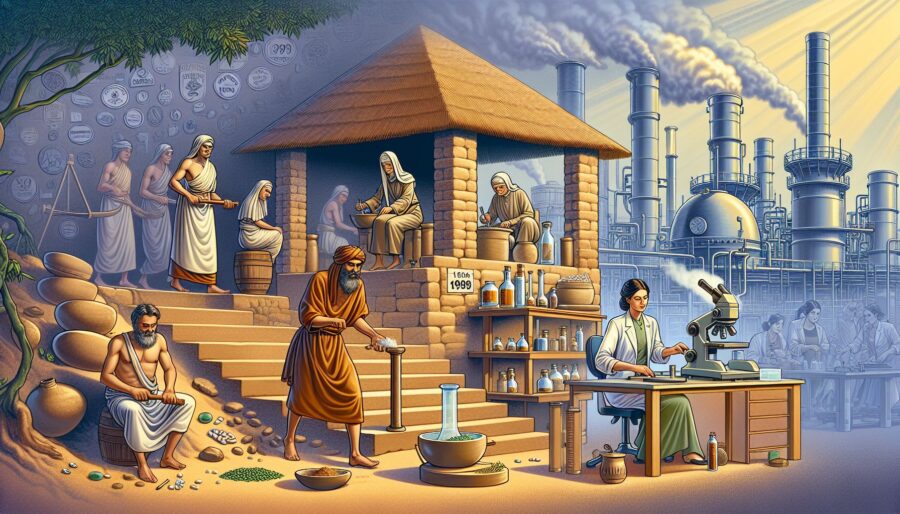
The pharmaceutical industry has undergone significant changes over the years, evolving from simple apothecaries selling herbal remedies to complex research and development processes creating life-saving medications. This transformation has revolutionized healthcare and improved the quality of life for millions of people around the world.

In the early days of pharmaceuticals, treatments were based on natural remedies and folk medicine. Pharmacists would mix ingredients like herbs, roots, and animal parts to create medicines to alleviate symptoms. While these treatments were often effective, they lacked standardization and scientific evidence of their efficacy.

The turning point for the pharmaceutical industry came with the advent of modern medicine and the discovery of antibiotics in the early 20th century. Researchers like Alexander Fleming revolutionized medicine with the discovery of penicillin, leading to the development of numerous other life-saving drugs.

Today, the pharmaceutical industry is a multi-billion-dollar global enterprise that combines cutting-edge science with rigorous testing and regulation. Drug development is a complex process that involves pre-clinical research, clinical trials, regulatory approval, and manufacturing. The goal is to create safe and effective treatments for a wide range of diseases and conditions.

Despite these advancements, the pharmaceutical industry faces challenges like drug pricing, access to medicine, and regulatory hurdles. The cost of developing new drugs is high, leading to high prices that can limit access for some patients. Additionally, regulatory agencies like the FDA play a crucial role in ensuring the safety and efficacy of medications, but the approval process can be lengthy and costly.

Looking to the future, the pharmaceutical world is poised for further innovation and advancements. Technologies like artificial intelligence, precision medicine, and gene editing hold promise for personalized treatments and targeted therapies. The industry is also focusing on rare diseases, oncology, and global health challenges to address unmet medical needs.

In conclusion, the pharmaceutical world has come a long way from its humble beginnings as an apothecary shop. Through innovation, research, and collaboration, the industry has revolutionized healthcare and transformed the way we treat diseases. As we continue to push the boundaries of science and technology, the future of medicine looks brighter than ever.

The Evolution of the Pharmaceutical World

The pharmaceutical industry has come a long way since its origins in ancient civilizations, where remedies were often derived from plants and other natural sources. Today, pharmaceutical companies play a critical role in developing and providing cutting-edge medications to treat a wide range of health conditions.

In the modern era, pharmaceutical companies invest heavily in research and development to create innovative treatments for diseases such as cancer, diabetes, and heart disease. These companies employ a team of scientists, researchers, and clinicians who work tirelessly to discover new drugs and bring them to market.

One of the biggest challenges facing the pharmaceutical industry is the lengthy and expensive process of drug development. From initial research and testing to clinical trials and regulatory approval, bringing a new medication to market can take years and cost billions of dollars. Despite these challenges, pharmaceutical companies continue to invest in drug development in the hopes of improving patient outcomes and advancing medical science.

In recent years, the pharmaceutical industry has also faced scrutiny over issues such as drug pricing and access to medications. Some drugs, particularly those for rare diseases or specialized conditions, can come with hefty price tags that may be out of reach for many patients. This has sparked debates about the ethics of drug pricing and the need for greater transparency in the pharmaceutical industry.

Despite these challenges, the pharmaceutical world continues to evolve and innovate. Advances in technology, such as artificial intelligence and precision medicine, are revolutionizing drug discovery and development. Companies are also exploring new approaches to drug delivery, such as personalized medicine and gene therapy, which have the potential to transform how we treat diseases.

As the pharmaceutical industry continues to push the boundaries of science and medicine, it is important for stakeholders to work together to address challenges and ensure that patients have access to safe, effective, and affordable medications. By collaborating with regulators, healthcare providers, and patient advocacy groups, pharmaceutical companies can play a key role in shaping the future of healthcare and improving patient outcomes.

In conclusion, the pharmaceutical world is a dynamic and ever-evolving industry that plays a crucial role in advancing medical science and improving patient care. Despite challenges such as drug pricing and access, companies continue to invest in research and development to bring life-saving medications to market. By embracing innovation and collaboration, the pharmaceutical industry can continue to drive progress and make a lasting impact on human health.

Exploring the Intricate World of Pharmaceuticals

The pharmaceutical industry plays a crucial role in modern society, providing us with essential medications to treat various ailments and improve overall health. This industry encompasses a wide range of activities, from researching and developing new drugs to manufacturing and distributing them to patients. Let’s delve into the intricate world of pharmaceuticals and gain a better understanding of how it operates.

Introduction to the Pharmaceutical Industry

The pharmaceutical industry is a highly regulated sector that focuses on the discovery, development, and marketing of drugs for medical use. Companies in this industry invest significant resources in researching new medications, conducting clinical trials to test their efficacy and safety, and obtaining regulatory approval for their products.

Key Players in the Pharmaceutical World

Pharmaceutical companies range from large multinational corporations to small biotech firms, each specializing in different areas of drug development. These companies collaborate with academic institutions, research organizations, and government agencies to advance scientific knowledge and bring innovative treatments to market.

Challenges and Opportunities

The pharmaceutical industry faces numerous challenges, including stringent regulatory requirements, high costs of drug development, and intellectual property issues. However, it also presents significant opportunities for growth and innovation, particularly in emerging markets and the development of personalized medicine.

Ethical Considerations

Ethical considerations are crucial in the pharmaceutical industry, as companies must balance the need for profit with the responsibility to ensure patient safety and well-being. Issues such as pricing of medications, clinical trial transparency, and access to essential drugs in developing countries are hotly debated topics that impact the industry’s reputation and public trust.

Future Trends in Pharmaceuticals

The future of the pharmaceutical industry is marked by exciting advancements in areas such as precision medicine, gene therapy, and artificial intelligence. These innovations have the potential to revolutionize drug development and healthcare delivery, offering new hope for patients with challenging medical conditions.

Conclusion

The pharmaceutical industry is a dynamic and complex sector that plays a vital role in improving global health outcomes. By understanding its inner workings, key players, challenges, and opportunities, we can appreciate the immense impact of pharmaceuticals on our lives and society as a whole. As we look towards the future, it is essential for all stakeholders to work together to drive innovation, ensure ethical standards, and promote access to safe and effective medications for all.

Page 1 of 4

Powered by WordPress & Theme by Anders Norén