
Category: Main Page 1 of 35

The Best UK Agencies for Influencer Partnerships

Why Influencer Partnerships Matter

In the digital age, influencer marketing has skyrocketed, transforming how brands connect with their audiences. With the power to reach specific demographics through trusted voices, influencer partnerships have become a cornerstone of modern marketing strategies. Brands are shifting their focus toward genuine engagements and unique storytelling, and influencers provide the ideal platform for this. Thus, finding the best agencies for influencer partnerships in the UK can literally redefine how businesses engage with their clientele, ensuring they tap into the right audiences with authenticity and impact.

Top Criteria for Choosing an Influencer Agency

When selecting an influencer agency, consider several key factors that can influence the success of your campaigns:

  • Expertise and Experience: Look for agencies with proven track records and a deep understanding of the influencer landscape.
  • Network and Relationships: Agencies with established relationships with diverse influencers provide a wider range of options for collaborations.
  • Creativity and Strategy: Innovative and data-driven strategies tailored to your brand’s vision are crucial for standing out.
  • Transparency and Communication: Clear communication and transparency in operations ensure seamless collaborations and trust.

Leading UK Agencies Revolutionizing Influencer Marketing

1. Socially Powerful

Socially Powerful is known for its dynamic approach to influencer marketing. With a global network of influencers, they focus on delivering high-impact campaigns that prioritize engagement over vanity metrics. They collaborate closely with brands to craft storytelling that resonates with audiences.

2. Goat Agency

The Goat Agency stands out for its data-driven approach and strong international presence. They leverage proprietary technology to match brands with influencers perfectly aligned to their ethos and target demographics. Their campaigns are backed by actionable insights, ensuring effectiveness.

3. Encanta Talent

Encanta Talent combines creativity with precision. They specialize in fashion and lifestyle sectors, offering tailor-made solutions that emphasize authenticity. Their influencer partnerships are crafted to create genuine connections between brands and their audiences, leading to trust and long-term loyalty.

How Agencies Drive Campaign Success

Successful influencer campaigns are underpinned by meticulous planning and execution. Agencies drive campaign success through:

  1. Thorough Market Research: Understanding target audiences and trends to ensure relevant partnerships.
  2. Customized Campaign Design: Creating bespoke strategies that align with brand goals and values.
  3. Seamless Execution: Coordinating logistics and communication to ensure a smooth partnership process.
  4. Performance Analysis: Using data to refine future strategies and maximize ROI.

Looking Ahead

The future of influencer marketing in the UK is an exciting landscape brimming with potential. As brands increasingly prioritize authenticity and engagement, the role of influencers will continue to evolve, becoming even more integral to marketing ecosystems. By partnering with the right agency, brands can harness this power, ensuring they remain at the forefront of digital innovation and consumer connection.

Exploring the Dynamic World of Pharmaceuticals

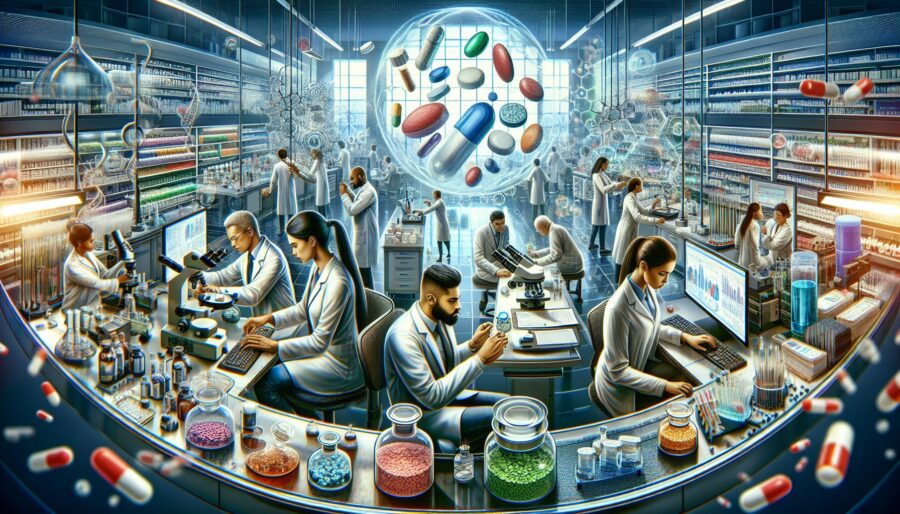
The pharmaceutical industry plays a crucial role in our society by providing life-saving medications and treatments for a variety of ailments and diseases. From research and development to distribution and marketing, the pharmaceutical world is a complex and ever-evolving landscape.

In recent years, there have been significant advancements in the field of pharmaceuticals, with new drugs and treatments constantly being developed and approved for use. This has led to improved outcomes for patients and a higher quality of life for many individuals who previously had limited treatment options.

One of the key challenges facing the pharmaceutical industry is the rising cost of drug development and the increasing competition in the market. Companies are constantly under pressure to innovate and keep up with the latest advancements in technology and research in order to stay competitive and continue to provide effective treatments for patients.

Another important aspect of the pharmaceutical world is regulatory compliance. The industry is heavily regulated by government agencies to ensure that drugs are safe and effective for use. Companies must adhere to strict guidelines and protocols in order to bring new drugs to market and maintain compliance with regulatory bodies.

Despite the challenges and complexities of the pharmaceutical world, there are many exciting opportunities for growth and innovation. With the rise of personalized medicine and precision therapies, the industry is moving towards a more targeted and individualized approach to treatment, which has the potential to revolutionize healthcare.

In conclusion, the pharmaceutical world is a dynamic and fast-paced industry that plays a crucial role in improving the health and well-being of people around the world. With advancements in technology and research, there are endless possibilities for innovation and growth in the field of pharmaceuticals. By staying informed and engaged with the latest developments, we can all contribute to the continuous improvement of healthcare and the development of new and effective treatments for a wide range of diseases and conditions.

The World of Pharmaceuticals: Advancements and Challenges

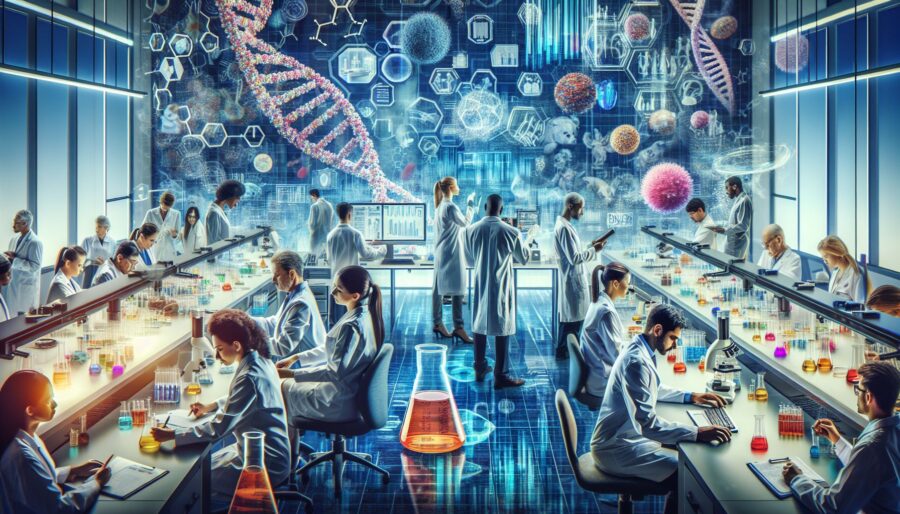
The pharmaceutical industry plays a crucial role in the healthcare sector, as it is responsible for the discovery, development, production, and distribution of drugs and medications. This dynamic field is constantly evolving, with new advancements and challenges emerging on a regular basis.

In recent years, the pharmaceutical world has seen significant advancements in areas such as personalized medicine, biotechnology, and precision medicine. These developments have revolutionized the way diseases are diagnosed and treated, leading to improved patient outcomes and a better quality of life for millions of people worldwide.

One of the most exciting trends in the pharmaceutical industry is the rise of personalized medicine. This approach involves tailoring medical treatment to the individual characteristics of each patient, taking into account factors such as genetic makeup, lifestyle, and environment. By incorporating personalized medicine into drug development and healthcare practices, pharmaceutical companies are able to provide more targeted and effective treatments, resulting in better outcomes for patients.

Biotechnology is another area of rapid growth in the pharmaceutical world. This field involves the use of biological processes, organisms, or systems to produce pharmaceutical products. Biotechnology has led to the development of innovative therapies, such as gene and cell therapies, that have the potential to revolutionize the treatment of a wide range of diseases, including cancer, genetic disorders, and autoimmune conditions.

Precision medicine is also making waves in the pharmaceutical industry, with its focus on identifying the most effective treatment for each patient based on their unique genetic makeup, lifestyle, and other factors. By using advanced diagnostic tools and technologies, pharmaceutical companies are able to develop targeted therapies that are tailored to the specific needs of individual patients, resulting in better outcomes and fewer side effects.

While these advancements have the potential to transform the way diseases are treated and managed, the pharmaceutical world also faces a number of challenges. These include issues such as rising healthcare costs, regulatory hurdles, and ethical concerns surrounding the use of new technologies and treatments. Additionally, the industry must navigate complex global supply chains, intellectual property rights, and competition from generic drug manufacturers.

In conclusion, the pharmaceutical world is a fast-paced, dynamic industry that is constantly evolving to meet the healthcare needs of a rapidly changing world. With advancements in personalized medicine, biotechnology, and precision medicine, pharmaceutical companies are making great strides in improving patient outcomes and revolutionizing the treatment of diseases. However, the industry also faces challenges that must be addressed in order to continue to innovate and provide safe and effective treatments for patients around the globe.

The Ever-Evolving Pharmaceutical World

The pharmaceutical industry plays a crucial role in our society by developing and providing life-saving medications and treatments. With constant advancements in technology, research, and medical understanding, the pharmaceutical world is ever-evolving to meet the needs of patients and healthcare providers around the globe.

In recent years, there have been significant breakthroughs in drug development, including the creation of innovative therapies for diseases such as cancer, autoimmune disorders, and rare genetic conditions. This progress has been made possible through collaboration between pharmaceutical companies, academic institutions, and regulatory agencies, as well as the dedication of scientists and healthcare professionals working tirelessly to improve patient outcomes.

One of the key challenges facing the pharmaceutical industry is the rising costs of drug development and production. From research and clinical trials to manufacturing and distribution, bringing a new medication to market can be a lengthy and expensive process. Companies must balance the need to recoup their investments with the importance of making treatments affordable and accessible to those in need.

Another area of focus for the pharmaceutical world is the growing demand for personalized medicine. By tailoring treatments to individual patients based on their genetic makeup, lifestyle factors, and specific health conditions, healthcare providers can achieve better outcomes and minimize potential side effects. This approach requires a deep understanding of genetics, bioinformatics, and data analytics, as well as collaboration between different disciplines within the healthcare industry.

As the pharmaceutical world continues to evolve, so too do the regulations and guidelines that govern the development and distribution of medications. Regulatory bodies such as the Food and Drug Administration (FDA) in the United States and the European Medicines Agency (EMA) in Europe play a vital role in ensuring the safety, efficacy, and quality of pharmaceutical products. Companies must adhere to strict standards and protocols to obtain regulatory approval for their drugs, which can be a lengthy and complex process.

In conclusion, the pharmaceutical world is a dynamic and constantly evolving industry that plays a critical role in improving the health and well-being of individuals around the world. Through collaboration, innovation, and a commitment to patient care, pharmaceutical companies continue to push the boundaries of science and medicine to develop cutting-edge therapies that address the most challenging health conditions. As we look to the future, it is essential that we continue to support and invest in the pharmaceutical industry to ensure that patients receive the best possible care and access to life-saving medications.

The Ever-Evolving Pharmaceutical World

The pharmaceutical industry is constantly changing and evolving as new technologies, treatments, and regulations come into play. With the global population increasing and life expectancy on the rise, the demand for innovative and effective drugs will only continue to grow.

In the past, pharmaceutical companies focused primarily on developing blockbuster drugs that generated significant profits. However, in recent years, we have seen a shift towards personalized medicine and targeted therapies that are tailored to individual patients. This shift has been driven by advancements in genetics and molecular biology, allowing for more precise and effective treatments.

One of the biggest challenges facing the pharmaceutical world today is the rising cost of healthcare and prescription drugs. Patients are demanding more affordable options, and governments are implementing regulations to control costs. This has led to increased competition among pharmaceutical companies and a greater focus on cost-effective solutions.

The pharmaceutical world is also facing scrutiny over issues such as drug pricing, transparency, and access to medicine. With the rise of social media and the internet, consumers are more informed than ever before and are demanding greater accountability from pharmaceutical companies.

Despite these challenges, the pharmaceutical industry continues to make significant advancements in areas such as oncology, immunology, and rare diseases. Breakthroughs in gene therapy, immunotherapy, and artificial intelligence are revolutionizing the way we approach healthcare and disease treatment.

Looking ahead, the future of the pharmaceutical world is bright with exciting opportunities for growth and innovation. As technology continues to advance and our understanding of the human body deepens, we can expect to see even more groundbreaking treatments and cures emerge.

In conclusion, the pharmaceutical world is a dynamic and ever-evolving industry that plays a crucial role in improving global health and well-being. While there are challenges and controversies that need to be addressed, the potential for innovation and discovery is limitless. By working together, pharmaceutical companies, healthcare providers, and policymakers can ensure that patients around the world have access to safe, effective, and affordable medicines.

The Ever-Evolving World of Pharmaceuticals

The pharmaceutical industry plays a crucial role in the well-being of individuals worldwide. From developing life-saving drugs to improving the quality of life for countless people, pharmaceutical companies are constantly pushing the boundaries of science and technology.

In today’s fast-paced world, the pharmaceutical industry is constantly evolving. New drugs are being developed at a rapid pace, and companies are investing heavily in research and development to bring innovative treatments to market. With advancements in technology and scientific knowledge, the possibilities for new drugs and treatments seem endless.

One of the key challenges facing the pharmaceutical industry is the ever-changing regulatory environment. As governments around the world tighten regulations to ensure the safety and efficacy of drugs, companies must navigate complex approval processes and meet stringent requirements. This can be a time-consuming and costly process, but it is essential to maintain high standards in the industry.

Another challenge facing pharmaceutical companies is the need to stay ahead of the competition. With so many companies vying for a piece of the market, it is essential to constantly innovate and bring new products to market. Companies must also invest in marketing and distribution to ensure their products reach the right people.

Despite these challenges, the pharmaceutical industry continues to thrive. Advances in genetic research and personalized medicine have opened up new opportunities for companies to develop targeted treatments for a range of diseases. The rise of digital health technologies has also transformed the way companies interact with patients and healthcare professionals, making it easier to track outcomes and improve the delivery of care.

In conclusion, the pharmaceutical industry is a dynamic and exciting field that is constantly evolving. Companies must navigate a complex regulatory environment, stay ahead of the competition, and embrace new technologies to succeed. With a commitment to innovation and a focus on improving patient outcomes, the pharmaceutical industry will continue to make significant contributions to global health and well-being.

Exploring the Evolution of the Pharmaceutical World

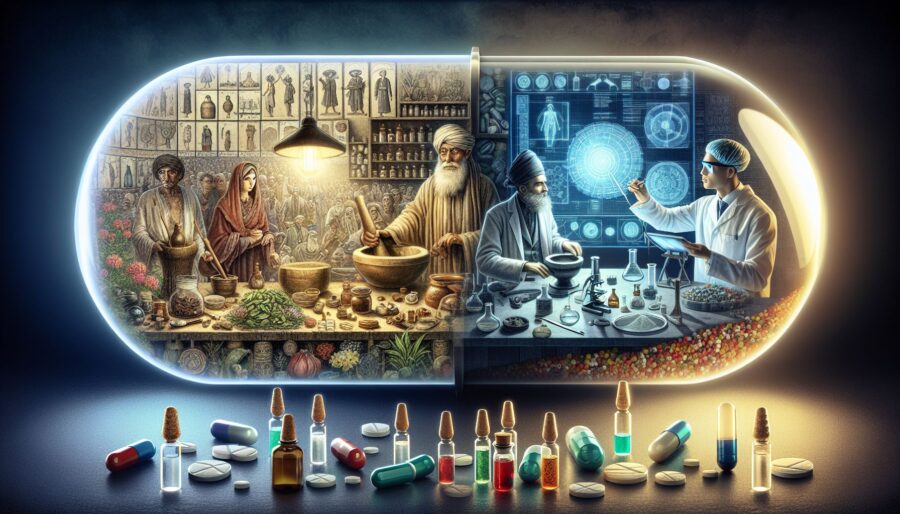
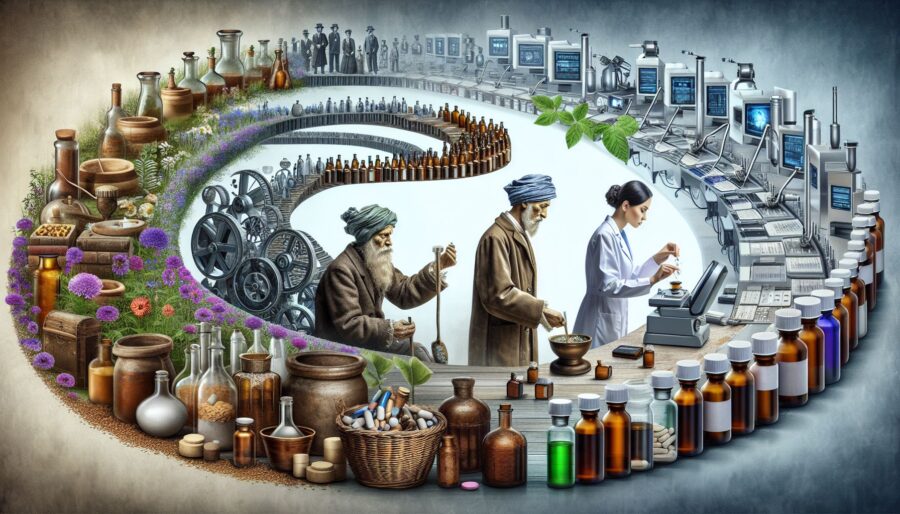
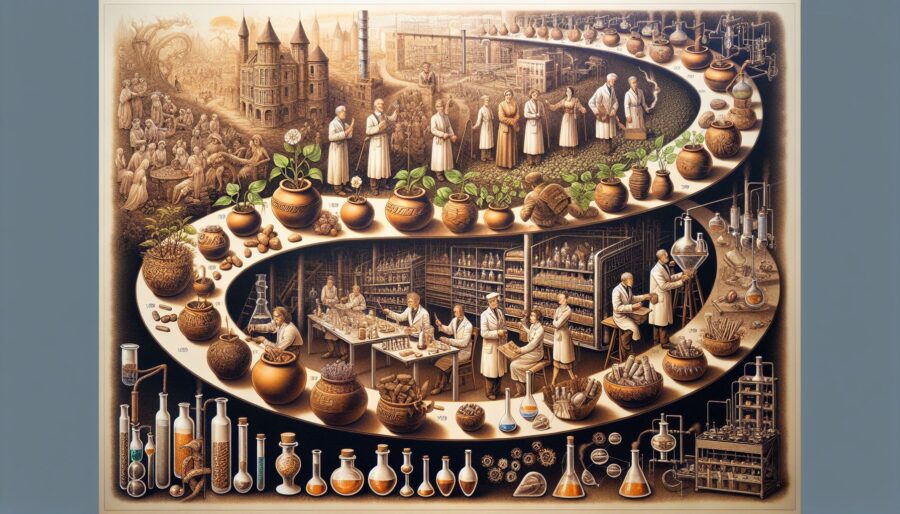
The pharmaceutical industry is constantly evolving, with new medicines and treatments being developed every day. From ancient civilizations using natural remedies to modern-day drug discoveries, the pharmaceutical world has come a long way in advancing healthcare and saving lives.

Introduction

The history of pharmaceuticals dates back thousands of years, with the earliest recorded use of medicinal plants by the ancient Sumerians in Mesopotamia. Over time, various cultures and civilizations experimented with different substances to treat diseases and ailments. Fast forward to the 19th and 20th centuries, where significant advancements in science and technology have paved the way for the creation of synthetic drugs and vaccines.

Body

Today, the pharmaceutical industry is a multi-billion-dollar business, with companies constantly researching and developing new treatments for a wide range of illnesses. From common cold remedies to complex cancer therapies, pharmaceutical companies are at the forefront of medical innovation. The process of bringing a new drug to market is lengthy and complex, involving rigorous testing and regulatory approvals. However, the end result is often a life-changing treatment that can improve the quality of life for millions of patients around the world.

One of the key challenges facing the pharmaceutical industry is ensuring that medicines are safe and effective for patients. This involves conducting extensive clinical trials to test the potential benefits and risks of a new drug before it is approved for use. Regulatory agencies such as the Food and Drug Administration (FDA) play a crucial role in monitoring the safety and efficacy of pharmaceutical products and ensuring that they meet strict quality standards.

In recent years, the pharmaceutical world has also seen a rise in the use of biotechnology and gene therapy to develop cutting-edge treatments for genetic disorders and rare diseases. These innovative approaches have the potential to revolutionize healthcare and provide new hope for patients with previously untreatable conditions.

Conclusion

The pharmaceutical world is a dynamic and ever-changing field that plays a vital role in improving global health. From ancient herbal remedies to modern biotech breakthroughs, the evolution of pharmaceuticals has been driven by a relentless pursuit of innovation and discovery. As we continue to push the boundaries of medical science, the future of healthcare looks brighter than ever.

The Complex World of Pharmaceuticals

The pharmaceutical industry is an essential component of the healthcare system, responsible for developing and producing drugs and medications that help improve the health and well-being of patients worldwide. This industry plays a crucial role in advancing medical research, providing necessary treatments for a variety of ailments, and ultimately, saving lives.

The Development Process

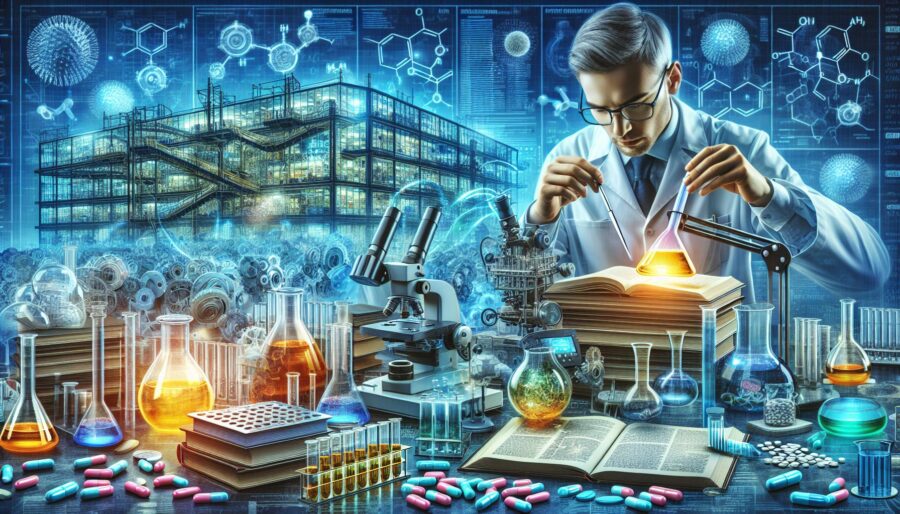
The process of developing a new pharmaceutical drug is a complex and rigorous one. It typically begins with extensive research and testing in laboratories to identify potential compounds that could be effective in treating a specific condition. Once a promising compound is identified, it must undergo clinical trials to determine its safety and efficacy in humans. These trials are carefully monitored and regulated by governmental agencies to ensure that the drug meets strict standards before it can be approved for use by the general public.

The Role of Pharmaceutical Companies

Pharmaceutical companies are at the forefront of the industry, investing significant resources in research and development to discover new drugs and treatments. These companies employ scientists, researchers, and medical professionals who work tirelessly to advance medical knowledge and develop innovative therapies. Additionally, pharmaceutical companies are responsible for manufacturing and distributing medications to pharmacies, hospitals, and healthcare providers around the world.

Challenges and Controversies

Despite the many benefits of the pharmaceutical industry, it also faces its fair share of challenges and controversies. High drug prices, concerns about the safety and efficacy of certain medications, and the influence of pharmaceutical companies on medical practice are just a few of the issues that have garnered public attention in recent years. Additionally, the process of bringing a new drug to market can be time-consuming and expensive, leading to delays in access to potentially life-saving treatments.

Conclusion

The pharmaceutical world is a fascinating and complex industry that plays a critical role in improving the health and well-being of people around the world. From the development of new drugs to the distribution of medications to patients, pharmaceutical companies are at the forefront of medical innovation. While the industry faces challenges and controversies, its impact on healthcare cannot be overstated. As we continue to make advancements in medical research and technology, the pharmaceutical industry will undoubtedly remain a vital part of the global healthcare landscape.

Exploring the World of Pharmaceuticals

The pharmaceutical industry plays a crucial role in our society, providing medications to treat a wide range of illnesses and improve the quality of life for countless individuals. From research and development to production and distribution, pharmaceutical companies are at the forefront of innovation and healthcare.

In recent years, the pharmaceutical world has seen significant advancements in technology and research, leading to the development of new drugs and treatments for various diseases. These advancements have not only improved patient outcomes but have also paved the way for personalized medicine, where treatments can be tailored to individual patients based on their genetic makeup and other factors.

One of the key challenges facing the pharmaceutical industry is the rising cost of drug development and regulation. Bringing a new drug to market can take years and cost billions of dollars, making it essential for companies to carefully manage their resources and investments. Additionally, increasing regulatory requirements and scrutiny from government agencies can add to the time and cost of bringing a new drug to market.

Despite these challenges, the pharmaceutical industry continues to thrive, with companies investing in research and development to bring new and improved drugs to market. The industry is also adapting to changes in healthcare delivery, such as the rise of telemedicine and digital health, which are revolutionizing the way patients access and receive care.

Another trend in the pharmaceutical world is the increasing focus on sustainability and environmental responsibility. Companies are taking steps to reduce their carbon footprint and minimize waste in their operations, demonstrating their commitment to corporate social responsibility.

Overall, the pharmaceutical world is a dynamic and exciting industry that is constantly evolving to meet the changing needs of patients and healthcare providers. As we look to the future, it is clear that the industry will continue to innovate and drive advancements in healthcare, improving the lives of millions of people around the world.

In conclusion, the pharmaceutical world is a vital part of our healthcare system, providing essential medications and treatments to patients in need. With ongoing research and development, as well as a commitment to sustainability and innovation, the industry is well-positioned to continue making significant contributions to healthcare in the years to come.

The Dynamic World of Pharmaceuticals

The pharmaceutical industry is a dynamic and constantly evolving sector that plays a crucial role in healthcare around the world. From research and development of new drugs to ensuring their safety and effectiveness, pharmaceutical companies are at the forefront of medical innovation.

Introduction

Pharmaceutical companies are responsible for developing, testing, and manufacturing a wide range of drugs and medications that are used to treat various medical conditions. This industry is highly regulated to ensure the safety and efficacy of these products, with strict guidelines and protocols that must be followed throughout the drug development process.

Body

One of the key aspects of the pharmaceutical industry is research and development. This involves identifying potential drug candidates, conducting preclinical studies to evaluate their safety and effectiveness, and then moving on to clinical trials to test the drug in humans. These trials are carefully designed to gather data on the drug’s efficacy, safety, and potential side effects before it can be approved for use by regulatory authorities.

Once a drug has been approved, pharmaceutical companies are responsible for manufacturing and distributing it to healthcare providers and patients. This requires state-of-the-art facilities and equipment to ensure that the drugs are produced to the highest quality standards. Quality control is a critical aspect of pharmaceutical manufacturing, with rigorous testing and monitoring procedures in place to ensure that each batch of product meets the required specifications.

Another important aspect of the pharmaceutical industry is pharmacovigilance, which involves monitoring the safety of drugs once they are on the market. This includes collecting and analyzing data on adverse reactions and side effects reported by patients, healthcare providers, and regulatory agencies. If any safety concerns are identified, pharmaceutical companies are required to take appropriate action, which may include updating the product labeling, issuing safety alerts, or even withdrawing the drug from the market.

Conclusion

In conclusion, the pharmaceutical industry is a complex and highly regulated sector that plays a critical role in healthcare. From research and development to manufacturing and distribution, pharmaceutical companies are constantly striving to develop new and innovative drugs that can improve patient outcomes and quality of life. By adhering to strict regulatory standards and maintaining the highest quality standards, pharmaceutical companies are able to ensure the safety and efficacy of the products they bring to market. As the industry continues to evolve and advance, it will be exciting to see what new breakthroughs and innovations are on the horizon.

Page 1 of 35

Powered by WordPress & Theme by Anders Norén