Month: August 2024 Page 3 of 4

Exploring the World of Pharmaceuticals

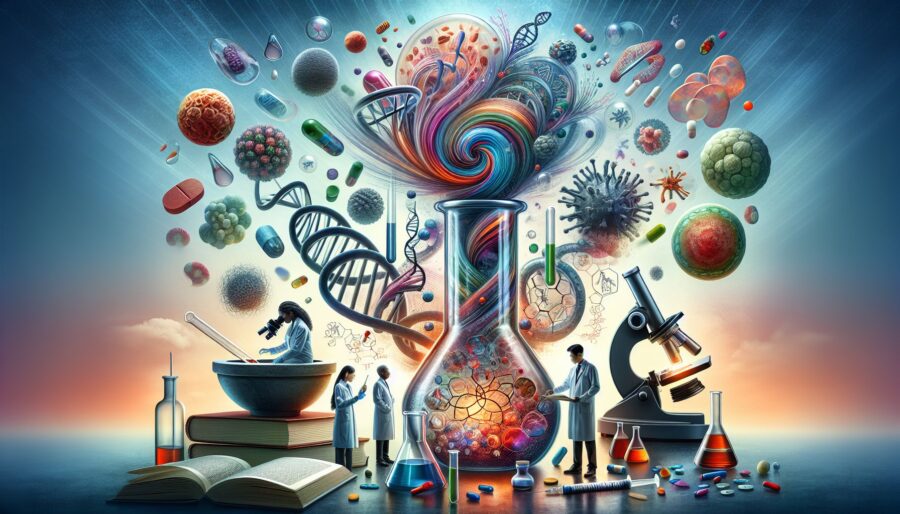
The pharmaceutical industry is a complex world filled with innovation, research, and regulations. This sector plays a crucial role in improving healthcare by developing and manufacturing medications to treat various diseases and conditions. While pharmaceutical companies strive to bring life-saving drugs to market, they also face challenges and controversies. Let’s dive deeper into the world of pharmaceuticals.

The Importance of Pharmaceuticals

Pharmaceuticals are essential for treating illnesses, managing chronic conditions, and improving overall health. From antibiotics and painkillers to vaccines and oncology drugs, pharmaceuticals have revolutionized medicine and saved countless lives. Pharmacists and healthcare providers rely on medications to help patients recover from illnesses and live healthier lives.

Research and Development

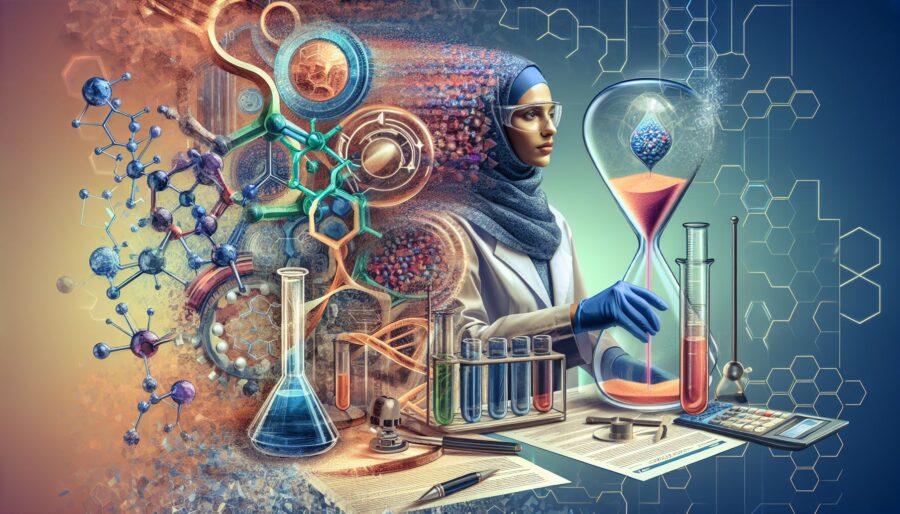
Behind every new drug on the market is years of research and development. Pharmaceutical companies invest heavily in researching new medications, conducting clinical trials, and navigating the regulatory approval process. Developing a new drug is a lengthy and costly process that requires collaboration between scientists, medical professionals, and regulatory authorities.

Regulations and Compliance

The pharmaceutical industry is heavily regulated to ensure the safety and efficacy of medications. Pharmaceutical companies must adhere to strict guidelines set by regulatory agencies such as the Food and Drug Administration (FDA) in the United States. These regulations govern everything from drug testing and manufacturing to marketing and distribution.

Controversies and Challenges

Despite the many benefits of pharmaceuticals, the industry is not without controversies and challenges. From high drug prices and limited access to medications to concerns about drug safety and efficacy, pharmaceutical companies face scrutiny from patients, lawmakers, and advocacy groups. The opioid crisis, for example, has highlighted the dangers of prescription painkillers and the need for better regulations.

The Future of Pharmaceuticals

As technology advances and medical knowledge grows, the future of the pharmaceutical industry holds promise for continued innovation and advancements in healthcare. From personalized medicine and gene therapy to biologics and digital health, pharmaceutical companies are at the forefront of groundbreaking discoveries that have the potential to revolutionize medicine.

In conclusion, the pharmaceutical world is a complex and dynamic industry that plays a vital role in healthcare. While pharmaceutical companies face challenges and controversies, their contributions to improving health and saving lives cannot be overstated. As we look to the future, it is clear that the pharmaceutical industry will continue to innovate and drive advancements in medicine for years to come.
The Evolving World of Pharmaceuticals

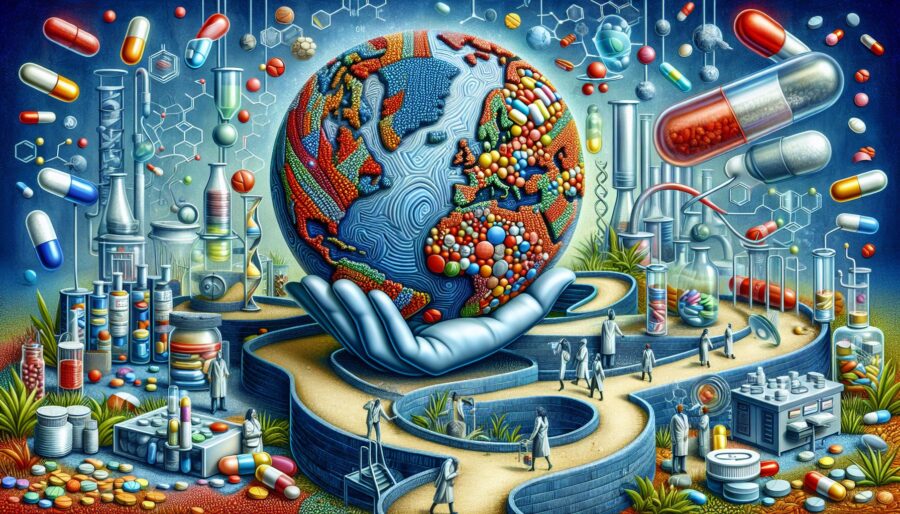
The pharmaceutical industry plays a crucial role in society by developing and producing medications to improve the health and well-being of individuals worldwide. From antibiotics to vaccines to treatments for chronic diseases, pharmaceutical companies are constantly working to innovate and create new products that can save lives and improve quality of life.

In recent years, the pharmaceutical industry has seen significant advancements in technology and research, leading to the development of groundbreaking medications and treatments. The use of artificial intelligence and machine learning has revolutionized drug discovery and development, allowing researchers to identify new drug targets more quickly and efficiently. Additionally, the rise of personalized medicine has enabled healthcare providers to tailor treatments to individual patients based on their unique genetic makeup and other factors.

One of the key challenges facing the pharmaceutical industry today is ensuring access to medications for all individuals, regardless of their socioeconomic status. The rising cost of prescription drugs has become a major concern, with many patients struggling to afford the medications they need to manage their health conditions. Pharmaceutical companies are working to address this issue by offering patient assistance programs, negotiating with insurance companies, and developing generic versions of popular medications to make them more affordable.

Another important factor shaping the pharmaceutical world is the increasing emphasis on sustainability and environmental impact. The production and disposal of pharmaceuticals can have negative effects on the environment, such as the contamination of water sources with antibiotic residues. Pharmaceutical companies are increasingly focusing on sustainability initiatives, such as reducing waste, using renewable energy sources, and developing eco-friendly packaging materials.

In conclusion, the pharmaceutical industry is a dynamic and rapidly evolving field that plays a critical role in improving health outcomes for individuals around the world. With advances in technology, research, and sustainability practices, pharmaceutical companies continue to innovate and develop new medications and treatments that have the potential to transform healthcare. However, it is important for the industry to remain mindful of the challenges of accessibility and environmental impact in order to ensure a more equitable and sustainable future for all.

Overall, the pharmaceutical world is a complex and multifaceted industry that is constantly adapting and evolving to meet the needs of patients and healthcare providers. By staying ahead of emerging trends and challenges, pharmaceutical companies can continue to make a positive impact on global health and well-being.

The Ever-Evolving World of Pharmaceuticals

The pharmaceutical industry is constantly evolving and adapting to meet the ever-changing needs of society. From the discovery of new drugs to the development of cutting-edge treatments, the world of pharmaceuticals is an exciting and dynamic field.

One of the key drivers of innovation in the pharmaceutical world is research and development. Pharmaceutical companies invest heavily in R&D to discover new drugs and treatments that can improve the health and well-being of patients. This research can take years or even decades to come to fruition, but the potential benefits are immense.

In recent years, there has been a shift towards personalized medicine in the pharmaceutical world. This approach involves tailoring treatments to the individual characteristics of each patient, such as their genetics, lifestyle, and environment. This personalized approach has the potential to revolutionize the way we treat diseases, leading to better outcomes for patients.

Another trend in the pharmaceutical world is the rise of biopharmaceuticals. These are drugs that are derived from living organisms, such as proteins, antibodies, and nucleic acids. Biopharmaceuticals have the potential to treat diseases in ways that traditional small-molecule drugs cannot, leading to more effective and targeted treatments.

In addition to developing new drugs, pharmaceutical companies also play a crucial role in ensuring the safety and efficacy of existing treatments. They work closely with regulatory agencies to conduct clinical trials and monitor the long-term effects of drugs on patients. This rigorous process helps to protect the public from potential harm and ensures that drugs are used safely and effectively.

As the pharmaceutical world continues to evolve, challenges and opportunities will undoubtedly arise. From the rise of digital health technology to the increasing demand for affordable medications, the industry must adapt to meet the needs of a rapidly changing world. By fostering collaboration and innovation, pharmaceutical companies can continue to drive progress in healthcare and improve the lives of patients around the globe.

In conclusion, the pharmaceutical world is a dynamic and exciting field that is constantly evolving to meet the needs of society. With continued investment in research and development, a focus on personalized medicine, and a commitment to safety and efficacy, the industry has the potential to make a profound impact on healthcare. As we look towards the future, it is clear that the pharmaceutical world will continue to play a vital role in advancing medical science and improving the lives of patients everywhere.

The Evolving World of Pharmaceuticals

The pharmaceutical industry is constantly evolving, with new advancements and innovations in medicine being made every day. From the development of new drugs to the exploration of cutting-edge technologies, the world of pharmaceuticals is a dynamic and fast-paced field.

One of the most exciting advancements in the pharmaceutical world is the rise of precision medicine. This approach to treatment takes into account a patient’s genetic makeup, lifestyle, and environment to tailor medical interventions to the individual. By analyzing a patient’s unique characteristics, doctors can provide more personalized and effective treatment plans, leading to better outcomes and fewer side effects.

Another major development in the pharmaceutical industry is the increased focus on biologics. These are drugs made from living organisms, such as proteins, antibodies, or nucleic acids, and have revolutionized the treatment of diseases like cancer, autoimmune disorders, and rare genetic conditions. Biologics offer targeted therapies that can be more effective and have fewer side effects than traditional drugs.

In addition to these advancements in drug development, the pharmaceutical world is also embracing digital technology. From electronic health records to telemedicine platforms, technology is transforming the way healthcare is delivered. This digital revolution has the potential to improve patient outcomes, increase access to care, and reduce healthcare costs.

Despite these exciting developments, the pharmaceutical industry also faces challenges. Drug pricing, access to care, and regulatory hurdles are just a few of the issues that companies must navigate. Additionally, the rise of counterfeit medications and drug shortages poses a threat to patient safety and public health.

As the pharmaceutical world continues to evolve, it is more important than ever for industry professionals, policymakers, and patients to work together to address these challenges and ensure that everyone has access to safe, effective, and affordable medications. By promoting innovation, collaboration, and transparency, we can build a more sustainable and equitable healthcare system for all.

In conclusion, the pharmaceutical world is a complex and dynamic field that is constantly pushing the boundaries of science and technology. From precision medicine to digital health solutions, the industry is transforming the way we prevent, diagnose, and treat diseases. By embracing innovation and working together to overcome challenges, we can create a healthier and more prosperous future for all.

#Exploring the Intricate World of Pharmaceuticals

The pharmaceutical industry plays a crucial role in the health and well-being of people around the world. From developing life-saving drugs to manufacturing essential vaccines, pharmaceutical companies are at the forefront of innovation and research. In this blog post, we will delve into the fascinating world of pharmaceuticals and uncover the complexities of this ever-evolving industry.

The Evolution of Pharmaceuticals

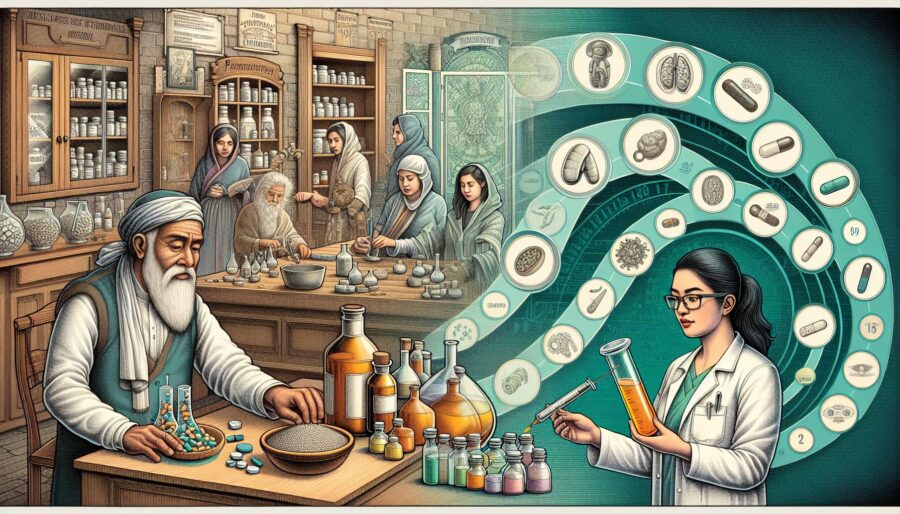
The history of pharmaceuticals can be traced back thousands of years, with ancient civilizations using plants and herbs to treat various ailments. Over time, these traditional remedies evolved into the modern pharmaceutical industry we know today. Advances in technology and scientific research have paved the way for groundbreaking discoveries in medicine, leading to the development of drugs that have revolutionized healthcare.

The Role of Pharmaceuticals in Healthcare

Pharmaceutical companies are responsible for creating a wide range of medications that are used to treat a multitude of medical conditions. From antibiotics and painkillers to chemotherapy drugs and vaccines, pharmaceuticals play a vital role in combating diseases and improving quality of life. Without these essential medications, many people would suffer from preventable illnesses and debilitating conditions.

Challenges Facing the Pharmaceutical Industry

While the pharmaceutical industry has made significant strides in improving healthcare, it is not without its challenges. Issues such as drug pricing, regulatory hurdles, and counterfeit medications pose ongoing challenges for pharmaceutical companies. Additionally, the industry is often criticized for prioritizing profits over public health, leading to debates about accessibility and affordability of essential medications.

The Future of Pharmaceuticals

Despite these challenges, the future of the pharmaceutical industry looks promising. Advances in technology, such as artificial intelligence and personalized medicine, are revolutionizing the way drugs are developed and prescribed. Additionally, pharmaceutical companies are increasingly focusing on sustainability and ethical practices, striving to create a more transparent and responsible industry.

In Conclusion

The pharmaceutical industry plays a vital role in modern healthcare, driving innovation and research that save countless lives. While there are challenges facing the industry, such as drug pricing and regulatory hurdles, pharmaceutical companies are continuously working towards a brighter future. By investing in research and development, embracing technology, and prioritizing ethical practices, the pharmaceutical industry can continue to make a positive impact on global health for years to come.

The Evolving World of Pharmaceuticals

The pharmaceutical industry is one of the most important sectors in the world. It plays a critical role in the healthcare system by developing and producing medications that help patients manage and treat various illnesses and diseases. Over the years, the pharmaceutical world has evolved significantly, with advancements in technology, research, and innovation.

In the past, drug discovery and development were time-consuming and costly processes. Researchers would spend years studying various compounds before finding one that was safe and effective for patients. However, with the advent of new technologies such as high-throughput screening and computer-aided drug design, the process has become faster and more efficient.

Today, pharmaceutical companies are able to develop new drugs at a much quicker pace, allowing them to bring life-saving medications to market faster. This has had a significant impact on patients around the world, as they now have access to a wider range of treatment options for their conditions.

Moreover, the pharmaceutical world has also seen an increase in personalized medicine. This approach involves tailoring treatments to individual patients based on their genetic makeup, lifestyle, and other factors. By using this approach, healthcare providers can offer more targeted and effective treatments, leading to better outcomes for patients.

In addition, the pharmaceutical industry has also seen a rise in biopharmaceuticals. These are drugs that are derived from living organisms, such as proteins, antibodies, and gene therapies. Biopharmaceuticals have revolutionized the way we treat diseases such as cancer, autoimmune disorders, and rare genetic conditions. They offer more targeted and specific treatments with fewer side effects compared to traditional drugs.

Despite these advancements, the pharmaceutical world still faces challenges. Issues such as drug pricing, regulatory hurdles, and the rise of counterfeit medications continue to be a concern for the industry. However, pharmaceutical companies are working towards finding solutions to these issues through collaborations, technology, and innovation.

In conclusion, the pharmaceutical world is an ever-evolving industry that plays a crucial role in improving global health. Through advancements in technology, research, and innovation, the industry has been able to develop new treatments faster and more efficiently. With personalized medicine and biopharmaceuticals on the rise, patients now have access to more targeted and effective treatments. Despite challenges, the future of the pharmaceutical world looks bright, with potential for further breakthroughs and advancements to come.

Exploring the Pharmaceutical World

The pharmaceutical industry plays a crucial role in healthcare by researching, developing, and producing medications that can improve and save lives. It is a dynamic and constantly evolving sector that encompasses a wide range of activities, from drug discovery and clinical trials to regulatory approval and commercialization. In this blog post, we will delve into the fascinating world of pharmaceuticals and explore the key players, trends, and challenges shaping the industry today.

The Rise of Pharmaceutical Giants

Over the past few decades, pharmaceutical companies have emerged as some of the most powerful and profitable entities in the global economy. These industry giants invest heavily in research and development to create new drugs that target a wide array of health conditions, from cancer and diabetes to rare genetic disorders. Companies like Pfizer, Novartis, and Merck dominate the market with their vast portfolios of blockbuster medications that generate billions in revenue each year.

The Role of Innovation and Technology

Innovation is at the heart of the pharmaceutical industry, driving the discovery of novel drugs and the development of cutting-edge therapies. Advances in biotechnology, genomics, and artificial intelligence have revolutionized the way medicines are designed and tested, leading to more personalized and effective treatments. From gene editing and immunotherapy to precision medicine and digital health solutions, the industry is constantly pushing the boundaries of what is possible in healthcare.

Challenges and Controversies

Despite its many achievements, the pharmaceutical world is not without its share of challenges and controversies. Drug pricing, access to medication, and regulatory hurdles are just a few of the issues that companies must navigate in an increasingly complex and competitive environment. The industry also faces scrutiny over issues like drug safety, marketing practices, and conflicts of interest, prompting calls for greater transparency and accountability from both policymakers and the public.

The Future of Pharmaceuticals

As we look to the future, the pharmaceutical industry is poised to undergo further transformation as new technologies and scientific breakthroughs continue to reshape the landscape of healthcare. From the growing importance of biologics and biosimilars to the rise of telemedicine and telehealth, the industry is adapting to meet the changing needs of patients and practitioners alike. With the potential for new treatments for diseases like Alzheimer’s, HIV, and cancer on the horizon, the pharmaceutical world is brimming with promise and possibility.

In conclusion, the pharmaceutical industry is a dynamic and vital component of the healthcare ecosystem, driving innovation, improving patient outcomes, and shaping the future of medicine. As we navigate the opportunities and challenges ahead, it is clear that the world of pharmaceuticals will continue to be a source of inspiration and transformation for years to come. Let us embrace the opportunities that lie ahead and work towards a healthier and more resilient future for all.

The Ever-changing Landscape of the Pharmaceutical World

The pharmaceutical industry is vast, dynamic, and ever-evolving. From the development of new drugs to the regulation of existing ones, this world is constantly in motion. With advancements in technology, changing market trends, and increasing consumer demands, the pharmaceutical world is a complex and intricate web of innovation and regulation.

In recent years, the pharmaceutical world has seen significant growth in research and development. With groundbreaking discoveries in areas such as genetics, personalized medicine, and biotechnology, the industry is at the forefront of cutting-edge innovations. New drugs are being developed to treat a wide range of diseases and conditions, offering hope to patients who may have previously had limited treatment options.

However, with these advancements comes the challenge of regulation. The pharmaceutical industry is heavily regulated by government agencies such as the FDA, EMA, and others to ensure the safety and efficacy of drugs on the market. From clinical trials to post-market surveillance, pharmaceutical companies must adhere to strict guidelines and regulations to bring their products to market.

In addition to regulation, the pharmaceutical world is also influenced by market trends and consumer demands. With an aging population, the demand for medications to treat chronic conditions such as diabetes, heart disease, and Alzheimer’s disease is on the rise. Pharmaceutical companies must stay ahead of these trends, developing new drugs to meet the growing needs of consumers.

Moreover, with the rise of the digital age, the pharmaceutical world is increasingly focused on data and analytics. From electronic health records to real-world evidence, data plays a crucial role in drug development and marketing. Pharmaceutical companies are leveraging data to better understand patient populations, improve clinical trial design, and personalize treatment options.

As the pharmaceutical world continues to evolve, one thing remains constant: the need for collaboration and innovation. With the complexities of drug development, regulation, and market trends, pharmaceutical companies must work together to drive advancements in the industry. From partnerships with academic institutions to collaborations with other companies, the pharmaceutical world thrives on a culture of innovation and shared knowledge.

In conclusion, the pharmaceutical world is a complex, dynamic, and ever-changing landscape. From the development of new drugs to the regulation of existing ones, this industry plays a crucial role in advancing healthcare and improving patient outcomes. As the industry continues to evolve, collaboration, innovation, and a focus on data will be key drivers of success in the future.

Exploring the Intriguing World of Pharmaceuticals

The pharmaceutical industry is a vital sector that plays a crucial role in the healthcare system. It encompasses the research, development, production, and distribution of medications and other healthcare products. Pharmaceutical companies work tirelessly to discover new drugs, improve existing treatments, and ensure their products are safe and effective for patients.

In recent years, the pharmaceutical world has seen significant advancements, thanks to cutting-edge technology and scientific breakthroughs. These innovations have revolutionized the way drugs are developed, tested, and manufactured, leading to improved patient outcomes and better healthcare delivery. From precision medicine and gene therapy to personalized treatments and immunotherapy, the possibilities in the pharma industry are endless.

One of the key challenges facing the pharmaceutical industry is balancing the need for innovation with affordability and accessibility. Developing new drugs can be a costly and time-consuming process, often requiring years of research and clinical trials. However, pharmaceutical companies must also ensure that their products are affordable for patients and healthcare systems, particularly in low- and middle-income countries where access to essential medicines is limited.

Regulatory bodies play a crucial role in overseeing the pharmaceutical industry, ensuring that drugs meet stringent safety and quality standards before they can be marketed and sold to patients. The approval process for new drugs can be rigorous and demanding, requiring companies to provide comprehensive data on the safety, efficacy, and quality of their products.

Despite the challenges and complexities of the pharmaceutical world, the industry continues to thrive and evolve, driven by a shared commitment to improving global health outcomes and addressing unmet medical needs. Collaborations between industry stakeholders, healthcare professionals, and patient advocates are essential in driving innovation and ensuring that new treatments reach those who need them most.

In conclusion, the pharmaceutical world is a dynamic and ever-changing landscape that is essential for advancing healthcare and improving the lives of patients worldwide. With ongoing research, innovation, and collaboration, the industry will continue to make significant contributions to global health and well-being. As we navigate the challenges and opportunities that lie ahead, let us continue to work together to ensure that safe, effective, and affordable medications are accessible to all who need them.

Let us remember that the key to success in the pharmaceutical industry lies not only in developing groundbreaking treatments but also in ensuring that these treatments are accessible and affordable for all patients. Together, we can create a healthier and more equitable world for future generations.

The Ever-Evolving World of Pharmaceuticals

The pharmaceutical industry is a complex and constantly evolving field that plays a crucial role in the healthcare system. From the discovery of new drugs to the development of cutting-edge medical technologies, pharmaceutical companies are at the forefront of innovation in medicine.

In recent years, there has been a significant shift in the focus of the pharmaceutical industry towards precision medicine. This approach aims to tailor medical treatment to the individual characteristics of each patient, taking into account their genetic makeup, lifestyle, and environmental factors. This personalized approach has the potential to revolutionize the way we treat diseases and improve patient outcomes.

One of the key challenges facing the pharmaceutical industry is the rising cost of drug development. The process of bringing a new drug to market is long, complex, and costly, with no guarantee of success. As a result, pharmaceutical companies are under increasing pressure to find more efficient ways to develop and produce new drugs while still maintaining high standards of safety and efficacy.

Another important trend in the pharmaceutical industry is the growing emphasis on collaboration and partnerships. In an increasingly interconnected world, pharmaceutical companies are realizing the benefits of working together to share knowledge, resources, and expertise. Collaborations between industry, academia, and government can accelerate the pace of drug discovery and development, leading to faster and more cost-effective treatments for patients.

Despite these challenges, the pharmaceutical industry continues to make significant strides in advancing healthcare and improving patient outcomes. New breakthroughs in areas such as immunotherapy, gene editing, and precision medicine are offering new hope for patients with previously untreatable conditions.

As we look to the future, it is clear that the pharmaceutical industry will continue to play a vital role in shaping the healthcare landscape. By embracing innovation, collaboration, and a commitment to patient-centered care, pharmaceutical companies can help to drive forward progress in medicine and make a real difference in the lives of patients around the world.

In conclusion, the world of pharmaceuticals is a dynamic and fast-paced industry that is constantly evolving to meet the changing needs of patients and healthcare providers. By staying at the forefront of innovation and embracing new technologies and approaches, pharmaceutical companies can continue to make a positive impact on the health and well-being of people everywhere.

Page 3 of 4

Powered by WordPress & Theme by Anders Norén