Month: August 2024 Page 2 of 4

The Complex World of Pharmaceuticals

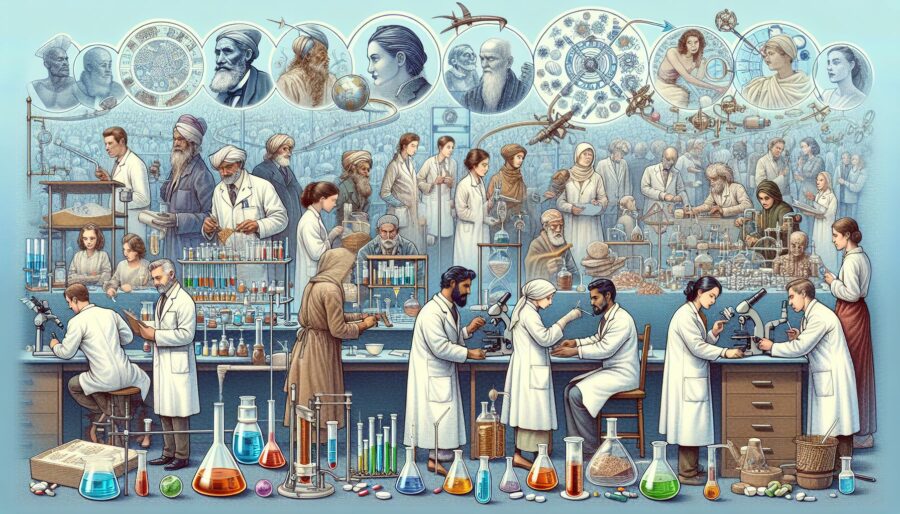
The pharmaceutical industry plays a crucial role in the healthcare system by developing, producing, and distributing medications to the public. This world is complex and constantly evolving, with new discoveries and advancements being made every day. In this blog post, we will explore the ins and outs of the pharmaceutical world.

The Role of Pharmaceuticals

Pharmaceuticals are essential in the treatment and prevention of diseases and illnesses. They encompass a wide range of products, including prescription medications, over-the-counter drugs, vaccines, and biologics. These products are carefully tested and regulated before they are approved for use by regulatory agencies such as the Food and Drug Administration (FDA).

Drug Development Process

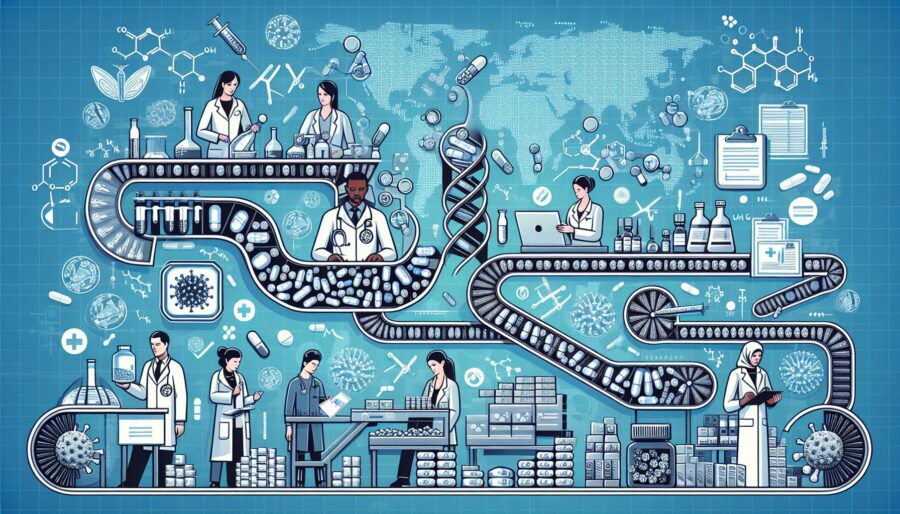
The process of developing a new drug is lengthy and expensive. It typically involves years of research and clinical trials before a drug can be brought to market. Pharmaceutical companies invest significant resources into this process, with no guarantee of success. Once a drug is approved, it must be manufactured, marketed, and distributed to pharmacies and healthcare facilities.

Challenges in the Pharmaceutical World

The pharmaceutical world faces a number of challenges, including increasing regulatory scrutiny, rising costs of research and development, and competition from generic drug manufacturers. Additionally, there is growing concern about the affordability and accessibility of medications, particularly for underserved populations. Pharmaceutical companies must navigate these challenges while also adhering to strict ethical standards and regulations.

Future of Pharmaceuticals

Despite these challenges, the future of the pharmaceutical industry looks promising. Advances in technology, such as personalized medicine and gene therapy, hold the potential to revolutionize the way we treat diseases. Furthermore, increasing global demand for healthcare services is driving continued growth in the pharmaceutical market.

In conclusion, the pharmaceutical world is a complex and dynamic industry that plays a critical role in healthcare. As we look to the future, it is important for pharmaceutical companies to continue to innovate and adapt to meet the needs of patients and healthcare providers. By staying at the forefront of research and development, the pharmaceutical industry can continue to make a positive impact on the health and well-being of people around the world.

The Dynamic World of Pharmaceuticals

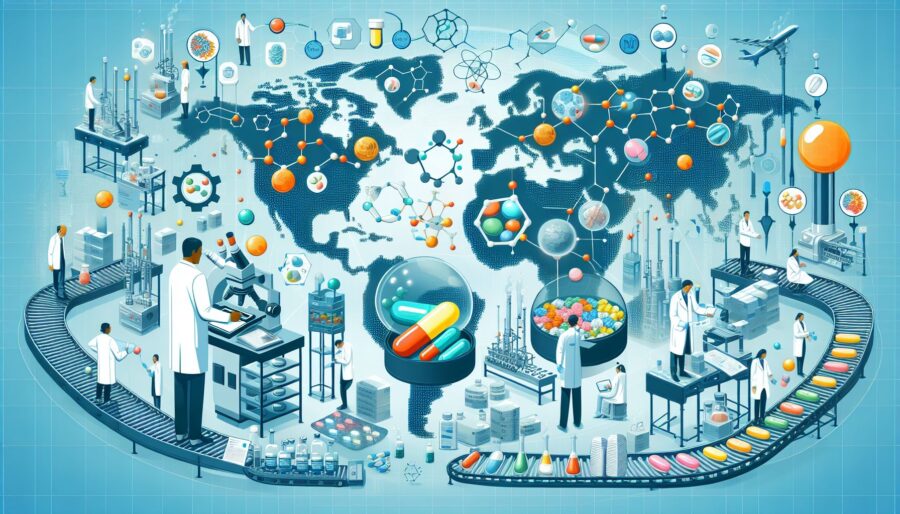
The world of pharmaceuticals is constantly evolving, with new drugs and treatments being developed all the time. This industry plays a crucial role in healthcare, providing medications that help manage and cure various diseases and conditions. From research and development to production and distribution, the pharmaceutical world is a complex and highly regulated environment.

In recent years, there has been a focus on developing innovative treatments for rare diseases and conditions that previously had limited options. This has led to breakthroughs in gene therapy, immunotherapy, and precision medicine, offering new hope to patients with challenging illnesses. These advancements are made possible through collaboration between pharmaceutical companies, academic institutions, and government agencies.

One of the key challenges in the pharmaceutical world is the high cost of drug development and the need to balance pricing with the need for access to medication. Pharmaceutical companies invest billions of dollars in research and clinical trials to bring a new drug to market, and they must recoup these costs to continue their work. However, this often leads to debates over drug pricing and affordability, particularly for life-saving treatments.

Regulation is another major factor in the pharmaceutical world, with strict guidelines and oversight to ensure the safety and efficacy of medications. The Food and Drug Administration (FDA) in the United States and similar organizations around the world play a crucial role in reviewing and approving new drugs. This process can take years and requires extensive testing to demonstrate the benefits and risks of a medication.

Despite these challenges, the pharmaceutical world continues to push boundaries and innovate, with new treatments for cancer, autoimmune diseases, and infectious diseases constantly in development. The COVID-19 pandemic has highlighted the importance of the pharmaceutical industry, with a global effort to develop and distribute vaccines in record time. This experience has shown the power of collaboration and innovation in addressing healthcare challenges.

In conclusion, the world of pharmaceuticals is a dynamic and vital part of healthcare, with a focus on innovation, regulation, and access to medication. While there are challenges to overcome, the industry continues to make significant advancements in treating and curing diseases. As technology and research progress, the future of pharmaceuticals holds promise for improving health outcomes and quality of life for patients around the world.

Exploring the Dynamic World of Pharmaceuticals

The pharmaceutical industry is one of the most important and influential sectors of the global economy. With a focus on research, development, production, and distribution of drugs and medications, pharmaceutical companies play a crucial role in improving public health and well-being.

In recent years, the pharmaceutical world has seen significant advancements in technology and innovation. These advancements have led to the discovery of new drugs, treatments, and therapies that have revolutionized the way certain diseases are treated. From vaccines to life-saving medications, the pharmaceutical industry continues to push the boundaries of what is possible in the field of medicine.

One of the key challenges facing the pharmaceutical world is the rising costs of research and development. Developing a new drug can be a long and expensive process, with no guarantee of success. Pharmaceutical companies must invest heavily in research, clinical trials, and regulatory approvals, which can result in high prices for medications. This has led to ongoing debates about the affordability and accessibility of essential medications for those who need them most.

Despite these challenges, the pharmaceutical industry remains a crucial player in the global healthcare landscape. With a focus on innovation, collaboration, and patient care, pharmaceutical companies continue to work towards improving the health and well-being of individuals around the world. Whether it’s developing new treatments for chronic conditions or combating infectious diseases, the pharmaceutical world plays a vital role in shaping the future of medicine.

In conclusion, the pharmaceutical world is a dynamic and fast-paced industry that is constantly evolving. With a focus on innovation, research, and patient care, pharmaceutical companies continue to push the boundaries of what is possible in the field of medicine. While there are challenges to be overcome, the potential for advancements in healthcare and improved patient outcomes is vast. By working together, the pharmaceutical industry can continue to make a positive impact on public health and well-being for generations to come.

Exploring the World of Pharmaceuticals

The pharmaceutical industry is a vast and complex world that plays a crucial role in healthcare. With advancements in medicine and technology, pharmaceutical companies are continuously working to develop new drugs and treatments to improve the lives of millions of people worldwide.

In the world of pharmaceuticals, research and development are at the core of everything. Scientists and researchers are constantly exploring new molecules and compounds to create innovative medicines that can treat a wide range of diseases and conditions. This process involves years of testing, clinical trials, and regulatory approvals to ensure the safety and efficacy of the drugs.

One of the key challenges in the pharmaceutical world is the cost of drug development. Developing a new drug can take up to 12 years and cost billions of dollars. This high cost is due to the extensive research, testing, and regulatory processes involved in bringing a new drug to market. Pharmaceutical companies must recoup these costs through sales of the drug, which can often lead to high prices for patients.

Regulatory agencies such as the Food and Drug Administration (FDA) play a critical role in ensuring the safety and effectiveness of drugs. Before a drug can be brought to market, it must undergo rigorous testing and evaluation to prove its safety and efficacy. Once approved, the drug is closely monitored for any adverse effects through post-market surveillance.

Despite the challenges and costs associated with drug development, the pharmaceutical industry continues to make significant advancements in healthcare. From groundbreaking treatments for cancer and rare diseases to vaccines that protect against infectious diseases, pharmaceutical companies are continuously striving to improve the quality of life for patients around the world.

In conclusion, the world of pharmaceuticals is a dynamic and ever-evolving industry that plays a vital role in healthcare. Through research, innovation, and regulatory oversight, pharmaceutical companies are able to develop life-saving drugs and treatments that have a profound impact on millions of lives. While there are challenges and costs associated with drug development, the benefits of new medicines far outweigh the challenges. As technology continues to advance, we can expect to see even more groundbreaking developments in the field of pharmaceuticals in the years to come.

The Intriguing and Complex World of Pharmaceuticals

The pharmaceutical industry plays a crucial role in the healthcare sector, as it involves the research, development, production, and distribution of drugs and medications. This industry is constantly evolving, with new advancements in technology and research leading to the creation of innovative treatments and cures for various health conditions.

The process of bringing a new drug to market is a complex and time-consuming endeavor. It typically involves years of research, clinical trials, and regulatory approvals before a drug can be made available to the public. The pharmaceutical industry is heavily regulated, with strict guidelines in place to ensure the safety and efficacy of medications.

One of the most important aspects of the pharmaceutical industry is drug development. This process involves identifying potential new drug candidates, conducting preclinical and clinical trials, and obtaining regulatory approval. Pharmaceutical companies invest billions of dollars in research and development each year, with the hope of discovering groundbreaking new treatments for diseases such as cancer, Alzheimer’s, and diabetes.

In addition to drug development, the pharmaceutical industry also plays a crucial role in drug manufacturing and distribution. Once a drug has been approved for use, it must be manufactured in large quantities and distributed to pharmacies, hospitals, and other healthcare providers around the world. This process involves coordination between manufacturers, distributors, and regulators to ensure that medications reach patients in a safe and timely manner.

Despite the important role that the pharmaceutical industry plays in healthcare, it is not without its challenges. One of the main challenges facing the industry is the rising cost of healthcare and prescription medications. Drug prices have been steadily increasing in recent years, leading to concerns about access and affordability for patients.

In conclusion, the pharmaceutical industry is a fascinating and complex world that plays a critical role in healthcare. From drug development to manufacturing and distribution, pharmaceutical companies are constantly working to improve the health and wellbeing of people around the world. While the industry faces challenges such as rising drug prices, it continues to push the boundaries of science and innovation to discover new treatments and cures for a wide range of medical conditions.Ultimately, the pharmaceutical industry is essential to advancing medicine and improving public health.
The Fascinating World of Pharmaceuticals

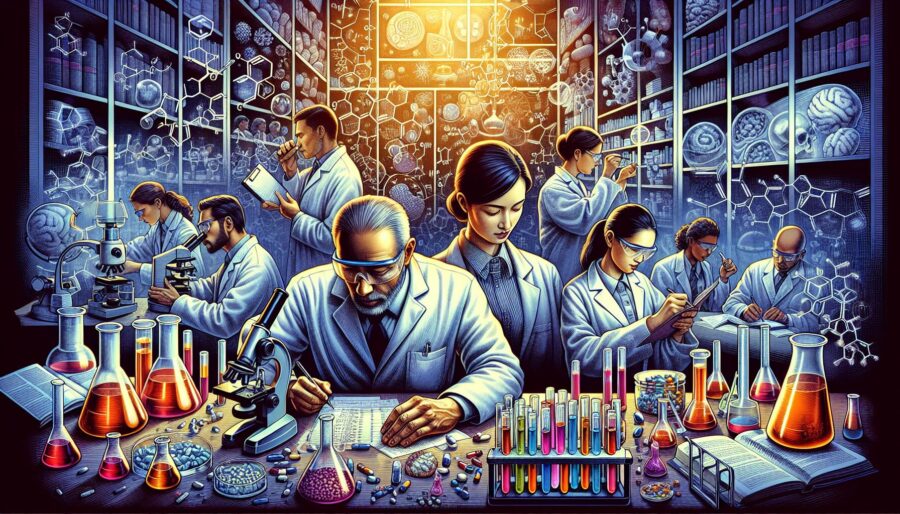
The pharmaceutical industry is an ever-evolving field that plays a critical role in the healthcare sector. From developing life-saving medications to conducting groundbreaking research, pharmaceutical companies have a significant impact on global health outcomes. In this blog post, we will explore the world of pharmaceuticals, including its importance, challenges, and future prospects.

Importance of Pharmaceuticals

Pharmaceuticals are essential for treating a wide range of medical conditions, from common ailments like headaches and allergies to chronic diseases such as diabetes and cancer. These medications not only alleviate symptoms but can also cure illnesses and improve quality of life. Additionally, pharmaceuticals play a crucial role in preventing the spread of infectious diseases through vaccines and antimicrobial agents.

Moreover, the pharmaceutical industry drives innovation in healthcare by investing in research and development. This continuous scientific advancement leads to the discovery of new drugs and treatments that can address previously untreatable conditions. Without pharmaceuticals, many patients would not have access to life-saving interventions or better health outcomes.

Challenges in the Pharmaceutical World

Despite its importance, the pharmaceutical industry faces several challenges. One major issue is the rising cost of medications, which can make healthcare inaccessible to those who cannot afford expensive drugs. Additionally, the regulatory environment governing the pharmaceutical sector can be complex and time-consuming, delaying the approval and market entry of new treatments.

Moreover, pharmaceutical companies must navigate public scrutiny and ethical concerns, particularly regarding drug pricing, marketing practices, and conflicts of interest. Balancing financial interests with ethical responsibilities can be a delicate and contentious process for many pharmaceutical companies.

Future Prospects in Pharmaceuticals

Despite these challenges, the pharmaceutical industry continues to innovate and thrive. Advancements in technology, such as artificial intelligence and precision medicine, have the potential to revolutionize drug discovery and personalized treatments. Additionally, the growing emphasis on sustainability and ethical practices is pushing pharmaceutical companies to become more socially responsible and transparent in their operations.

As the global population ages and the burden of chronic diseases increases, the demand for pharmaceuticals is expected to rise. This presents a significant opportunity for the industry to develop novel therapies and improve healthcare outcomes for patients worldwide. By embracing innovation and addressing societal concerns, the pharmaceutical world can continue to make a positive impact on public health.

In conclusion, the pharmaceutical industry plays a vital role in healthcare by developing life-saving medications, driving innovation, and improving patient outcomes. While facing challenges such as rising costs and ethical dilemmas, the industry remains resilient and forward-thinking. With continued advancements in research and technology, the pharmaceutical world is poised to make significant contributions to global health in the years to come.

The Ever-evolving World of Pharmaceuticals

The pharmaceutical industry plays a crucial role in healthcare by developing, producing, and marketing drugs to treat various medical conditions. It is a dynamic field that is constantly evolving with advancements in technology, research, and regulations. Pharmaceutical companies are at the forefront of innovation, striving to discover new medications that can improve the quality of life for patients worldwide.

In the past few decades, the pharmaceutical world has seen significant advancements in drug discovery and development. The advent of high-throughput screening, combinatorial chemistry, and molecular modeling techniques has revolutionized the way new drugs are discovered. These technologies have enabled researchers to identify and validate drug targets more rapidly, leading to the development of novel therapies for diseases that were once considered untreatable.

In addition to drug discovery, pharmaceutical companies invest heavily in clinical trials to demonstrate the safety and efficacy of their products. These trials are essential for obtaining regulatory approval from agencies such as the Food and Drug Administration (FDA) in the United States and the European Medicines Agency (EMA) in Europe. Without regulatory approval, a drug cannot be marketed to the public, underscoring the importance of rigorous testing and data analysis in the pharmaceutical industry.

Furthermore, the pharmaceutical world is highly regulated to ensure that drugs are produced and marketed in a safe and ethical manner. Companies must comply with Good Manufacturing Practices (GMP) to maintain the quality of their products and adhere to strict guidelines for drug testing and labeling. Regulatory agencies conduct inspections and audits to verify compliance with these standards, which are designed to protect the health and well-being of patients.

Despite the many advancements and regulations in the pharmaceutical world, challenges persist in ensuring access to affordable medications for all patients. The high cost of drug development, coupled with rising healthcare expenses, has led to debates about pricing and accessibility. Pharmaceutical companies must balance the need for profitability with their commitment to providing affordable healthcare solutions, a delicate dance that requires collaboration with policymakers, healthcare providers, and patients.

In conclusion, the pharmaceutical world is a complex and dynamic industry that plays a vital role in healthcare. With ongoing research, technological advancements, and regulatory oversight, pharmaceutical companies are constantly striving to improve patient outcomes and quality of life. By navigating the challenges and opportunities present in this evolving field, the pharmaceutical industry continues to demonstrate its commitment to innovation, integrity, and excellence in serving the global community.

The Intricate World of Pharmaceuticals

The pharmaceutical industry is a complex and ever-evolving world that plays a crucial role in maintaining the health and well-being of individuals around the globe. From researching and developing new drugs to manufacturing and distributing them, pharmaceutical companies are at the forefront of medical innovation.

The process of bringing a new drug to market is a lengthy and meticulous one. It typically involves years of research and development, extensive clinical trials, and regulatory approval from government agencies such as the Food and Drug Administration (FDA). Once a drug is approved for sale, pharmaceutical companies must navigate the challenges of manufacturing, marketing, and distributing their product to healthcare providers and patients.

One of the biggest challenges facing the pharmaceutical industry is the rising cost of drug development. Researching and developing a new drug can cost billions of dollars, and there is no guarantee of success. As a result, pharmaceutical companies must carefully balance the need to recoup their investment with the imperative to provide affordable and accessible healthcare to patients.

Another major issue facing the pharmaceutical world is the growing concern over drug pricing. In recent years, there has been a backlash against the high cost of prescription drugs, with many patients struggling to afford the medications they need. Pharmaceutical companies must strike a delicate balance between maximizing profits and ensuring that their products are accessible to those who need them.

Despite these challenges, the pharmaceutical industry continues to make significant advancements in medical science. From breakthrough treatments for cancer and rare diseases to innovative vaccines and therapies, pharmaceutical companies are constantly pushing the boundaries of what is possible in healthcare.

In conclusion, the pharmaceutical world is a fascinating and complex industry that plays a vital role in improving the health and well-being of individuals worldwide. While it faces many challenges, from rising costs to drug pricing concerns, the industry remains committed to advancing medical science and bringing new treatments to market. As we look to the future, it is clear that the pharmaceutical industry will continue to be a key player in shaping the healthcare landscape for years to come.

Unveiling the Pharmaceutical World

The pharmaceutical industry plays a crucial role in promoting global health and well-being. It is responsible for researching, developing, producing, and distributing medications that treat various illnesses and medical conditions. The world of pharmaceuticals is constantly evolving, with new drugs and treatments being discovered and introduced regularly.

In the pharmaceutical world, extensive research is conducted to identify potential new drugs that could address unmet medical needs. This research involves the collaboration of scientists, researchers, and clinicians who work tirelessly to understand diseases and develop innovative treatment options. Once a new drug candidate is identified, it undergoes rigorous testing in preclinical and clinical trials to assess its safety and efficacy.

The regulatory environment in the pharmaceutical industry is complex, with strict guidelines and requirements that must be adhered to. Before a new drug can be approved for sale and distribution, it must meet the stringent standards set by regulatory agencies such as the Food and Drug Administration (FDA) in the United States. These agencies carefully evaluate the data from clinical trials to ensure that the new drug is safe and effective for use in patients.

Pharmaceutical companies also play a vital role in manufacturing and distributing medications to patients around the world. The production of pharmaceutical drugs is a highly regulated process that requires strict quality control measures to ensure the drugs are safe and effective. Once produced, medications are distributed through various channels, including pharmacies, hospitals, and clinics, to reach patients who need them.

The pharmaceutical industry faces numerous challenges, including increasing competition, rising drug prices, and the need for continuous innovation. Despite these challenges, the pharmaceutical world remains committed to improving global health by developing new treatments and medications that can save lives and improve quality of life.

In conclusion, the pharmaceutical world is a dynamic and essential part of the healthcare system. Through research, development, production, and distribution of medications, pharmaceutical companies contribute to the advancement of medical science and the treatment of various illnesses. As new discoveries and innovations continue to emerge, the pharmaceutical industry will play a crucial role in shaping the future of healthcare and improving the lives of millions of people worldwide.

The Ever-Evolving World of Pharmaceuticals

As technology advances and medical research continues to expand, the pharmaceutical world is constantly evolving. From new drugs to revolutionary treatments, the industry is at the forefront of improving healthcare for people all over the world.

The pharmaceutical industry plays a crucial role in healthcare by developing and manufacturing medications that help prevent, treat, and cure various diseases. In recent years, we have seen incredible advancements in the field, such as the development of personalized medicine, which tailors treatments to individual patients based on their genetic makeup.

One of the most exciting areas of innovation in the pharmaceutical world is the rise of biologics, which are medications made from living organisms. These drugs have the potential to treat a wide range of conditions, including cancer, autoimmune diseases, and chronic illnesses. Biologics offer targeted therapies that can be more effective and have fewer side effects than traditional medications.

In addition to biologics, the pharmaceutical industry is also exploring new ways to deliver medications, such as through nanotechnology and gene therapy. These cutting-edge techniques aim to improve drug delivery and enhance treatment outcomes for patients.

However, along with these advancements come challenges. The high costs of developing new drugs and the complexities of regulations and approvals can make it difficult for pharmaceutical companies to bring innovative treatments to market. Additionally, ensuring the safety and efficacy of new medications is paramount, requiring rigorous testing and monitoring.

Despite these challenges, the pharmaceutical world continues to push boundaries and make strides in improving healthcare. With the rise of precision medicine, the development of groundbreaking therapies, and the exploration of new treatment modalities, the future of healthcare looks promising.

In conclusion, the pharmaceutical industry is an essential component of modern healthcare, driving innovation and improving patient outcomes. With advancements in biologics, personalized medicine, and drug delivery techniques, the industry is poised to revolutionize treatment options for patients around the world. As research continues and technology advances, we can expect even more exciting developments in the pharmaceutical world in the years to come.

Page 2 of 4

Powered by WordPress & Theme by Anders Norén