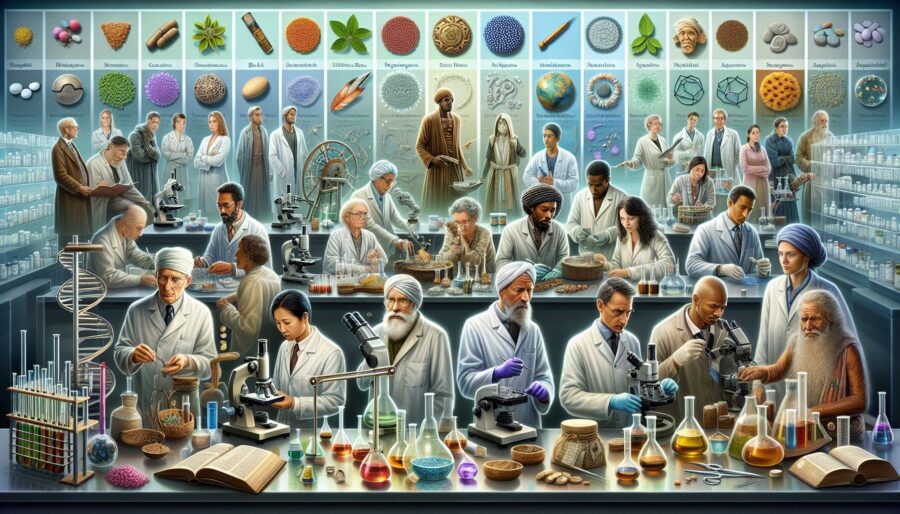
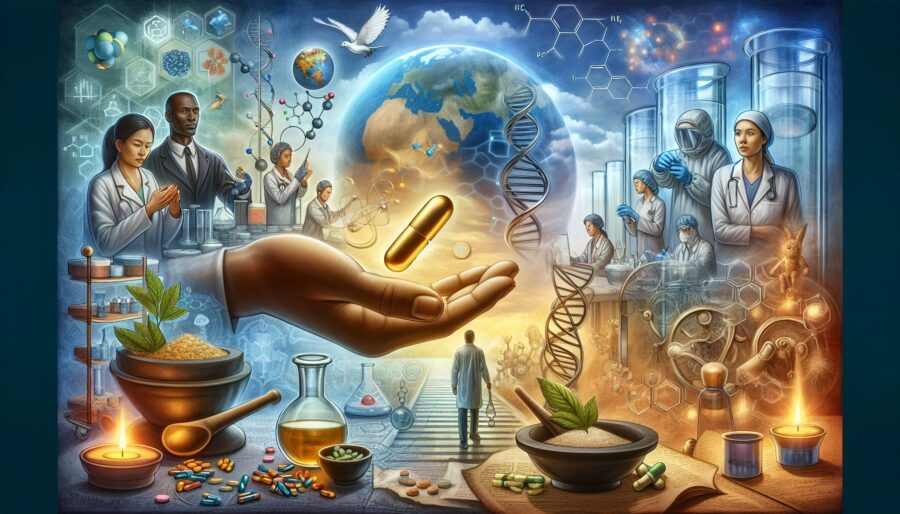
The Evolving World of Pharmaceuticals

The pharmaceutical industry plays a critical role in the health and well-being of people all over the world. From developing life-saving medications to innovative treatments for various ailments, pharmaceutical companies are constantly working to improve the quality of life for millions of individuals.

In recent years, the pharmaceutical world has seen significant advancements in technology, research, and development. With the advent of personalized medicine, companies are now able to tailor treatments to specific individuals based on their genetic makeup, leading to more effective and targeted therapies.

One of the most significant trends in the pharmaceutical industry is the rise of biologics. Biologics are derived from living organisms and are used to treat a wide range of conditions, including autoimmune diseases, cancer, and chronic illnesses. These complex molecules have opened up new possibilities for treatment options, offering a more precise and effective approach to managing diseases.

The pharmaceutical world is also experiencing a shift towards digital health solutions. With the increasing use of mobile devices and wearable technology, companies are now able to collect real-time data on patient health and behavior, allowing for more personalized and proactive care. This digital transformation has the potential to revolutionize the way healthcare is delivered, making it more accessible and efficient for patients.

Despite these advancements, the pharmaceutical industry still faces challenges such as regulatory hurdles, pricing pressures, and the need to constantly innovate in a competitive market. Companies must navigate these obstacles while also staying true to their mission of improving patient outcomes and advancing scientific knowledge.

In conclusion, the pharmaceutical world is a dynamic and ever-evolving industry that continues to push the boundaries of what is possible in healthcare. With new technologies, personalized medicine, and digital health solutions, companies are paving the way for groundbreaking treatments and therapies that have the potential to revolutionize the way we approach healthcare. By staying at the forefront of innovation and research, the pharmaceutical industry is poised to make a lasting impact on the lives of individuals around the globe.
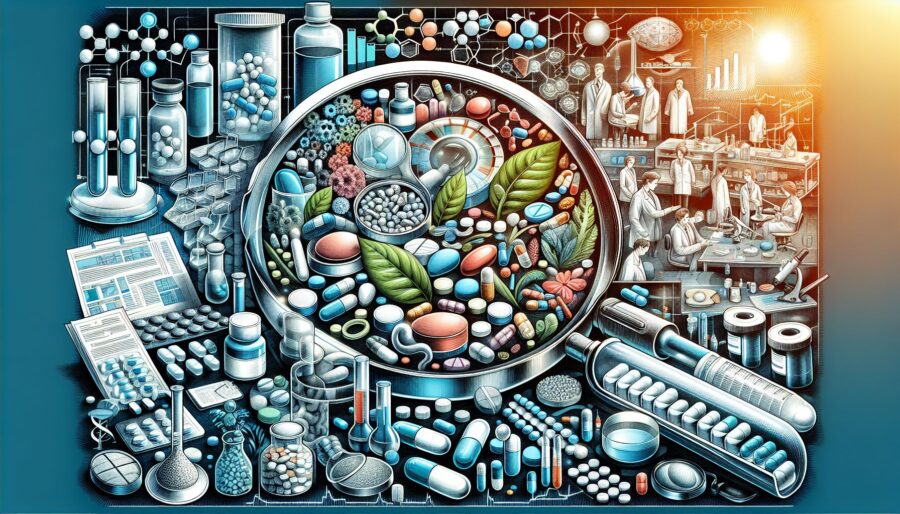
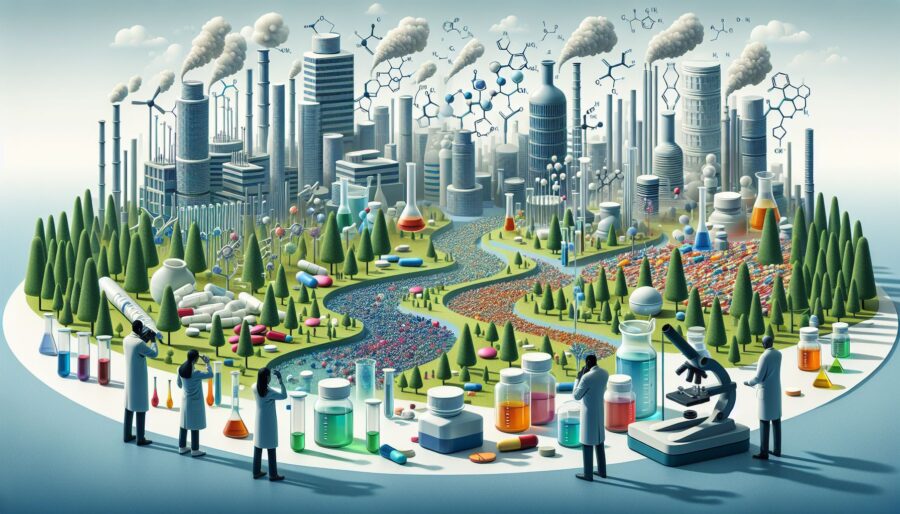
Exploring the Complex and Ever-Evolving World of Pharmaceuticals

The pharmaceutical industry is a constantly changing and rapidly evolving field that plays a crucial role in the healthcare system. From the discovery and development of new drugs to the regulation and distribution of medications, pharmaceutical companies are at the forefront of medical innovation.

In recent years, the pharmaceutical world has seen significant advancements in technology and research, leading to the development of groundbreaking treatments and therapies for various diseases and conditions. The industry is also facing challenges such as increasing competition, rising costs, and a growing demand for personalized medicine.

One of the key challenges in the pharmaceutical world is the process of drug discovery and development. This involves identifying potential drug candidates, conducting preclinical and clinical trials, and obtaining regulatory approval from government agencies such as the Food and Drug Administration (FDA). The entire process can take years and cost millions of dollars, with no guarantee of success.

Moreover, pharmaceutical companies must navigate a complex web of regulations and guidelines to ensure the safety and efficacy of their products. From manufacturing and quality control to marketing and distribution, every aspect of the pharmaceutical industry is tightly regulated to protect consumers and maintain public health.

Despite these challenges, the pharmaceutical world continues to be a driving force in medical innovation and research. Companies are investing heavily in cutting-edge technologies such as artificial intelligence, machine learning, and gene editing to accelerate the drug discovery process and bring new treatments to market faster.

In conclusion, the pharmaceutical world is a dynamic and multifaceted industry that is constantly evolving to meet the growing needs of patients and healthcare providers. By investing in research and development, embracing new technologies, and adhering to strict regulatory standards, pharmaceutical companies are paving the way for a healthier future for all.

As we look to the future, it is clear that the pharmaceutical industry will continue to play a vital role in improving global health outcomes and advancing medical science. With a focus on innovation, collaboration, and patient-centered care, the pharmaceutical world has the potential to transform the way we treat and prevent disease.

Exploring the Ever-evolving World of Pharmaceuticals

The pharmaceutical industry is constantly evolving and adapting to meet the demands of a growing global population. From the development of life-saving drugs to the creation of cutting-edge treatments, this field is at the forefront of medical innovation.

The pharmaceutical industry plays a crucial role in the healthcare system by developing and manufacturing drugs that treat a wide range of medical conditions. These drugs are carefully tested for safety and efficacy before they are made available to the public. This process can take several years and involves rigorous testing and regulatory approval.

One of the key challenges facing the pharmaceutical industry is the rising cost of drug development. Developing a new drug can cost billions of dollars and can take up to 15 years to bring to market. This high cost is due in part to the extensive research and development process, as well as the high failure rate of new drugs. Despite these challenges, the pharmaceutical industry continues to invest in research and development in order to bring new, innovative drugs to market.

In recent years, there has been a growing focus on personalized medicine in the pharmaceutical industry. This approach involves tailoring treatments to individual patients based on their genetic makeup, lifestyle factors, and other personalized data. By harnessing the power of technology and data analytics, pharmaceutical companies are able to develop more targeted and effective treatments for patients. This personalized approach has the potential to revolutionize the way we treat diseases and improve patient outcomes.

Another major trend in the pharmaceutical industry is the use of biologics. Biologics are drugs that are made from living organisms, such as bacteria, yeast, or mammalian cells. These drugs are often used to treat complex diseases like cancer, autoimmune disorders, and rare genetic conditions. Biologics have the potential to be more effective and have fewer side effects than traditional drugs, making them an exciting area of research and development in the pharmaceutical industry.

In conclusion, the pharmaceutical industry is a dynamic and ever-evolving field that plays a crucial role in improving global health. From the development of new drugs to the implementation of personalized medicine and biologics, this industry is constantly pushing the boundaries of medical innovation. As we continue to advance in technology and scientific knowledge, the future of the pharmaceutical industry looks bright, with the promise of new and exciting treatments on the horizon.

The World of Pharmaceuticals

From curing diseases to improving quality of life, pharmaceuticals play a crucial role in the healthcare industry. These companies research, develop, manufacture, and market drugs for a wide range of medical conditions. The pharmaceutical world is constantly evolving, with new discoveries and innovations being made every day.

In the pharmaceutical industry, research and development are at the heart of everything. Scientists and researchers work tirelessly to find new treatments and medications that can improve the health and well-being of people around the world. From cancer drugs to vaccines, these advancements have the potential to save countless lives and make a significant impact on global health.

Manufacturing is another key aspect of the pharmaceutical world. Companies must adhere to strict regulations and quality control measures to ensure that their products are safe and effective. With advancements in technology, pharmaceutical companies are able to produce medications more efficiently and in larger quantities than ever before.

The marketing and distribution of pharmaceuticals are also crucial to their success. Companies must carefully market their products to healthcare professionals and consumers, while also ensuring that they are accessible to those who need them. This can involve working with healthcare providers, pharmacies, and insurance companies to ensure that patients have access to the medications they require.

Despite the many benefits that pharmaceuticals provide, the industry faces challenges as well. From rising costs to regulatory hurdles, companies must navigate a complex landscape in order to bring their products to market. Additionally, concerns about drug safety and efficacy can also impact the reputation of pharmaceutical companies and the trust of consumers.

In conclusion, the pharmaceutical world is a dynamic and essential part of the healthcare industry. From research and development to manufacturing and distribution, these companies play a vital role in improving health outcomes for people around the world. While there are challenges and obstacles to overcome, the innovations and advancements made in the pharmaceutical industry continue to have a profound impact on the lives of individuals and communities worldwide.

Exploring the Intricate World of Pharmaceuticals

The pharmaceutical industry plays a critical role in developing and providing medications that are essential for curing diseases, managing pain, and improving overall health. This complex world involves a variety of components, from drug research and development to marketing and distribution. Let’s delve deeper into the fascinating realm of pharmaceuticals.

Drug Research and Development

One of the most crucial aspects of the pharmaceutical world is the research and development of new drugs. This process involves years of testing and trial phases to ensure the efficacy and safety of medications before they are brought to market. Pharmaceutical companies invest billions of dollars in these efforts to discover new treatments for various illnesses and conditions.

Regulations and Approvals

Before a drug can be sold to the public, it must undergo rigorous scrutiny and approval processes by regulatory agencies such as the Food and Drug Administration (FDA) in the United States. These agencies evaluate the safety, efficacy, and quality of medications to ensure that they meet strict standards before being approved for use.

Marketing and Distribution

Once a drug has been approved, pharmaceutical companies focus on marketing and distributing their products to healthcare providers and patients. This involves creating targeted advertising campaigns, establishing partnerships with healthcare facilities, and ensuring that medications are readily available to those who need them.

Challenges and Controversies

The pharmaceutical world is not without its challenges and controversies. Pricing of medications, access to essential drugs, and concerns about overprescribing are just a few of the issues facing the industry. Additionally, the rise of counterfeit medications and the ongoing battle against drug resistance pose significant challenges for pharmaceutical companies and healthcare providers.

Future of Pharmaceuticals

Despite these challenges, the pharmaceutical industry continues to innovate and evolve. Advances in technology, such as personalized medicine and gene editing, hold promise for developing more targeted and effective treatments for a wide range of diseases. As the world population grows and healthcare needs increase, the demand for pharmaceutical products and services is likely to continue to grow.

In conclusion, the pharmaceutical world is a complex and critical industry that plays a vital role in improving global health. From drug research and development to marketing and distribution, every aspect of the pharmaceutical process is essential for providing life-saving medications to those in need. As technology advances and new discoveries are made, the future of pharmaceuticals looks bright, with promising opportunities for innovation and growth.

#The Evolving Pharmaceutical World

The pharmaceutical industry plays a crucial role in improving the quality of life for billions of people around the world. With advancements in science and technology, the pharmaceutical world is constantly evolving to meet the healthcare needs of a growing population.

Introduction

Pharmaceutical companies are at the forefront of medical research and innovation, developing new drugs and therapies to treat a wide range of diseases. From antibiotics and vaccines to life-saving medications for chronic conditions, the pharmaceutical industry is dedicated to improving the health and well-being of individuals across the globe.

Body

In recent years, we have seen significant advancements in personalized medicine, where treatments are tailored to an individual’s specific genetic makeup or disease characteristics. This has led to more effective and targeted therapies, resulting in better outcomes for patients. Additionally, the rise of digital health technologies has revolutionized the way we approach healthcare, enabling remote patient monitoring, telemedicine consultations, and data-driven insights for personalized care.

The pharmaceutical world is also witnessing a shift towards a more patient-centric approach, with a focus on improving access to healthcare and addressing disparities in treatment. Initiatives such as value-based pricing and outcome-based reimbursement are gaining traction, ensuring that patients receive the most effective treatments at a cost-effective price. Furthermore, collaborations between pharmaceutical companies and healthcare providers are driving innovation and improving patient outcomes through shared knowledge and resources.

Moreover, the pharmaceutical industry is increasingly embracing sustainability and environmental responsibility. Companies are investing in eco-friendly manufacturing processes, reducing waste and carbon footprint, and incorporating green initiatives into their operations. This commitment to sustainability not only benefits the environment but also enhances the reputation of the pharmaceutical industry as a whole.

Conclusion

The pharmaceutical world is a dynamic and constantly evolving sector, driven by innovation, research, and a commitment to improving healthcare outcomes for all. With advancements in personalized medicine, digital health technologies, and a patient-centric approach, the industry is poised to address the healthcare challenges of the future. By embracing sustainability and environmental responsibility, pharmaceutical companies are not only improving the health of individuals but also contributing to a healthier planet. As we look ahead, the pharmaceutical world will continue to play a pivotal role in shaping the future of healthcare, ensuring that everyone has access to safe, effective, and affordable treatments.

The Evolution of the Pharmaceutical World

The pharmaceutical industry has come a long way since its inception, constantly evolving to meet the ever-growing and changing demands of society. From the discovery of penicillin in the early 20th century to the development of groundbreaking treatments for diseases like cancer and HIV/AIDS, the pharmaceutical world has played a pivotal role in improving global health outcomes.

In the past few decades, we have witnessed tremendous advancements in the field of pharmaceuticals, with the introduction of precision medicine, personalized healthcare, and the use of artificial intelligence in drug discovery. These innovations have revolutionized the way we approach healthcare and have paved the way for more targeted and effective treatments for a wide range of illnesses.

One of the key drivers of this evolution is the increasing collaboration between pharmaceutical companies, research institutions, and regulatory agencies. By working together, these stakeholders are able to pool their resources and expertise to accelerate the development and approval of new drugs, ultimately bringing them to market faster and more efficiently.

Furthermore, the pharmaceutical world has also seen a shift towards a more patient-centric approach, with a focus on improving outcomes and quality of life for individuals. This has led to the development of specialized treatments for rare diseases, as well as a greater emphasis on preventative medicine and wellness.

Despite these advancements, the pharmaceutical world still faces numerous challenges, such as rising healthcare costs, regulatory hurdles, and the threat of antimicrobial resistance. In order to continue driving innovation and delivering value to patients, the industry must adapt to these challenges and find new ways to collaborate and innovate.

Looking ahead, the future of the pharmaceutical world holds great promise. With ongoing research into gene editing, stem cell therapy, and immunotherapy, we are on the cusp of a new era of medicine that has the potential to revolutionize healthcare as we know it.

In conclusion, the pharmaceutical world has made tremendous strides in recent years, thanks to advancements in research, technology, and collaboration. By continuing to push the boundaries of what is possible, the industry is well-positioned to address the healthcare challenges of the future and improve the lives of millions of people around the world.

The Evolving Landscape of the Pharmaceutical World

The pharmaceutical industry plays a crucial role in our society by developing and providing medicines that improve and save lives. This industry has seen significant growth and evolution over the years, with advancements in technology, research, and regulations constantly shaping its landscape.

Pharmaceutical companies invest billions of dollars in research and development to discover new drugs and treatments for various medical conditions. The process of bringing a new drug to market is lengthy and complex, involving rigorous testing and regulatory approval. This ensures that new medications are safe and effective for patients.

The rise of precision medicine and personalized healthcare is also transforming the pharmaceutical world. By tailoring treatments to an individual’s genetic makeup, lifestyle, and environment, doctors can provide more targeted and effective care. This approach has the potential to revolutionize how we treat diseases and improve patient outcomes.

In recent years, the pharmaceutical industry has faced challenges such as rising drug prices, patent expirations, and increasing competition from generic manufacturers. These factors have put pressure on companies to innovate and adapt to a changing market landscape. Many pharmaceutical companies are now focusing on developing specialty drugs for rare diseases and conditions, as well as investing in new technologies like telemedicine and digital health platforms.

The COVID-19 pandemic has also had a profound impact on the pharmaceutical world. Companies raced to develop vaccines and treatments for the virus, collaborating with governments, academia, and other industry partners. This accelerated timeline for developing and distributing vaccines demonstrated the industry’s ability to respond quickly to global health crises.

Looking ahead, the pharmaceutical industry faces both opportunities and challenges. Advances in biotechnology, artificial intelligence, and nanotechnology hold promise for developing new therapies and improving healthcare delivery. At the same time, issues such as drug pricing, regulatory hurdles, and access to care remain important areas for industry stakeholders to address.

In conclusion, the pharmaceutical world is a dynamic and essential part of our healthcare system. Through innovation, collaboration, and a commitment to patient care, this industry continues to push boundaries and improve human health. As technology and medical science continue to advance, we can expect to see even more breakthroughs and developments in the years to come.

The Ever-Changing Landscape of the Pharmaceutical World

The pharmaceutical industry is a dynamic and ever-evolving sector that plays a crucial role in healthcare and the overall well-being of society. From research and development to manufacturing and distribution, pharmaceutical companies are constantly innovating to bring new and improved treatments to patients around the world.

In recent years, we have seen significant advancements in biotechnology, genomics, and personalized medicine, which have revolutionized the way diseases are diagnosed and treated. These advancements have led to the development of targeted therapies that are more effective and have fewer side effects than traditional treatments.

One of the key drivers of innovation in the pharmaceutical world is the increasing collaboration between industry players, academic institutions, and government agencies. This collaboration has led to the sharing of knowledge and resources, which has accelerated the pace of research and development. In addition, the rise of digital health technologies has also played a significant role in transforming the way healthcare is delivered, with telemedicine, health apps, and wearable devices becoming increasingly popular.

Despite all these advancements, the pharmaceutical industry continues to face challenges such as increasing regulatory requirements, pricing pressures, and the rising costs of drug development. In response to these challenges, pharmaceutical companies are investing heavily in new technologies, such as artificial intelligence and data analytics, to streamline their research and development processes and improve efficiency.

Furthermore, the COVID-19 pandemic has highlighted the importance of the pharmaceutical industry in responding to global health emergencies. Pharmaceutical companies have been at the forefront of developing vaccines and treatments for the virus, demonstrating their ability to innovate and adapt in the face of a crisis.

In conclusion, the pharmaceutical world is a complex and fast-paced environment that is constantly evolving to meet the needs of patients and healthcare providers. Through collaboration, innovation, and the adoption of new technologies, pharmaceutical companies are paving the way for a brighter and healthier future for us all.

The Ever-Evolving World of Pharmaceuticals

The pharmaceutical industry plays a crucial role in global healthcare, constantly striving to innovate and improve the quality of life for people all over the world. From the development of new drugs to the manufacture and distribution of life-saving medications, the pharmaceutical world is at the forefront of science and technology.

In today’s fast-paced world, pharmaceutical companies are under constant pressure to keep up with rapidly changing health needs and advancements in medical research. This requires a great deal of research and innovation to bring new drugs to market, as well as a commitment to ensuring the safety and effectiveness of existing medications.

One of the biggest challenges facing the pharmaceutical industry is the rising cost of research and development. Developing a new drug can take years of research and testing, with no guarantee of success. This can lead to high costs for companies, which are often passed on to patients in the form of expensive medications.

Another challenge for pharmaceutical companies is ensuring the safety and effectiveness of their products. Regulatory bodies such as the Food and Drug Administration (FDA) in the United States have strict guidelines for the approval of new drugs, requiring extensive testing and clinical trials to prove their safety and efficacy. This process can be lengthy and expensive, but it is essential to protect the health and well-being of consumers.

Despite these challenges, the pharmaceutical industry continues to make remarkable advancements in medical science. From breakthrough treatments for diseases such as cancer and diabetes to new vaccines and antibiotics, pharmaceutical companies are constantly working to improve healthcare outcomes for patients around the world.

In conclusion, the pharmaceutical world is a dynamic and ever-evolving industry that plays a vital role in global healthcare. Through research, innovation, and a commitment to safety and efficacy, pharmaceutical companies are working to improve the quality of life for people everywhere. As new technologies and research methods continue to emerge, the future looks bright for the world of pharmaceuticals.

Page 13 of 36

Powered by WordPress & Theme by Anders Norén