Author: Alicia Lane Page 14 of 36

Exploring the Pharmaceutical World

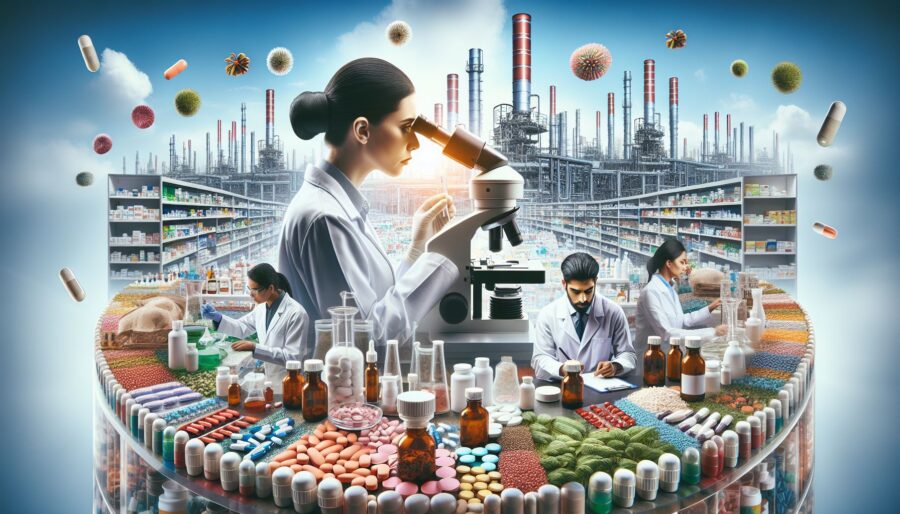
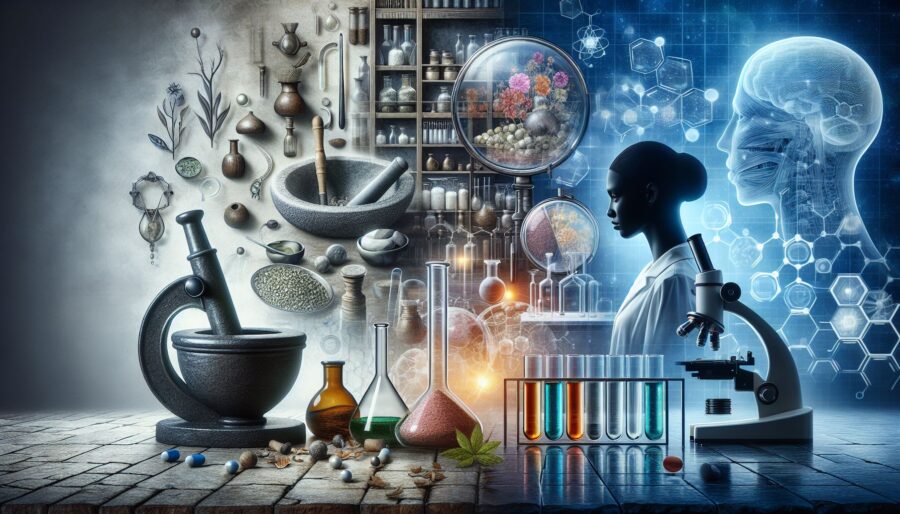
The pharmaceutical industry is a vast and ever-evolving field that plays a crucial role in improving the health and well-being of individuals worldwide. From developing life-saving medications to creating innovative treatments for various ailments, pharmaceutical companies are at the forefront of medical advancement.

In recent years, the pharmaceutical world has seen significant advancements in technology and research, leading to the discovery of new drugs and therapies. These breakthroughs have had a profound impact on the way diseases are treated and managed, offering hope to millions of patients around the globe.

One of the key challenges faced by pharmaceutical companies is the need to balance innovation with regulatory compliance. The process of bringing a new drug to market is lengthy and complex, requiring extensive testing and approval from regulatory agencies. This often involves navigating a web of regulations and guidelines to ensure the safety and efficacy of the medication.

Despite these challenges, the pharmaceutical industry continues to thrive, driven by the demand for new and effective treatments. Companies are constantly investing in research and development to stay ahead of the curve and bring new products to market. This commitment to innovation has led to the development of personalized medicine, targeted therapies, and other cutting-edge treatments that are revolutionizing the way we approach healthcare.

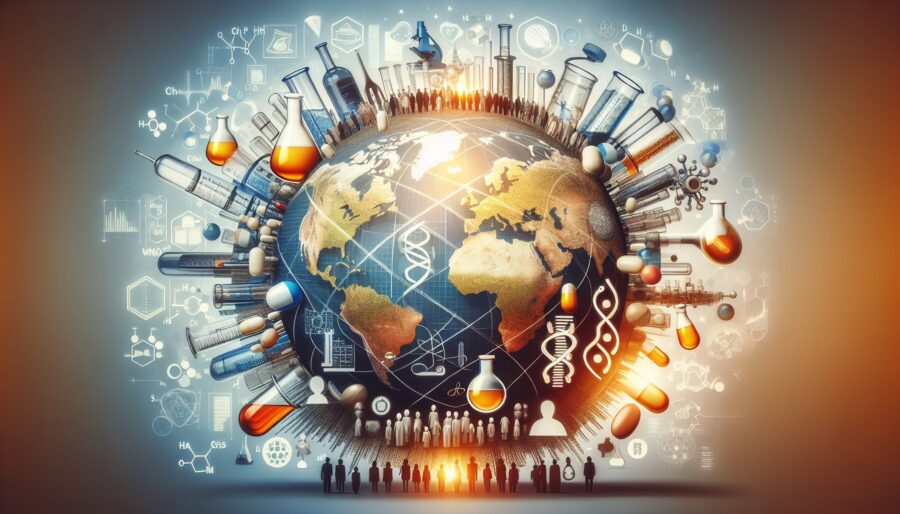
In addition to developing new medications, pharmaceutical companies also play a vital role in promoting public health and education. Many companies are involved in initiatives to raise awareness about various diseases and conditions, provide access to affordable medications, and support research into new treatment options. These efforts help to improve the quality of life for individuals and communities worldwide.

As we look to the future of the pharmaceutical world, it is clear that there are still many opportunities for growth and innovation. With the rise of precision medicine, artificial intelligence, and other cutting-edge technologies, the possibilities for improving healthcare are endless. By continuing to invest in research, collaboration, and patient care, the pharmaceutical industry will continue to make a positive impact on the world.

In conclusion, the pharmaceutical world is a dynamic and complex industry that plays a vital role in advancing healthcare and improving the lives of individuals. Through innovation, collaboration, and a commitment to quality and safety, pharmaceutical companies are driving the future of medicine forward. As we navigate the challenges and opportunities ahead, it is important to recognize the valuable contributions that the pharmaceutical industry makes to society as a whole.

The Dynamic World of Pharmaceuticals

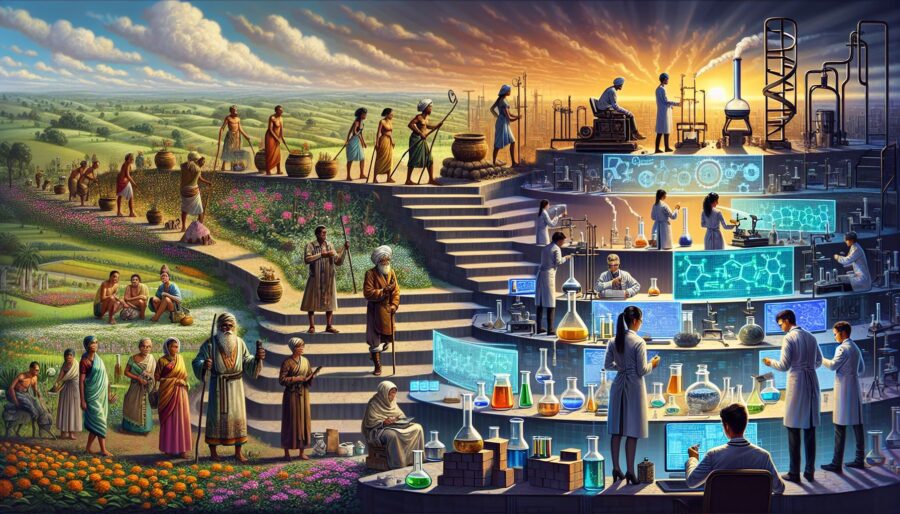
The pharmaceutical world is a dynamic and ever-changing industry that plays a crucial role in healthcare. From developing new drugs to ensuring their safety and efficacy, pharmaceutical companies are constantly working to improve the quality of life for people around the world.

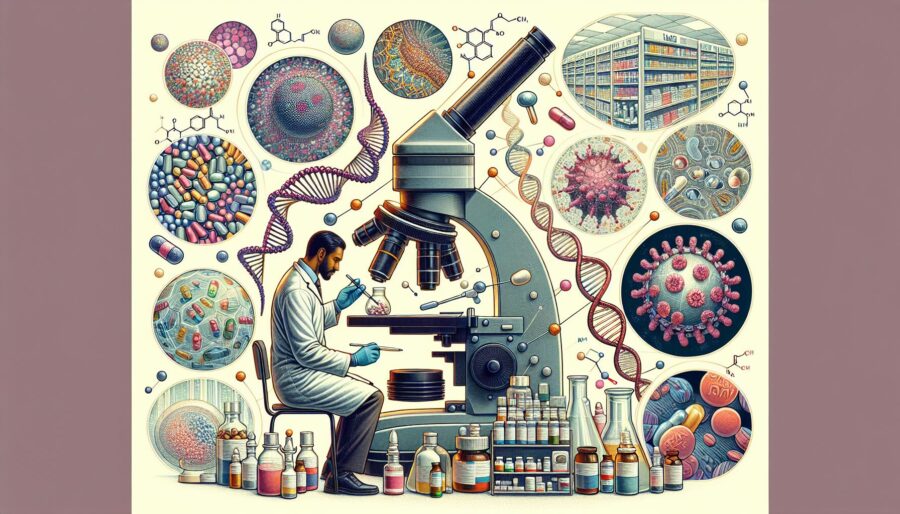
In recent years, there has been a lot of focus on research and development in the pharmaceutical industry. With advancements in technology and increased understanding of complex diseases, researchers are able to develop new drugs that target specific pathways and provide more targeted treatment options for patients.

One of the key challenges in the pharmaceutical world is ensuring that drugs are safe and effective for the people who use them. This requires rigorous testing and regulatory approval processes to ensure that drugs meet the highest standards of quality and are safe for use by patients.

In addition to developing new drugs, pharmaceutical companies also play a crucial role in educating healthcare professionals and patients about the benefits and risks of different medications. This helps to ensure that patients receive the right medication for their condition and understand how to take it correctly.

The pharmaceutical world is also facing challenges in terms of pricing and access to medications. With the rising costs of healthcare and the increasing demand for new drugs, pharmaceutical companies are under pressure to find ways to make medications more affordable and accessible to those who need them.

Despite these challenges, the pharmaceutical world continues to make great strides in developing new treatments for a wide range of diseases. From cancer to rare genetic disorders, pharmaceutical companies are working tirelessly to bring new drugs to market that can help improve the lives of patients and their families.

In conclusion, the pharmaceutical world is a complex and dynamic industry that plays a vital role in healthcare. Through research, development, and regulatory approval, pharmaceutical companies are able to develop new treatments that can make a real difference in the lives of patients. While there are challenges that need to be overcome, the pharmaceutical world continues to evolve and innovate to meet the needs of patients around the world.

The Evolving Landscape of the Pharmaceutical World

In recent years, the pharmaceutical world has seen significant advancements in technology, research, and innovation. These changes have not only transformed the way drugs are developed and marketed, but also have had a profound impact on patient care and outcomes.

With the advent of precision medicine and personalized therapies, pharmaceutical companies are now able to tailor treatments to individual patients based on their genetic makeup, lifestyle factors, and environmental influences. This approach has revolutionized the way diseases are diagnosed and treated, leading to more targeted and effective therapies.

Furthermore, the use of artificial intelligence and machine learning in drug discovery has accelerated the development of new medications and treatments. These technologies have enabled researchers to identify potential drug candidates more quickly and accurately, ultimately speeding up the drug development process and bringing new treatments to market faster.

In addition, the pharmaceutical industry has also made strides in improving access to medications for patients around the world. Through initiatives such as patient assistance programs and partnerships with non-profit organizations, pharmaceutical companies are working to ensure that patients have access to the medications they need, regardless of their ability to pay.

Despite these advancements, the pharmaceutical world is not without its challenges. Rising healthcare costs, regulatory hurdles, and increasing competition are just a few of the factors that pharmaceutical companies must navigate in order to succeed in the ever-changing healthcare landscape.

As we look towards the future, it is clear that the pharmaceutical world will continue to evolve and innovate in order to meet the needs of patients and healthcare providers. By embracing new technologies, focusing on patient-centric care, and collaborating with other stakeholders in the healthcare industry, pharmaceutical companies can continue to drive advancements in healthcare and improve patient outcomes.

In conclusion, the pharmaceutical world is a dynamic and ever-evolving industry that plays a crucial role in advancing healthcare around the world. Through innovation, collaboration, and a focus on patient care, pharmaceutical companies can continue to make a significant impact on the lives of patients and communities.

The Ever-Changing Landscape of the Pharmaceutical World

In a world where advancements in medicine and technology are constantly evolving, the pharmaceutical industry plays a crucial role in improving healthcare outcomes for individuals around the globe. From the development of life-saving drugs to the manufacturing of essential vaccines, pharmaceutical companies are at the forefront of innovation and research.

The pharmaceutical world is a complex and dynamic one, characterized by rapid changes in regulations, advancements in technology, and evolving market demands. Drug discovery and development are lengthy, costly processes that require careful planning and execution. From preclinical research to clinical trials and regulatory approval, every step in the pharmaceutical pipeline must be meticulously managed to ensure the safety and efficacy of new treatments.

One of the key challenges facing the pharmaceutical industry is balancing the need for innovation with the need for affordability and accessibility. As new treatments are developed, companies must navigate the complex web of regulations and pricing pressures to bring their products to market in a way that maximizes both patient outcomes and profitability.

Another key trend shaping the pharmaceutical landscape is the rise of personalized medicine. With advances in genetic testing and molecular diagnostics, healthcare providers are increasingly able to tailor treatments to the specific needs of individual patients. This precision medicine approach holds the promise of improved outcomes and reduced side effects, but also presents new challenges in terms of data management and regulatory compliance.

In addition to these challenges, the pharmaceutical industry is also facing increasing scrutiny and public pressure around issues such as drug pricing, transparency, and ethical marketing practices. As the cost of healthcare continues to rise, patients and policymakers are demanding greater accountability from pharmaceutical companies in terms of pricing practices and the promotion of their products.

Despite these challenges, the pharmaceutical industry remains a vital and innovative sector that continues to drive advancements in healthcare. From breakthrough therapies for rare diseases to new vaccines that protect against infectious diseases, pharmaceutical companies are dedicated to improving the lives of patients around the world.

In conclusion, the pharmaceutical world is a dynamic and ever-changing industry that plays a critical role in the advancement of healthcare. As new technologies and treatment approaches continue to emerge, pharmaceutical companies must adapt and innovate to meet the changing needs of patients and stakeholders. By focusing on patient outcomes, ethical practices, and innovation, the pharmaceutical industry can continue to make a positive impact on global health.

The Expansive World of Pharmaceuticals

The pharmaceutical industry is a dynamic and ever-changing world that plays a crucial role in the healthcare system. From the development of new medications to the regulation of their distribution, pharmaceutical companies have a significant impact on the well-being of individuals worldwide.

In the pharmaceutical world, research and development are key components in creating new medications to treat various illnesses and diseases. Scientists work tirelessly to discover new molecules that have the potential to alleviate suffering and improve quality of life for patients. This process involves rigorous testing and clinical trials to ensure the safety and efficacy of the medications being produced.

Once a medication has been approved for use, pharmaceutical companies must navigate a complex web of regulations and guidelines to bring their product to market. This involves securing patents, obtaining regulatory approvals, and establishing distribution networks to ensure that their medications reach those in need.

However, the pharmaceutical world is not without its challenges. The rising costs of healthcare and the increasing demand for innovative treatments have put pressure on pharmaceutical companies to deliver new medications quickly and efficiently. In addition, issues such as counterfeit medications and drug shortages can threaten the integrity of the industry and compromise patient safety.

Despite these challenges, the pharmaceutical world continues to evolve and adapt to meet the needs of patients. Advances in technology have enabled the development of new, more effective medications, while partnerships between pharmaceutical companies and healthcare providers have improved access to treatments for a wide range of conditions.

In conclusion, the pharmaceutical world is a complex and multifaceted industry that plays a vital role in the healthcare system. From the research and development of new medications to their distribution and regulation, pharmaceutical companies work tirelessly to improve the lives of patients worldwide. By navigating the challenges and embracing the opportunities that come their way, pharmaceutical companies continue to make a positive impact on the health and well-being of individuals around the globe.

The Evolving Landscape of the Pharmaceutical World

In recent years, the pharmaceutical industry has seen massive growth and transformation. With advancements in technology, increased research and development, and a growing global demand for healthcare solutions, the pharmaceutical world is constantly evolving to meet the needs of patients worldwide.

One of the key drivers of this evolution is the increasing focus on personalized medicine. Instead of adopting a one-size-fits-all approach, pharmaceutical companies are now leveraging genetic and molecular data to tailor treatments to individual patients. This shift towards personalized medicine has the potential to revolutionize healthcare by improving patient outcomes and reducing the risk of adverse reactions.

Another trend that is shaping the pharmaceutical world is the rise of digital health solutions. From telemedicine to wearable devices that monitor health metrics, technology is playing a crucial role in improving patient care and enhancing the efficiency of healthcare delivery. Pharmaceutical companies are increasingly investing in digital health initiatives to better connect with patients and caregivers, streamline clinical trials, and accelerate the development of new therapies.

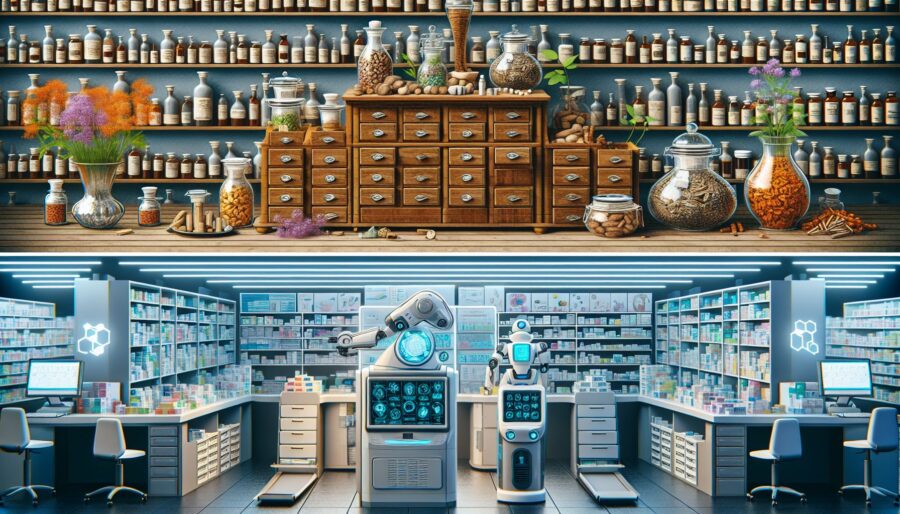
Furthermore, the pharmaceutical world is also witnessing a wave of innovation in drug development and manufacturing. Advancements in biotechnology, artificial intelligence, and automation are enabling companies to discover and produce new drugs at a much faster pace than ever before. This accelerated pace of innovation has the potential to bring life-saving treatments to market quicker and address unmet medical needs more effectively.

However, with these advancements come new challenges for the pharmaceutical industry. The rising costs of drug development, regulatory hurdles, and increased competition are putting pressure on companies to adapt and innovate. Moreover, concerns around drug pricing and access to healthcare continue to be major issues that the industry must address.

In conclusion, the pharmaceutical world is undergoing a period of significant transformation driven by advancements in personalized medicine, digital health solutions, and drug development and manufacturing. As the industry continues to evolve, it is crucial for pharmaceutical companies to prioritize innovation, collaboration, and patient-centricity to meet the healthcare needs of a rapidly changing world. By embracing these challenges and opportunities, the pharmaceutical industry has the potential to bring about groundbreaking advancements in healthcare and improve the lives of patients worldwide.

The Evolving Landscape of the Pharmaceutical World

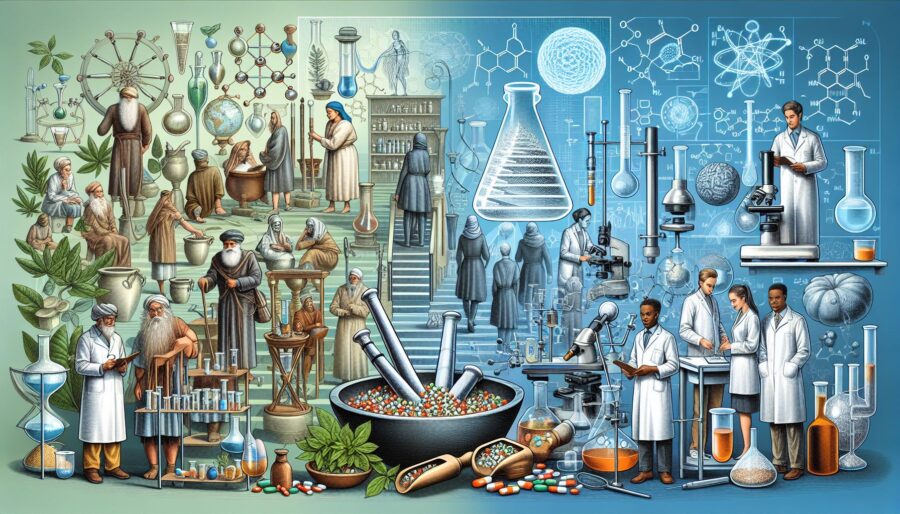
In recent years, the pharmaceutical industry has seen significant advancements and changes in the way drugs are discovered, developed, and brought to market. With the rise of technology and innovation, the landscape of the pharmaceutical world has evolved dramatically, leading to improved treatment options for patients worldwide.

One of the major advancements in the pharmaceutical world is the development of precision medicine. This approach involves tailoring treatments to individual patients based on their genetic makeup, lifestyle, and specific disease characteristics. By targeting treatments to patients who are most likely to benefit, precision medicine has the potential to improve outcomes and reduce side effects.

In addition to precision medicine, there have been significant strides in the development of biologics and gene therapies. These cutting-edge treatments use living organisms or their components to target specific diseases and conditions, providing new options for patients with previously untreatable conditions. These therapies have the potential to revolutionize the way we approach healthcare and offer hope to those who have been previously without treatment options.

Furthermore, the pharmaceutical industry has made great progress in the field of artificial intelligence and machine learning. These technologies are being used to analyze vast amounts of data and identify potential drug targets, speeding up the drug discovery process and reducing the time and cost associated with bringing new drugs to market. This has the potential to accelerate the development of new treatments and improve patient outcomes.

Despite these advancements, the pharmaceutical world also faces challenges, such as rising drug prices, regulatory hurdles, and the threat of counterfeit medications. As the industry continues to evolve, it is important for pharmaceutical companies to prioritize patient safety, transparency, and access to affordable medications.

In conclusion, the pharmaceutical world is experiencing a period of rapid change and innovation. With advancements in precision medicine, biologics, gene therapies, and the use of artificial intelligence, the industry is better positioned than ever to develop new treatments and improve patient outcomes. However, it is crucial for pharmaceutical companies to navigate these changes with a focus on patient safety, affordability, and transparency. By doing so, we can ensure that patients around the world have access to the best possible treatments for their health conditions.

The Complex World of Pharmaceuticals

In today’s fast-paced world, the pharmaceutical industry is constantly evolving to meet the demands of a growing global population. From the development of new drugs to the regulation of existing medications, the world of pharmaceuticals is complex and ever-changing.

The pharmaceutical industry plays a crucial role in healthcare, providing essential medications to treat a wide range of conditions and diseases. Pharmaceutical companies invest billions of dollars each year in research and development to discover new drugs and improve existing medications. This research is essential for finding new treatments for diseases such as cancer, diabetes, and heart disease.

However, the pharmaceutical industry is not without its challenges. One of the biggest challenges facing pharmaceutical companies is the lengthy and expensive process of bringing a new drug to market. From initial research and development to clinical trials and regulatory approval, the process can take years and cost billions of dollars. In addition, there is always a risk that a new drug will not be successful or will have unexpected side effects, leading to further costs and delays.

Another challenge facing the pharmaceutical industry is the growing demand for affordable medications. As healthcare costs continue to rise, patients and healthcare providers are increasingly looking for ways to reduce the cost of medications. This has led to a rise in generic drugs, which are cheaper alternatives to brand-name medications. However, even generic medications can be expensive, leading some patients to go without essential treatments.

Despite these challenges, the pharmaceutical industry continues to innovate and develop new therapies to improve patient outcomes. From breakthrough treatments for rare diseases to vaccines that prevent deadly infections, pharmaceutical companies are constantly pushing the boundaries of medical science.

In conclusion, the pharmaceutical industry is a complex and vital part of the healthcare system. While it faces challenges such as high costs and increasing demand for affordable medications, the industry continues to innovate and develop new treatments to improve patient health. By investing in research and development and working to make medications more affordable, pharmaceutical companies are helping to improve the lives of people around the world.

The Ever-Evolving World of Pharmaceuticals

The pharmaceutical industry is a critical component of modern society, playing a vital role in the research, development, manufacturing, and distribution of medications that improve and save lives. It is an ever-evolving world that constantly pushes the boundaries of scientific innovation to meet the growing healthcare needs of the global population.

In the past few decades, we have seen significant advancements in pharmaceuticals, with the development of groundbreaking drugs that have revolutionized the treatment of various diseases. From antibiotics to vaccines to cancer treatments, the pharmaceutical industry has made tremendous strides in improving healthcare outcomes and enhancing quality of life for millions of people.

One of the key drivers of innovation in the pharmaceutical world is research and development. Pharmaceutical companies invest billions of dollars each year in research to discover new drugs and treatments for a wide range of diseases and conditions. This research often involves collaboration with academic institutions, government agencies, and other partners to bring new treatments to market.

In addition to research and development, the pharmaceutical industry also plays a crucial role in manufacturing and distribution. Pharmaceutical companies must adhere to strict regulations and quality standards to ensure the safety and efficacy of their products. This involves rigorous testing, quality control measures, and compliance with regulatory requirements set forth by health authorities around the world.

The pharmaceutical world is also constantly evolving in response to emerging healthcare challenges and trends. For example, the rise of personalized medicine and precision medicine has led to a shift towards more targeted treatments tailored to individual patients based on their genetic makeup and other factors. This personalized approach has the potential to revolutionize healthcare by improving treatment outcomes and reducing side effects.

Despite the many advancements in pharmaceuticals, the industry also faces challenges such as drug pricing, access to medicines, and regulatory hurdles. The high cost of some medications can pose a barrier to access for patients, especially in developing countries where healthcare resources may be limited. Additionally, navigating the complex regulatory landscape can be a daunting task for pharmaceutical companies seeking to bring new drugs to market.

In conclusion, the pharmaceutical world is a dynamic and captivating industry that is driven by a commitment to improving human health and well-being. From research and development to manufacturing and distribution, pharmaceutical companies play a crucial role in bringing life-saving medications to patients around the world. As technology advances and healthcare needs evolve, the pharmaceutical industry will continue to innovate and adapt to meet the challenges of the future.

The Revolutionary World of Pharmaceutical Industry

The pharmaceutical industry plays a crucial role in the healthcare sector by researching, developing, and manufacturing life-saving drugs. With advancements in technology and research, this industry has revolutionized the way we treat diseases and has saved countless lives worldwide.

The pharmaceutical industry is constantly evolving, with new drugs being developed to combat various diseases and conditions. From antibiotics to vaccines to cancer treatments, the pharmaceutical industry has made significant contributions to the field of medicine. The industry relies on rigorous testing, trials, and regulations to ensure the safety and efficacy of any medication before it reaches the market.

One of the most significant achievements of the pharmaceutical industry is the development of vaccines. Vaccines have eradicated deadly diseases like smallpox and polio and have significantly reduced the prevalence of other infectious diseases. Vaccines have played a crucial role in preventing outbreaks and saving millions of lives.

In addition to vaccines, the pharmaceutical industry has made significant advancements in the treatment of chronic diseases like cancer, diabetes, and heart disease. New treatments and therapies are constantly being developed to improve the quality of life for patients and extend their life expectancy. These advancements would not be possible without the dedication and hard work of researchers, scientists, and healthcare professionals in the pharmaceutical industry.

Despite the contributions of the pharmaceutical industry to improving healthcare outcomes, there are challenges that it faces. The industry is heavily regulated, with strict guidelines and procedures in place to ensure the safety of medications. This can sometimes lead to lengthy and costly development processes for new drugs. Additionally, the industry faces criticism for high drug prices, access to medication in low-income countries, and patent protection issues.

In conclusion, the pharmaceutical industry is a groundbreaking and vital sector in healthcare that continues to make significant contributions to improving the quality of life for patients worldwide. Through research, innovation, and dedication, the industry has developed life-saving drugs, treatments, and therapies that have revolutionized the way we treat diseases. Despite challenges, the pharmaceutical industry remains an essential player in healthcare and will continue to shape the future of medicine.

Page 14 of 36

Powered by WordPress & Theme by Anders Norén