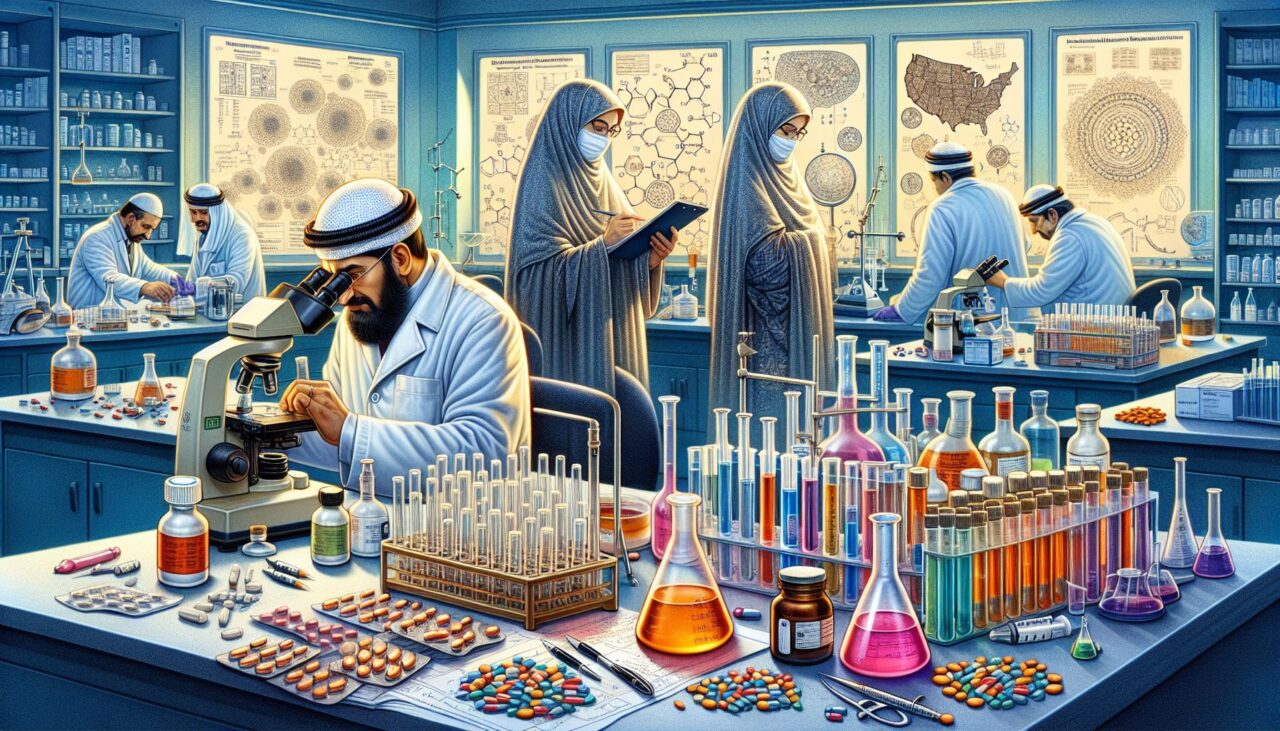
Pharmaceuticals form an integral part of modern healthcare, playing a crucial role in combating diseases and improving the quality of life for millions of people worldwide. This captivating industry combines innovation, scientific discoveries, and stringent regulations to develop and produce drugs that save lives. In this blog post, we will delve into the intriguing world of pharmaceuticals, exploring its vast scope and the impact it has on society.
The Beginning of Pharmaceuticals
The history of pharmaceuticals dates back thousands of years, with early civilizations using plants and herbs for medicinal purposes. Over time, advances in scientific knowledge led to the development of more effective drugs. In the late 18th century, the field of pharmaceuticals saw a significant breakthrough with the discovery of the active ingredient in willow bark, which later became the potent pain reliever known as aspirin. Since then, pharmaceutical research and development have continued to flourish, giving rise to countless life-saving and life-enhancing medications.
Pharmaceuticals Today
Today, the pharmaceutical industry is a thriving sector, characterized by intense research, cutting-edge technology, and global collaboration. Pharmaceutical companies invest substantial resources into the discovery, development, and manufacturing of new drugs, often requiring long and intricate processes. These include preclinical and clinical trials, regulatory approvals, and rigorous quality control measures to ensure safety and efficacy.
Pharmaceutical Research and Development (R&D)
Pharmaceutical research plays a pivotal role in expanding our understanding of diseases and finding novel treatments. Brilliant scientists and researchers work tirelessly to uncover the mysteries behind various ailments and discover new therapeutic approaches. From designing molecules in laboratories to testing their effects on living organisms, pharmaceutical R&D is a dynamic and ever-evolving process that can span several years.
Pharmaceutical Manufacturing
Once a drug successfully completes the research and development phase, it enters the manufacturing stage. Pharmaceutical manufacturing requires sophisticated equipment and strict adherence to quality control protocols. While some drugs are relatively simple to produce, others demand complex manufacturing techniques, such as biotechnology or sterile manufacturing processes. Maintaining high standards throughout manufacturing ensures that the end product is safe, effective, and of the highest quality.
Pharmaceuticals and Society
The impact of pharmaceuticals on society cannot be overstated. Medications have revolutionized healthcare by curbing the spread of diseases, extending survival rates, and improving the overall well-being of individuals. From antibiotics to treat infections to medications for chronic conditions like diabetes or hypertension, pharmaceuticals have become an indispensable part of healthcare systems worldwide.
Conclusion
The pharmaceutical world is a captivating realm where science, technology, and medicine converge. It drives innovation, pushing the boundaries of what is possible in healthcare. With the continuous development of novel drugs and breakthrough therapies, the future of pharmaceuticals holds great promise for the betterment of society. Through relentless research and dedication, this industry will continue to transform the lives of countless individuals, making it one of the most essential and fascinating fields in the world.