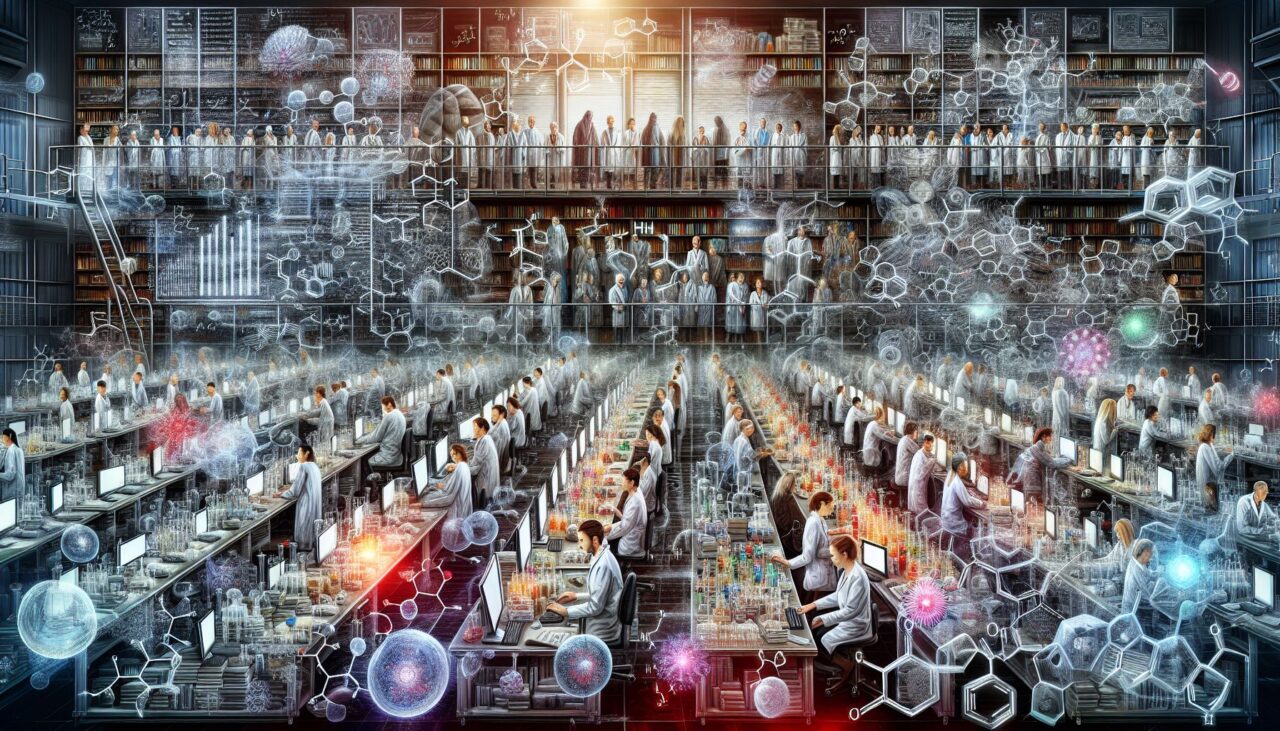
The pharmaceutical industry plays a crucial role in the health and well-being of society. From the development of new drugs to the regulation of existing medications, the pharmaceutical world is constantly evolving to meet the needs of patients and healthcare providers.
In recent years, technological advancements have revolutionized the way drugs are developed and tested. With the use of artificial intelligence and big data analytics, researchers can now identify potential drug candidates more efficiently than ever before. This has significantly decreased the time and cost associated with bringing a new drug to market.
Additionally, the rise of precision medicine has paved the way for personalized treatment plans based on a patient’s unique genetic makeup. This approach has the potential to revolutionize the way we treat diseases, offering a more targeted and effective approach to medication.
Furthermore, the pharmaceutical industry has also made significant strides in the realm of biologics and gene therapy. These cutting-edge treatments have the potential to cure diseases that were once considered untreatable, offering hope to patients with rare and life-threatening conditions.
However, with great advancements come great challenges. The rising costs of prescription drugs have become a major concern for many patients, leading to debates about accessibility and affordability. Pharmaceutical companies must strike a balance between innovation and sustainability to ensure that life-saving treatments remain accessible to those who need them.
Moreover, the industry faces increasing pressure to enhance transparency and ethical practices. The public scrutiny of pharmaceutical companies’ marketing tactics and pricing strategies has prompted calls for greater accountability and responsibility in the industry.
As we look towards the future, it is clear that the pharmaceutical world will continue to evolve and adapt to meet the ever-changing needs of society. By embracing innovation, fostering collaboration, and prioritizing patient outcomes, the industry can continue to drive progress and make a positive impact on global health.
In conclusion, the pharmaceutical world is a dynamic and critical component of our healthcare system. With ongoing advancements in technology and research, the industry is poised to make significant strides in improving patient outcomes and addressing unmet medical needs. By navigating the challenges and opportunities ahead, the pharmaceutical industry has the potential to shape the future of healthcare for years to come.