Month: October 2024 Page 3 of 4

Exploring the Dynamic World of Pharmaceuticals

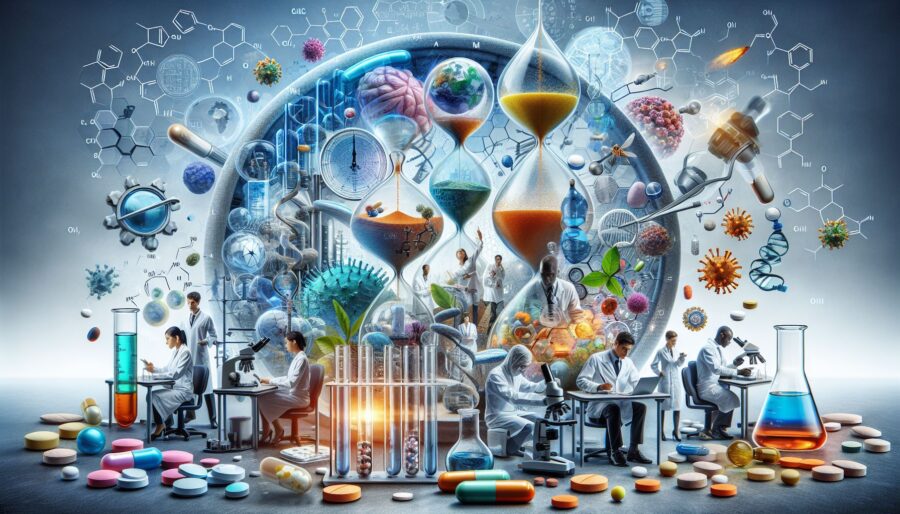
The pharmaceutical industry is a vast and complex world that plays a crucial role in the health and well-being of people around the globe. From researching and developing new medications to ensuring their safety and efficacy, pharmaceutical companies are constantly striving to innovate and improve the quality of healthcare for all.

In recent years, the pharmaceutical industry has experienced rapid growth and advancements in technology. This has led to the development of cutting-edge treatments for a wide range of diseases and medical conditions. These advancements have not only improved the quality of life for many individuals but have also extended life expectancy and reduced mortality rates.

One of the key challenges facing the pharmaceutical industry is the rising cost of healthcare and medication. As the demand for novel treatments continues to grow, pharmaceutical companies are under pressure to develop cost-effective drugs without compromising on quality or safety. This has sparked a debate on the affordability and accessibility of healthcare, especially for those in underserved communities.

Another major issue facing the pharmaceutical world is the rise of counterfeit medications. With the increasing demand for certain drugs, counterfeiters are producing fake medications that pose a serious risk to public health. Pharmaceutical companies are working diligently to combat this issue through improved packaging and tracking technologies to ensure the authenticity of their products.

Despite these challenges, the pharmaceutical industry continues to thrive and evolve. As more research and funding are dedicated to finding cures for various diseases, the potential for breakthroughs in medicine is limitless. From personalized medicine to gene therapy, the future of pharmaceuticals holds exciting possibilities that could revolutionize the way we treat and prevent illnesses.

In conclusion, the pharmaceutical world is a dynamic and ever-changing industry that plays a vital role in healthcare. With ongoing advancements in research and technology, pharmaceutical companies are at the forefront of innovation, developing new treatments and therapies to improve the quality of life for millions of people. While there are challenges to overcome, the potential for growth and discovery in the pharmaceutical industry is truly limitless. As we continue to explore and adapt to the evolving landscape of healthcare, the future of pharmaceuticals looks brighter than ever.

The Fascinating World of Pharmaceuticals

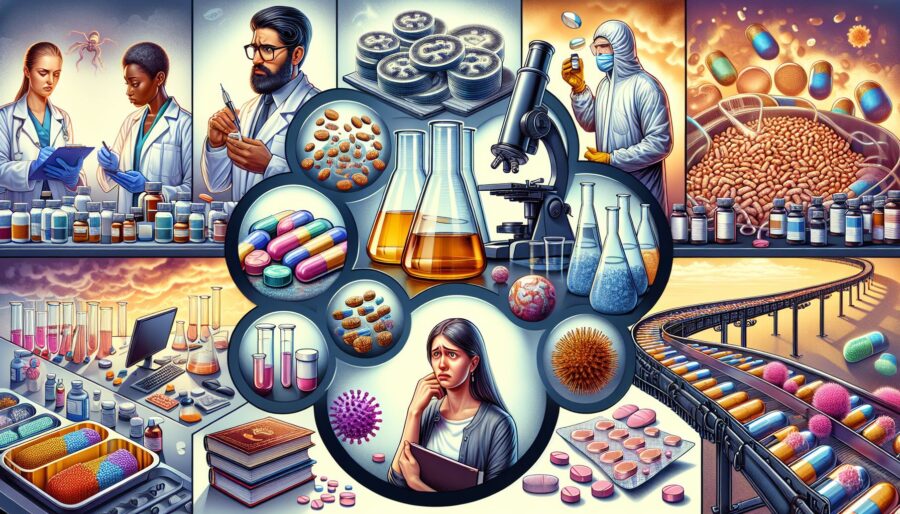
The pharmaceutical industry is constantly evolving and developing new treatments to improve the health and well-being of people around the world. From the discovery of new drugs to the regulation of their use, there are many different aspects to consider when delving into the world of pharmaceuticals.

Discovery and Development

One of the most intriguing parts of the pharmaceutical world is the discovery and development of new drugs. Researchers are constantly working to identify compounds that have the potential to treat a wide range of illnesses and conditions. This process can take years of research and testing before a new drug is approved for use in patients. From initial discovery in the lab to clinical trials in humans, the journey of a new drug is a complex and fascinating one.

Regulation and Approval

Once a new drug has been developed, it must go through a rigorous process of regulation and approval before it can be prescribed to patients. Regulatory agencies such as the Food and Drug Administration (FDA) in the United States evaluate the safety and effectiveness of new drugs to ensure that they are safe and beneficial for patients. This process can take several years and involves a careful assessment of the risks and benefits of each new drug.

Marketing and Distribution

After a new drug has been approved, pharmaceutical companies must work on marketing and distributing the product to healthcare providers and patients. This involves educating doctors and other healthcare professionals about the drug and its uses, as well as promoting it to the general public. It is important for pharmaceutical companies to communicate clearly and effectively about the benefits and risks of their products to ensure that they are used appropriately.

Conclusion

The world of pharmaceuticals is a fascinating and complex one, with many different aspects to consider. From the discovery and development of new drugs to the regulation and approval process, there are many steps involved in bringing a new drug to market. It is important for researchers, regulators, and pharmaceutical companies to work together to ensure that new drugs are safe and effective for patients. By understanding the different aspects of the pharmaceutical world, we can all play a role in promoting the health and well-being of people around the world.

The Ever-evolving World of Pharmaceuticals

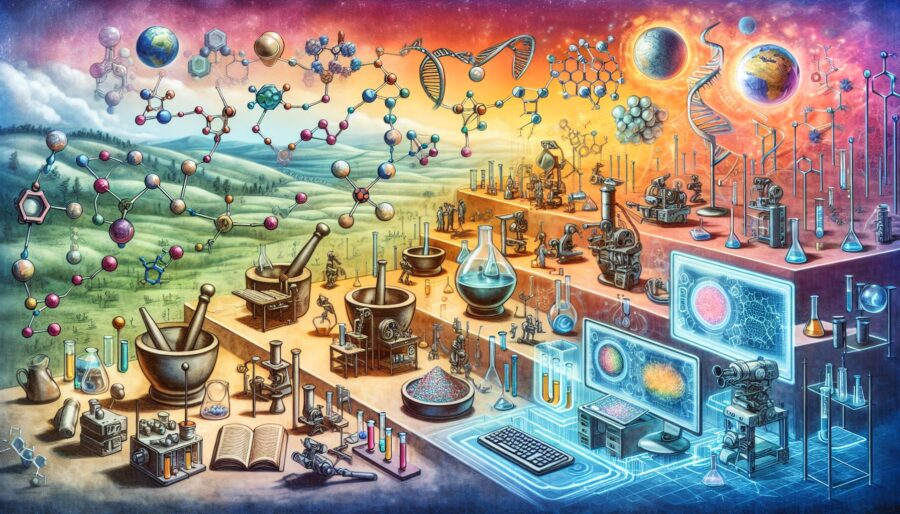
Pharmaceuticals have been an intrinsic part of human society for centuries, with the goal of treating and preventing various illnesses and diseases. The field of pharmaceuticals is constantly evolving, with new drugs and treatments being developed to address the ever-changing healthcare landscape.

In recent years, advancements in technology and research have led to groundbreaking discoveries in the pharmaceutical world. From new treatment options for cancer to innovative vaccines for infectious diseases, the possibilities seem endless. These developments have not only improved the quality of life for millions of people but have also paved the way for a healthier and more sustainable future.

One of the most significant advancements in the field of pharmaceuticals is the use of precision medicine. This approach focuses on tailoring treatment plans to individual patients based on their genetic makeup, lifestyle, and environment. By taking a personalized approach to healthcare, precision medicine has the potential to revolutionize the way diseases are treated and managed.

Another key trend in the pharmaceutical world is the rise of biopharmaceuticals. These drugs are derived from living organisms, such as bacteria, yeast, or animals, and are used to treat a wide range of medical conditions. Biopharmaceuticals have shown great promise in treating complex diseases, such as cancer and autoimmune disorders, and are expected to play a crucial role in the future of healthcare.

While the pharmaceutical industry continues to make strides in developing new and innovative treatments, it also faces challenges such as rising costs and regulatory hurdles. The cost of developing and bringing a new drug to market can be exorbitant, leading to high prices that are often out of reach for many patients. Additionally, stringent regulations and approval processes can slow down the pace of innovation and limit access to life-saving medications.

Despite these challenges, the pharmaceutical world remains a dynamic and rapidly evolving field. As researchers, scientists, and healthcare professionals continue to collaborate and push the boundaries of what is possible, the future of pharmaceuticals looks brighter than ever. With continued investment in research and development, as well as a focus on patient-centered care, the pharmaceutical industry is poised to make even greater strides in the years to come.
In conclusion, the world of pharmaceuticals is ever-evolving, with new drugs, treatments, and technologies constantly being developed to improve the health and well-being of individuals worldwide. While challenges exist, the potential for innovation and impact in the pharmaceutical world is limitless. As we look to the future, it is important to continue supporting and investing in the field of pharmaceuticals to ensure a healthier and more sustainable world for generations to come.

The Dynamics of the Pharmaceutical World

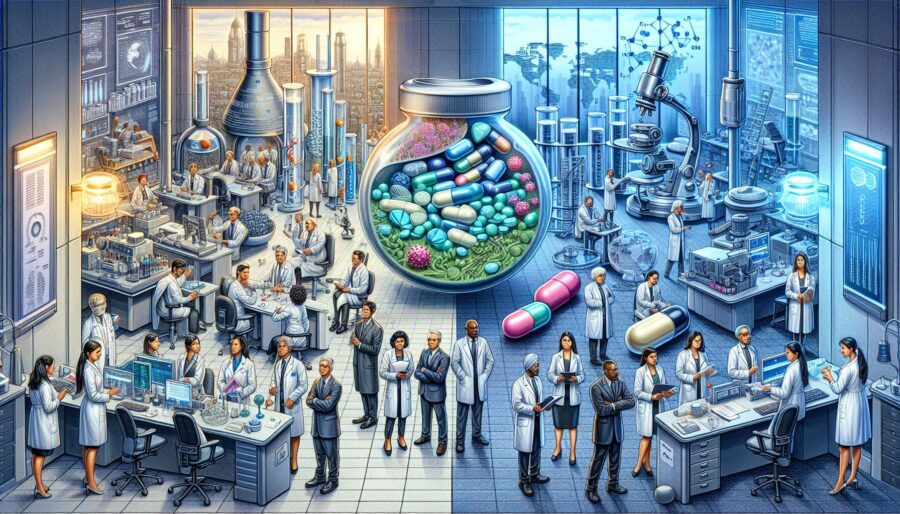
The pharmaceutical industry plays a crucial role in the healthcare sector, responsible for discovering, developing, and producing medications to improve people’s health and well-being. With constant advancements in technology and research, the pharmaceutical world is constantly evolving to meet the changing needs of patients worldwide.

The pharmaceutical industry is known for its innovative research and development processes that lead to the creation of new drugs and treatments for various diseases and conditions. Pharmaceutical companies invest significant resources in researching and testing new medications to ensure their safety and efficacy before they reach the market.

One of the key challenges in the pharmaceutical world is the process of drug regulation and approval. Regulatory authorities such as the Food and Drug Administration (FDA) in the United States and the European Medicines Agency (EMA) in Europe play a critical role in ensuring that new drugs meet stringent safety and quality standards before they can be prescribed to patients.

In recent years, the pharmaceutical industry has seen a rise in the development of biopharmaceuticals, or biologics, which are derived from living organisms and are used to treat a wide range of diseases, including cancer, autoimmune disorders, and rare genetic conditions. Biopharmaceuticals offer new therapeutic options for patients and have the potential to revolutionize the way we treat illnesses.

The pharmaceutical world is also witnessing significant changes in the way medications are manufactured and distributed. With the advent of digital technologies and automation, pharmaceutical companies are exploring new ways to streamline their production processes and improve efficiency in drug manufacturing. Additionally, advancements in logistics and supply chain management are helping companies deliver medications to patients more quickly and reliably.

In conclusion, the pharmaceutical world is a dynamic and fast-paced industry that is constantly evolving to meet the healthcare needs of patients around the world. With ongoing research and development efforts, regulatory oversight, and technological advancements, the pharmaceutical industry continues to play a vital role in improving health outcomes and enhancing the quality of life for millions of people. By staying at the forefront of innovation and embracing new technologies, the pharmaceutical industry will continue to drive progress in healthcare and make a positive impact on society as a whole.

The Ever-Evolving World of Pharmaceuticals

In today’s rapidly advancing world, the pharmaceutical industry stands as a key player in contributing to the overall well-being of society. From developing life-saving medications to tackling global health challenges, the pharmaceutical world is constantly evolving to meet the ever-changing needs of patients worldwide.

The pharmaceutical industry plays a crucial role in researching, creating, and manufacturing drugs that help prevent, treat, and cure various diseases and conditions. With advancements in technology and medical research, pharmaceutical companies are continuously striving to innovate and develop new medications that can improve the quality of life for individuals around the world.

One of the most significant challenges facing the pharmaceutical industry is the need to balance innovation with accessibility. While groundbreaking medications are being developed every day, ensuring that these drugs are affordable and accessible to those who need them remains a priority. Pharmaceutical companies are constantly working to strike this balance by investing in research and development while also seeking ways to lower the cost of medications for patients.

Another important aspect of the pharmaceutical world is the regulation and oversight of drug manufacturing and distribution. Government agencies such as the Food and Drug Administration (FDA) play a crucial role in ensuring that medications are safe, effective, and manufactured in accordance with strict standards. By setting guidelines and monitoring compliance, regulatory bodies help maintain the integrity of the pharmaceutical industry and protect the health and well-being of patients.

In recent years, the pharmaceutical industry has also been at the forefront of addressing global health challenges, such as the COVID-19 pandemic. Pharmaceutical companies have played a vital role in developing vaccines and treatments to combat the spread of the virus and protect populations around the world. Through collaboration with governments, healthcare providers, and other stakeholders, the pharmaceutical industry continues to work towards finding solutions to pressing health issues.

In conclusion, the pharmaceutical world is a dynamic and vital component of our healthcare system. With a focus on innovation, accessibility, and regulatory compliance, pharmaceutical companies are committed to improving the health and well-being of individuals worldwide. As advancements in technology and medical research continue to drive progress in the industry, the future of pharmaceuticals holds great promise for the continued development of life-saving medications and treatments.

The Evolving Landscape of the Pharmaceutical World

The pharmaceutical industry plays a crucial role in our society by developing, manufacturing, and distributing life-saving medications. Over the years, this industry has evolved significantly, with advancements in technology, regulatory changes, and increasing global demand for innovative treatments. In this blog post, we will explore how the pharmaceutical world is constantly changing and how these changes impact patient care and medical advancements.

Introduction

The pharmaceutical world is a complex and dynamic industry that is constantly evolving. From the discovery of new drugs to the delivery of medications to patients, the pharmaceutical industry is at the forefront of medical innovation. With advancements in technology and an increasing focus on personalized medicine, the opportunities for growth and development in this industry are endless.

Body

One of the key trends shaping the pharmaceutical world is the rise of personalized medicine. This approach to healthcare involves tailoring medical treatment to an individual’s unique genetic makeup, lifestyle, and environment. By leveraging technologies such as genetic testing and data analytics, pharmaceutical companies can develop targeted therapies that are more effective and have fewer side effects. This shift towards personalized medicine has the potential to revolutionize the way we treat diseases and improve patient outcomes.

Another important trend in the pharmaceutical world is the increasing focus on patient-centric care. With consumers having more access to information and taking a more active role in their healthcare decisions, pharmaceutical companies are placing a greater emphasis on understanding the needs and preferences of patients. This has led to the development of patient support programs, digital health solutions, and other initiatives aimed at enhancing the patient experience and improving medication adherence.

Regulatory changes also play a significant role in shaping the pharmaceutical world. As governments around the world strengthen regulations to ensure the safety and effectiveness of medications, pharmaceutical companies must navigate complex compliance requirements and demonstrate evidence of the value of their products. This has led to increased collaboration between industry stakeholders, regulatory bodies, and healthcare providers to streamline the drug development process and bring innovative treatments to market more quickly.

Conclusion

In conclusion, the pharmaceutical world is a dynamic and evolving industry that is constantly adapting to new challenges and opportunities. From personalized medicine to patient-centric care, regulatory changes to technological advancements, the landscape of the pharmaceutical industry is changing rapidly. As we look towards the future, it is clear that the pharmaceutical world will continue to play a critical role in improving patient care and advancing medical science. By embracing innovation, collaboration, and a patient-centered approach, pharmaceutical companies can drive positive change and make a meaningful impact on global health.

The Ever-growing World of Pharmaceutical Industry

The pharmaceutical industry plays a crucial role in the healthcare sector by researching, developing, manufacturing, and distributing medications to people around the world. With the advancement of science and technology, the world of pharmaceuticals is constantly evolving and expanding to meet the ever-increasing demands of the global population.

In recent years, we have seen a significant increase in the number of pharmaceutical companies, as well as the variety of drugs available in the market. This growth can be attributed to the rising prevalence of chronic diseases, aging populations, and the need for innovative treatments for various health conditions.

One of the key trends in the pharmaceutical industry is personalized medicine, which focuses on tailoring medical treatments to individual patients based on their genetic makeup, lifestyle, and other factors. This approach allows for more precise and effective treatments, ultimately leading to better health outcomes for patients.

Another important aspect of the pharmaceutical world is the increasing emphasis on research and development. Companies are investing heavily in R&D to discover new drugs, improve existing medications, and find breakthrough treatments for diseases that currently have limited options. This dedication to innovation is driving the industry forward and bringing hope to patients with previously untreatable conditions.

In addition to developing new drugs, pharmaceutical companies are also exploring new technologies such as artificial intelligence, machine learning, and big data analytics to improve drug discovery, clinical trials, and patient care. These advancements have the potential to revolutionize the way healthcare is delivered and pave the way for more personalized and effective treatments.

Despite the many advancements in the pharmaceutical industry, there are also challenges that companies must navigate. These include regulatory hurdles, pricing pressures, intellectual property issues, and the need to demonstrate the safety and efficacy of new medications. Companies must balance these challenges with the need to deliver innovative therapies that can improve the lives of patients.

In conclusion, the pharmaceutical industry is a dynamic and ever-evolving field that plays a vital role in the healthcare ecosystem. With a focus on research, innovation, and personalized medicine, companies are striving to develop new and improved treatments for a wide range of health conditions. By harnessing the power of technology and science, the pharmaceutical world has the potential to transform healthcare and improve outcomes for patients worldwide.

Exploring the Complexities of the Pharmaceutical World

The pharmaceutical world is a vast and complex industry that plays a crucial role in the healthcare system. From developing life-saving medications to conducting clinical trials, this space is constantly evolving and advancing. In this article, we will delve into the intricacies of the pharmaceutical world and shed light on the processes, challenges, and innovations that shape this dynamic field.

The Body of the Article

The pharmaceutical industry is a highly regulated sector that requires extensive research, testing, and validation before a drug can be brought to market. Pharmaceutical companies invest significant resources in drug discovery and development, often spending years and millions of dollars to bring a new medication from concept to commercialization. This process involves rigorous testing for safety, efficacy, and quality, as well as obtaining regulatory approval from governing bodies such as the Food and Drug Administration (FDA).

Clinical trials are a critical component of the pharmaceutical world, serving as the primary means of evaluating the safety and effectiveness of new medications. These trials involve testing the drug on human subjects in controlled settings to assess its impact on various health conditions. The results of these trials inform decision-making around drug development and regulatory approval, ultimately determining whether a medication is deemed safe and effective for public use.

Despite the advancements in pharmaceutical research and development, the industry faces numerous challenges that can hinder progress and innovation. These challenges include rising costs of drug development, increased regulatory scrutiny, and global health crises such as the COVID-19 pandemic. Pharmaceutical companies must navigate these obstacles while balancing the need for innovation, affordability, and accessibility in healthcare.

In recent years, the pharmaceutical world has seen remarkable advancements in areas such as precision medicine, immunotherapy, and gene therapy. These breakthroughs have revolutionized the treatment of various diseases and opened up new possibilities for personalized healthcare. As technology continues to evolve, pharmaceutical companies are leveraging data analytics, artificial intelligence, and other tools to streamline drug discovery, improve patient outcomes, and drive innovation in the industry.

Conclusion

The pharmaceutical world is a dynamic and evolving space that plays a vital role in enhancing public health and well-being. With ongoing advancements in research, technology, and healthcare delivery, the industry is poised to drive innovation and address some of the most pressing health challenges facing society today. By fostering collaboration, investing in research and development, and embracing new technologies, pharmaceutical companies can continue to shape the future of medicine and improve outcomes for patients around the world.

The Pharmaceutical World: Advancements and Challenges

The pharmaceutical industry plays a crucial role in global healthcare by developing, manufacturing, and delivering life-saving medications to patients worldwide. With the continuous advancement in technology and research, the field of pharmaceuticals has made significant progress in recent years. However, with progress comes challenges that must be addressed to ensure the safety and efficacy of pharmaceutical products.

In the past few decades, the pharmaceutical world has seen remarkable advancements in drug discovery and development. Through innovative research methods, scientists have been able to design drugs that target specific molecules in the body, increasing the effectiveness of treatments while reducing side effects. This precision medicine approach has revolutionized the way diseases are treated, leading to improved patient outcomes and quality of life.

The advent of biotechnology has also played a significant role in the pharmaceutical world. Biopharmaceuticals, also known as biologics, are drugs derived from living organisms and have become essential in the treatment of various diseases such as cancer, autoimmune disorders, and genetic conditions. These biologically derived drugs are highly specific and have shown great promise in providing targeted therapies for complex diseases.

Furthermore, the use of artificial intelligence and machine learning in drug development has accelerated the process of identifying potential drug candidates and predicting their efficacy. By analyzing vast amounts of data, scientists can pinpoint new targets for drug development and streamline the research and development process. This approach has led to the rapid discovery of novel treatments and the repurposing of existing drugs for new indications.

Despite these advancements, the pharmaceutical world faces several challenges that must be addressed to ensure the safety and efficacy of medications. The rising cost of pharmaceuticals, regulatory hurdles, and the threat of counterfeit drugs are just a few of the issues that need to be tackled. Additionally, the emergence of antimicrobial resistance poses a significant threat to public health, highlighting the need for continued research and development of new antibiotics.

In conclusion, the pharmaceutical world is a dynamic and rapidly evolving field that plays a vital role in improving global health. Through innovative research, advancements in technology, and collaboration among industry stakeholders, the pharmaceutical industry has made great strides in developing life-saving medications. However, challenges such as rising costs and regulatory hurdles must be addressed to ensure that patients have access to safe and effective treatments. By overcoming these challenges, the pharmaceutical world can continue to make a positive impact on public health and well-being.

The Ever-Evolving Pharmaceutical World

The pharmaceutical world is a dynamic field that is constantly evolving and advancing. From the discovery of new drugs to the development of innovative treatments, this industry plays a crucial role in improving the health and well-being of people around the globe. In this article, we will explore the latest trends and advancements in the pharmaceutical world.

Introduction

The pharmaceutical industry is a multi-billion dollar industry that is dedicated to the research, development, and production of drugs and medications. This industry is essential for treating and preventing a wide range of diseases and conditions, from common ailments like the flu to life-threatening illnesses like cancer. In recent years, there has been a surge in the development of personalized medicines, which are tailored to the individual genetic makeup of patients. This personalized approach has revolutionized the treatment of many diseases and has the potential to greatly improve patient outcomes.

Body

One of the most exciting advancements in the pharmaceutical world is the use of cutting-edge technologies such as artificial intelligence and machine learning. These technologies are being used to analyze vast amounts of data and identify potential drug candidates more quickly and accurately than ever before. This has led to the development of new drugs for diseases that were previously untreatable, as well as more effective treatments for existing conditions.

Another trend in the pharmaceutical world is the rise of biotechnology. Biotechnology involves the use of biological systems and organisms to develop new drugs and treatments. This approach has led to the development of groundbreaking therapies such as gene therapy, which has the potential to cure genetic disorders by replacing or repairing defective genes. Biotechnology has also enabled the production of biologics, which are drugs made from living organisms like bacteria or yeast. These drugs are often more effective and have fewer side effects than traditional chemical drugs.

In addition to these advancements, the pharmaceutical world is also seeing a shift towards more sustainable and eco-friendly practices. Many pharmaceutical companies are investing in green technologies and initiatives to reduce their carbon footprint and minimize waste. This includes everything from using renewable energy sources to developing biodegradable packaging for medications. By adopting these sustainable practices, companies are not only helping the environment but also building goodwill with consumers who are increasingly concerned about the impact of their purchases on the planet.

Conclusion

The pharmaceutical world is a fast-paced and innovative industry that is constantly pushing the boundaries of what is possible in healthcare. From personalized medicine to biotechnology to sustainability, there are many exciting trends shaping the future of this field. As we continue to see new breakthroughs and advancements, it is clear that the pharmaceutical world will play a vital role in improving the health and well-being of people around the world for years to come.

Page 3 of 4

Powered by WordPress & Theme by Anders Norén