
Month: June 2024

Exploring the World of Pharmaceuticals

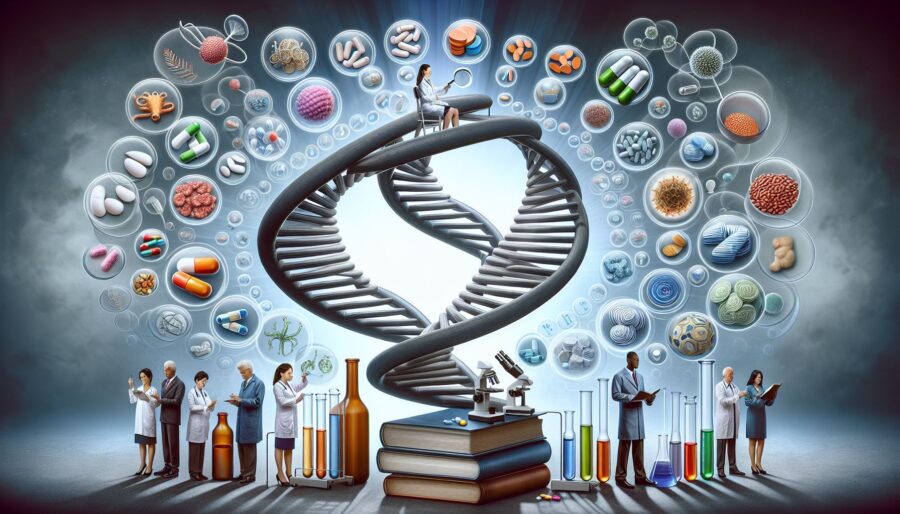
The pharmaceutical industry is a vast and complex world that plays a crucial role in improving human health and well-being. From developing life-saving medications to conducting groundbreaking research, pharmaceutical companies are at the forefront of scientific innovation. In this blog post, we will take a closer look at the pharmaceutical world and the impact it has on society.

The Role of Pharmaceutical Companies

Pharmaceutical companies are responsible for researching, developing, and manufacturing medications that treat a wide range of illnesses and diseases. They invest significant resources in conducting clinical trials to ensure the safety and efficacy of new drugs before they are approved for market. These companies also play a key role in educating healthcare professionals and the public about the benefits and risks of different medications.

Research and Development

One of the most important aspects of the pharmaceutical industry is research and development (R&D). Pharmaceutical companies invest billions of dollars each year in R&D to discover new medications and treatments. This process involves identifying potential drug candidates, conducting preclinical studies, and testing the drugs in clinical trials. While R&D can be a lengthy and expensive process, it is essential for advancing medical science and improving patient outcomes.

Regulation and Quality Control

Due to the potential risks associated with medications, pharmaceutical companies are subject to strict regulation and quality control measures. Government agencies, such as the Food and Drug Administration (FDA) in the United States, oversee the approval process for new drugs and monitor their safety post-market. Companies must adhere to Good Manufacturing Practices (GMP) to ensure the quality and purity of their products.

Challenges and Opportunities

The pharmaceutical industry faces a number of challenges, including increasing competition, regulatory hurdles, and rising healthcare costs. However, there are also many opportunities for growth and innovation in areas such as personalized medicine, biotechnology, and digital health. As new technologies and scientific discoveries continue to emerge, the pharmaceutical world is constantly evolving.

Conclusion

The pharmaceutical world is a dynamic and ever-changing industry that plays a vital role in promoting global health. From developing new medications to conducting cutting-edge research, pharmaceutical companies are at the forefront of medical innovation. While there are challenges to navigate, the opportunities for growth and improvement are endless. By staying committed to their mission of improving human health, pharmaceutical companies will continue to make a positive impact on society for years to come.

The Evolving Landscape of the Pharmaceutical World

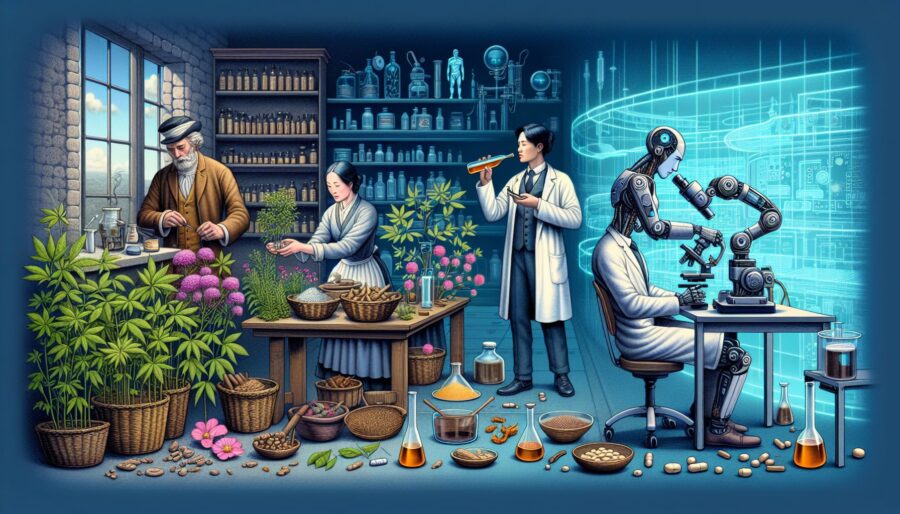
In the fast-paced world of healthcare, the pharmaceutical industry plays a critical role in developing life-saving medications and treatments for a wide range of medical conditions. From research and development to manufacturing and distribution, the pharmaceutical world is constantly evolving to meet the needs of patients around the globe.

The pharmaceutical industry is a complex and competitive field, with companies investing billions of dollars in research and development to bring new drugs to market. These medications undergo rigorous testing and approval processes to ensure their safety and efficacy, but even after a drug is approved, the work doesn’t stop there. Companies must continue to monitor the performance of their products, conduct further research, and navigate ever-changing regulations and guidelines.

One of the biggest challenges facing the pharmaceutical industry today is the rising cost of healthcare. As the population ages and chronic diseases become more prevalent, the demand for medications and treatments continues to grow. This has put pressure on pharmaceutical companies to develop new therapies that are both effective and affordable, while also balancing the need to generate profits and return value to their shareholders.

At the same time, advancements in technology have revolutionized the way drugs are developed and delivered. From cutting-edge research tools and analytics to telemedicine and digital health platforms, technology is helping pharmaceutical companies streamline processes, improve outcomes, and better engage with patients and healthcare providers.

Despite these advancements, the pharmaceutical industry continues to face challenges such as drug shortages, counterfeit medications, and increasing resistance to antibiotics. Companies must stay vigilant in monitoring their supply chains, collaborating with regulatory agencies, and investing in research to address these issues and ensure the safety and effectiveness of their products.

In conclusion, the pharmaceutical world is a dynamic and fast-paced industry that is constantly evolving to meet the needs of patients and healthcare professionals. From research and development to manufacturing and distribution, companies must navigate a complex landscape of regulations, competition, and technological advancements to bring new medications to market. By staying ahead of trends, investing in innovation, and prioritizing patient safety, the pharmaceutical industry will continue to play a critical role in improving global health outcomes for years to come.

The Evolving World of Pharmaceuticals

The pharmaceutical industry is constantly evolving, with new drugs and treatments being developed every day to help improve the health and well-being of millions of people around the world. This field of medicine is one of the most important and fastest-growing industries in the world, playing a crucial role in the prevention, diagnosis, and treatment of a wide range of illnesses and diseases.

In recent years, there has been a significant increase in the development of personalized medicine, which involves tailoring treatments to individual patients based on their genetic makeup, lifestyle, and other factors. This approach allows for more targeted and effective treatments, leading to better outcomes for patients and reducing the risk of adverse effects.

Advancements in technology, such as the use of artificial intelligence and machine learning, have also revolutionized the pharmaceutical industry. These tools have enabled researchers to analyze large amounts of data quickly and accurately, leading to the discovery of new drugs and treatments at a much faster pace than ever before.

The process of drug discovery and development is a lengthy and complex one, taking an average of 10-15 years from initial research to final approval by regulatory authorities. This process involves rigorous testing in laboratories and clinical trials to ensure the safety and efficacy of new drugs before they can be prescribed to patients.

One of the biggest challenges facing the pharmaceutical industry today is the rising cost of drug development. The high cost of research and development, as well as the lengthy approval process, can make it difficult for companies to recoup their investments and make a profit. This has led to a debate over the pricing of drugs and the need for more affordable treatment options for patients.

Despite these challenges, the pharmaceutical industry continues to make significant strides in the development of new drugs and treatments to improve the health and well-being of people around the world. From breakthroughs in cancer treatment to advancements in infectious diseases, the field of pharmaceuticals plays a critical role in shaping the future of medicine.

In conclusion, the pharmaceutical world is an ever-changing and dynamic field that continues to push the boundaries of medical innovation. With advancements in personalized medicine, technology, and drug development, the industry is poised to make even greater strides in the years to come. By investing in research and development and working towards more affordable and accessible treatments, the pharmaceutical industry has the potential to make a profound impact on the health and well-being of people worldwide.

The Dynamic World of Pharmaceuticals

The pharmaceutical industry is a complex and dynamic sector that plays a vital role in the healthcare system. It encompasses the research, development, manufacturing, and marketing of drugs and medical devices that are used to diagnose, treat, and prevent diseases. This industry is constantly evolving, with new technologies, regulations, and market dynamics shaping its landscape.

In recent years, the pharmaceutical world has witnessed significant advancements in biotechnology, personalized medicine, and the use of data analytics in drug development. These innovations have led to the development of novel therapies for a wide range of diseases, including cancer, autoimmune disorders, and infectious diseases. Moreover, the industry has also seen a shift towards precision medicine, where treatments are tailored to individual patients based on their genetic makeup and other factors.

One of the key challenges facing the pharmaceutical industry is the rising cost of drug development and healthcare. Developing a new drug can take up to 10-15 years and cost billions of dollars, with no guarantee of success. This has led to debates around pricing and access to medications, as well as discussions on the need for incentives to encourage innovation in this space.

Moreover, the industry is also facing increasing scrutiny around issues such as drug safety, transparency, and ethics. Recent scandals involving the manipulation of clinical trial data and the marketing of off-label uses of drugs have raised concerns about the integrity of the pharmaceutical industry. As a result, regulatory bodies and advocacy groups are calling for greater transparency and accountability from drug manufacturers.

Despite these challenges, the pharmaceutical industry continues to be a highly profitable sector, with global sales reaching over a trillion dollars annually. As the demand for innovative therapies continues to grow, the industry is expected to expand further and drive economic growth in the coming years.

In conclusion, the pharmaceutical world is a fascinating and dynamic field that is constantly evolving to meet the healthcare needs of society. With advancements in technology, personalized medicine, and data analytics, the industry is poised to revolutionize healthcare and improve patient outcomes. However, it also faces challenges around cost, access, and ethics that need to be addressed to ensure the sustainability and integrity of the industry. As we look towards the future, it is clear that the pharmaceutical industry will continue to play a crucial role in shaping the future of healthcare.

The Dynamic and Evolving World of Pharmaceuticals

The pharmaceutical industry is a vital component of healthcare, playing a crucial role in the research, development, and distribution of life-saving medications. With advancements in technology and a growing emphasis on innovation, the pharmaceutical world is constantly evolving to meet the ever-changing needs of patients worldwide.

In recent years, there has been a significant shift towards personalized medicine, where treatments are tailored to individual patients based on their genetic makeup and unique characteristics. This shift has led to the development of groundbreaking therapies that target specific genetic mutations, offering new hope to patients with previously untreatable conditions.

Furthermore, the rise of digital health technologies has revolutionized the way pharmaceutical companies conduct clinical trials and gather real-time data on drug efficacy and safety. These technologies have streamlined the drug development process, allowing for faster and more efficient delivery of new treatments to patients in need.

However, the pharmaceutical world is not without its challenges. Rising healthcare costs, regulatory hurdles, and increasing competition have put pressure on pharmaceutical companies to deliver innovative solutions while also maintaining affordability and accessibility for patients. Additionally, issues such as counterfeit medications and supply chain disruptions pose serious threats to public health and safety.

Despite these challenges, the pharmaceutical industry remains a powerful force for good, driving progress in healthcare and improving the quality of life for millions of people around the world. From breakthrough treatments for rare diseases to vaccines that protect against deadly viruses, pharmaceutical companies continue to push the boundaries of science and innovation to save lives and improve health outcomes.

In conclusion, the pharmaceutical world is a dynamic and ever-evolving industry that plays a critical role in shaping the future of healthcare. With advancements in personalized medicine, digital health technologies, and innovative drug development processes, the pharmaceutical industry is poised to lead the way in delivering groundbreaking treatments to patients in need. By overcoming challenges and embracing opportunities for growth and innovation, pharmaceutical companies can continue to make a positive impact on global health and well-being.

The Changing Landscape of the Pharmaceutical World

In recent years, the pharmaceutical world has undergone significant changes and advancements that have transformed the way we approach healthcare. From the development of groundbreaking medications to the rise of personalized medicine, the industry continues to evolve and innovate at a rapid pace.

One of the most notable trends in the pharmaceutical world is the growing focus on precision medicine. This approach involves tailoring treatments to individual patients based on their genetic makeup, lifestyle, and other factors. By targeting specific molecular pathways and genetic abnormalities, doctors can provide more effective and personalized care to patients, leading to better outcomes and reduced side effects.

In addition to personalized medicine, the pharmaceutical world has also seen a surge in the development of biologics and gene therapies. These innovative treatments harness the power of living organisms and genetic material to target and treat a range of diseases, including cancer, rare genetic disorders, and autoimmune conditions. By leveraging these cutting-edge technologies, researchers and healthcare providers are able to offer patients new, effective treatment options that were once thought impossible.

Furthermore, the pharmaceutical industry has made significant strides in the fight against infectious diseases and global health crises. From the rapid development of COVID-19 vaccines to ongoing efforts to combat antibiotic resistance, pharmaceutical companies are working tirelessly to address some of the world’s most pressing health challenges. Through collaboration with governments, public health organizations, and other stakeholders, the industry continues to play a crucial role in improving global health and wellbeing.

As technology continues to advance, the pharmaceutical world is also embracing digital innovation to enhance patient care and improve drug development processes. From telemedicine and remote monitoring to data analytics and artificial intelligence, these digital tools are revolutionizing the way healthcare is delivered and transforming the pharmaceutical landscape. By harnessing the power of technology, pharmaceutical companies are able to streamline operations, accelerate research, and deliver more personalized and efficient care to patients.

In conclusion, the pharmaceutical world is constantly evolving and adapting to meet the changing needs of patients and healthcare providers. From precision medicine and biologics to digital innovation and global health initiatives, the industry is at the forefront of medical progress. As we look to the future, it is clear that the pharmaceutical world will continue to drive advancements in healthcare and improve the lives of millions around the world.

The Fascinating World of Pharmaceuticals

The pharmaceutical industry is a complex and ever-evolving field that plays a crucial role in improving and preserving human health. From developing life-saving medications to conducting cutting-edge research, pharmaceutical companies are at the forefront of innovation in healthcare.

At the heart of the pharmaceutical world is the process of drug discovery and development. This often involves years of research, testing, and regulatory approval before a new medication can be brought to market. Scientists and researchers work tirelessly to identify potential drug candidates, test their safety and effectiveness, and navigate the complex regulatory landscape to ensure their products meet the necessary standards for patient care.

Pharmaceutical companies also play a vital role in manufacturing and distributing medications to healthcare providers and patients around the world. This involves sophisticated supply chains, quality control measures, and regulatory compliance to ensure that medications are safe, effective, and readily available to those who need them.

In addition to developing and distributing medications, pharmaceutical companies are also actively involved in healthcare policy, education, and advocacy. They work closely with government agencies, healthcare providers, and patient advocacy groups to shape public health policies, raise awareness about various health issues, and promote the safe and effective use of medications.

Despite the many challenges and complexities of the pharmaceutical world, the industry continues to make significant advancements in healthcare. From breakthrough treatments for life-threatening diseases to improving access to essential medications in underserved communities, pharmaceutical companies are driving innovation and making a positive impact on global health.

In conclusion, the pharmaceutical world is a dynamic and fascinating field that plays a vital role in improving human health. Through research, development, manufacturing, and advocacy, pharmaceutical companies are working tirelessly to advance healthcare and make a difference in the lives of patients worldwide. As we look to the future, the pharmaceutical industry will continue to evolve and innovate, shaping the future of healthcare and improving outcomes for all.

The Evolving Landscape of the Pharmaceutical World

The pharmaceutical world is a vast and complex industry that plays a crucial role in healthcare. From the development of life-saving medications to the production of over-the-counter drugs, pharmaceutical companies are constantly striving to improve the way we prevent and treat illnesses.

In recent years, the pharmaceutical world has seen significant advancements in technology and innovation. These developments have allowed for the creation of new drugs and treatments that are more effective and targeted than ever before. Additionally, the rise of personalized medicine has revolutionized the way we approach healthcare, allowing for tailored treatments based on an individual’s genetic makeup.

One of the most notable trends in the pharmaceutical world is the increasing focus on biopharmaceuticals. These are drugs derived from living organisms, such as proteins and antibodies, and are used to treat a wide range of diseases. Biopharmaceuticals have shown great promise in areas such as cancer treatment and autoimmune disorders, and are expected to continue to grow in importance in the coming years.

Another key development in the pharmaceutical world is the growing emphasis on sustainability and environmental responsibility. As the global population continues to grow, so too does the demand for medications. Pharmaceutical companies are increasingly looking for ways to reduce their carbon footprint and minimize waste in order to protect the environment for future generations.

Despite these advancements, the pharmaceutical world also faces challenges and controversies. The rising cost of medications, for example, has become a major concern for patients and healthcare providers alike. Additionally, the industry is often criticized for its aggressive marketing tactics and the influence of big pharma on healthcare policy.

In conclusion, the pharmaceutical world is a dynamic and ever-evolving industry that plays a critical role in our society. With advancements in technology and innovation, the development of new drugs and treatments continues to progress at a rapid pace. However, challenges such as rising costs and ethical concerns must be addressed in order to ensure that the industry continues to serve the needs of patients around the world.

The Evolution of the Pharmaceutical World

The pharmaceutical industry has come a long way since its inception, continually evolving and advancing in order to meet the healthcare needs of society. With the demand for new and improved medications growing every day, pharmaceutical companies have been working tirelessly to develop innovative drugs that can help treat a wide range of illnesses and improve the quality of life for millions of people around the world.

One of the most significant advancements in the pharmaceutical world is the development of biologics, which are medications derived from living organisms rather than traditional chemical compounds. Biologics have proven to be highly effective in treating conditions such as autoimmune diseases, cancer, and rare genetic disorders, offering new hope to patients who may have previously had limited treatment options.

In addition to biologics, the pharmaceutical world has also seen a rise in the use of personalized medicine, which involves tailoring medical treatments to a patient’s specific genetic makeup. By analyzing a patient’s genetic information, doctors can now determine the most effective medications for their unique needs, leading to more targeted and successful treatment plans.

As technology continues to advance, the pharmaceutical world has also embraced the use of artificial intelligence and machine learning to help identify potential drug candidates more quickly and accurately. By analyzing large amounts of data and predicting how molecules will interact with the body, AI has the potential to revolutionize the drug discovery process, saving time and resources while also improving the likelihood of success.

Despite these exciting advancements, the pharmaceutical world also faces challenges, such as regulatory hurdles, pricing pressures, and the rise of counterfeit medications. In order to address these issues, pharmaceutical companies must continue to work closely with regulatory agencies, healthcare providers, and patients to ensure that medications are safe, effective, and affordable for all who need them.

In conclusion, the pharmaceutical world is a dynamic and ever-changing industry that plays a vital role in advancing healthcare and improving the lives of people around the world. With ongoing advancements in biologics, personalized medicine, and technology, the future of pharmaceuticals looks bright, offering new hope and opportunities for patients and healthcare providers alike. By staying at the forefront of innovation and collaboration, the pharmaceutical world will continue to make a positive impact on global health for years to come.

The Ever-Evolving World of Pharmaceuticals

The pharmaceutical industry plays a crucial role in the healthcare sector by researching, developing, and producing medications that improve or save countless lives. With advancements in technology and medical research, the industry is constantly evolving to meet the changing needs of patients.

In recent years, there have been significant breakthroughs in pharmaceuticals, from the development of new cancer treatments to the creation of vaccines for previously incurable diseases. These advancements have not only extended the lives of patients but have also improved their quality of life.

One of the most exciting trends in the pharmaceutical world is personalized medicine. This approach takes into account an individual’s genetic makeup, lifestyle, and environment to tailor treatments that are most effective for them. By analyzing a patient’s unique characteristics, doctors can prescribe medications that have a higher likelihood of success, reducing the risk of adverse reactions and improving treatment outcomes.

Additionally, the rise of digital health technologies has transformed the way pharmaceutical companies operate. From the use of artificial intelligence to drug discovery to the development of mobile health apps, technology has opened up new possibilities for delivering healthcare services to patients more efficiently and effectively.

However, with these advancements come challenges. The cost of developing new medications can be exorbitant, leading to high prices for patients and healthcare providers. The industry also faces scrutiny over issues such as drug pricing, access to essential medications, and ethical concerns surrounding clinical trials.

Despite these challenges, the pharmaceutical industry continues to push boundaries and strive for innovation. With a growing focus on collaboration and transparency, companies are working towards developing breakthrough treatments that have the potential to revolutionize healthcare.

In conclusion, the pharmaceutical world is a dynamic and ever-changing industry that plays a vital role in improving global health. With advances in personalized medicine, digital technologies, and groundbreaking research, the future of healthcare looks promising. By addressing the challenges and embracing innovation, pharmaceutical companies can continue to make a positive impact on the lives of patients around the world.

Page 3 of 3

Powered by WordPress & Theme by Anders Norén