Month: May 2024 Page 3 of 4

Inside the Pharmaceutical World

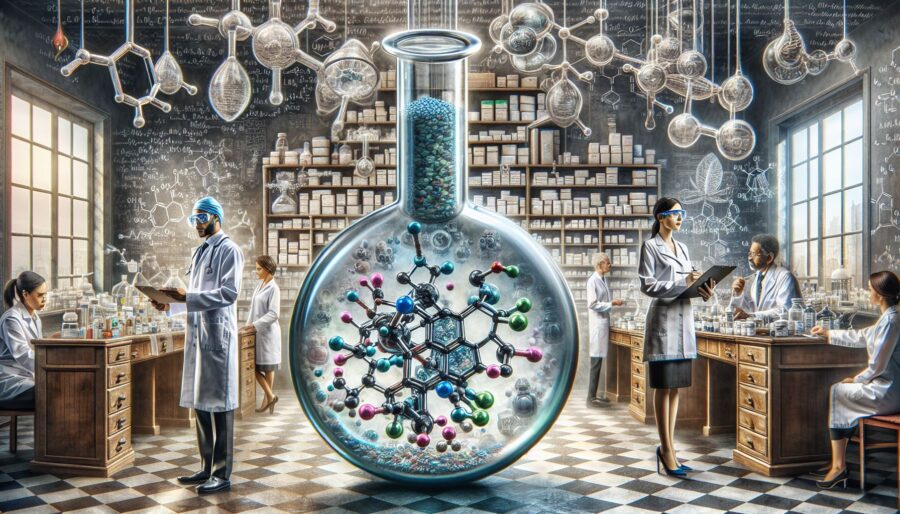
The pharmaceutical industry plays a vital role in our society, as it is responsible for developing, manufacturing, and distributing life-saving medications to individuals all over the world. From over-the-counter pain relievers to prescription medications for chronic conditions, pharmaceutical companies are constantly working to improve the health and well-being of people everywhere.

Being in the pharmaceutical world means being on the cutting-edge of medical research and technology. Scientists and researchers are constantly working to discover new treatments and medications that can improve the quality of life for patients. This often involves years of rigorous testing and clinical trials to ensure the safety and efficacy of a new drug before it can be brought to market.

One of the biggest challenges facing the pharmaceutical industry is the rising costs of drug development. It can take billions of dollars and over a decade of research to bring a new medication to market, and there is no guarantee of success. This cost is often passed on to consumers and healthcare systems, leading to debates over drug pricing and access to medication for those who need it most.

Despite these challenges, the pharmaceutical industry continues to innovate and make breakthroughs in healthcare. From new cancer treatments to vaccines for infectious diseases, the work being done in the pharmaceutical world has the potential to save countless lives and improve the overall health of society.

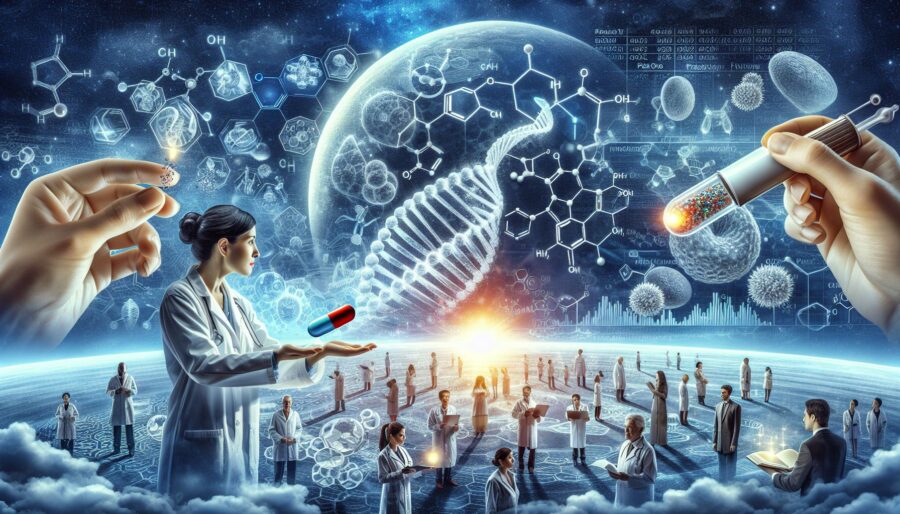
In recent years, there has been a growing focus on personalized medicine within the pharmaceutical industry. This involves tailoring treatments to individual patients based on their genetic makeup and other factors. By taking a more personalized approach to healthcare, pharmaceutical companies are able to provide more targeted and effective treatments for patients.

In conclusion, the pharmaceutical world is a complex and ever-evolving industry that plays a crucial role in healthcare. While there are challenges and controversies within the industry, there is also incredible potential for innovation and advancement in medical treatments. As we continue to push the boundaries of science and technology, we can expect to see even more life-saving medications and treatments emerge from the pharmaceutical world.

The Evolving Landscape of the Pharmaceutical World

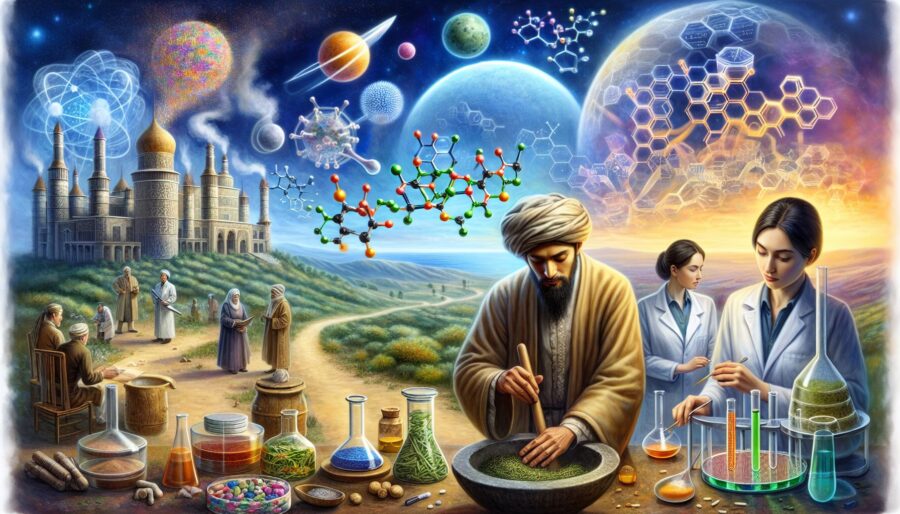
In a constantly changing world, the pharmaceutical industry continues to adapt and evolve to meet the needs of patients worldwide. With new advancements in technology, research, and regulations, the pharmaceutical world plays a crucial role in improving healthcare outcomes for individuals of all ages.

One of the key advancements in the pharmaceutical world is the development of precision medicine. This innovative approach tailors medical treatment to the individual characteristics of each patient. By analyzing a person’s genes, environment, and lifestyle, doctors can provide targeted therapies that are more effective and have fewer side effects. This personalized approach is revolutionizing the way we treat diseases such as cancer, diabetes, and heart conditions.

Furthermore, the use of artificial intelligence and big data analytics is transforming the drug discovery process. By analyzing vast amounts of data, scientists can identify potential drug candidates more quickly and accurately. This can lead to faster development timelines and the introduction of novel treatments for a range of diseases. Additionally, technology is enabling pharmaceutical companies to streamline their operations, improve patient outcomes, and reduce costs.

However, with innovation comes challenges. The pharmaceutical industry faces increasing pressure to demonstrate the cost-effectiveness of new treatments and drugs. As healthcare costs continue to rise, payers and regulators are scrutinizing the value of pharmaceutical products more closely. Pharmaceutical companies must navigate a complex landscape of pricing negotiations, market access, and regulatory compliance to ensure that their products reach the patients who need them most.

Furthermore, the rise of counterfeit drugs and online pharmacies presents a serious threat to patient safety. With the growth of e-commerce and digital marketing, consumers are increasingly exposed to fake or substandard medications. This not only puts individuals at risk of harm but also undermines the credibility of the pharmaceutical industry as a whole. Regulatory bodies and industry stakeholders must work together to combat this illicit trade and protect the health of patients worldwide.

In conclusion, the pharmaceutical world is a dynamic and ever-changing industry that plays a critical role in improving healthcare outcomes for individuals around the globe. With advancements in precision medicine, technology, and data analytics, the industry is poised to deliver innovative treatments and therapies that can transform patient care. However, challenges such as cost-effectiveness, regulatory compliance, and counterfeit drugs must be addressed to ensure that patients receive safe, effective, and high-quality medications. By staying at the forefront of innovation and collaboration, the pharmaceutical industry can continue to make a positive impact on the health and well-being of people everywhere.

The Evolving Landscape of the Pharmaceutical World

The pharmaceutical industry is constantly evolving, with new advancements in technology and research leading to the development of groundbreaking medications and treatments. These innovations have the potential to improve the lives of millions of people around the world, and the pharmaceutical world plays a crucial role in healthcare systems globally.

In recent years, there has been a shift towards personalized medicine, where treatments are tailored to individual patients based on their genetic makeup, lifestyle, and other factors. This approach has been made possible by advancements in precision medicine, which aims to provide more targeted and effective treatment options for patients.

Another major trend in the pharmaceutical world is the rise of biotechnology, which involves using living organisms or their derivatives to create medications and treatments. Biotechnology has led to the development of novel therapies for a wide range of diseases, including cancer, autoimmune disorders, and genetic conditions.

In addition to advancements in personalized medicine and biotechnology, the pharmaceutical industry is also increasingly focused on digital health solutions. These include the use of mobile apps, wearables, and other technologies to improve patient engagement, monitor treatment adherence, and collect real-time data on patient outcomes.

Despite these exciting developments, the pharmaceutical world also faces challenges, such as drug pricing and access to medications. The high cost of some medications can be a barrier to access for many patients, especially in developing countries. In response to these challenges, stakeholders in the pharmaceutical industry are working to find solutions that balance innovation and affordability.

Regulatory issues also play a significant role in shaping the pharmaceutical landscape. Strict regulations govern the development, testing, and marketing of medications, ensuring that they are safe and effective for patients. However, navigating these regulations can be complex and time-consuming for pharmaceutical companies, leading to delays in bringing new treatments to market.

In conclusion, the pharmaceutical world is a dynamic and rapidly changing industry that plays a critical role in improving global health outcomes. From personalized medicine to biotechnology and digital health solutions, the industry is constantly innovating to address the complex challenges of disease prevention and treatment. By working together to overcome barriers to access and affordability, stakeholders in the pharmaceutical world can continue to make a positive impact on the lives of patients worldwide.

Exploring the Complex World of Pharmaceuticals

The pharmaceutical industry is an integral part of healthcare, working to develop, produce, and market drugs that improve the well-being of individuals worldwide. With advancements in technology and research, the pharmaceutical world continues to evolve and shape the way we treat diseases and ailments.

In the pharmaceutical world, research and development play a crucial role in creating new drugs and therapies. Pharmaceutical companies invest significant resources into discovering new treatments, conducting clinical trials, and gaining regulatory approval. This process can take years, with many drugs failing to meet the necessary safety and efficacy standards.

Once a drug has been approved, pharmaceutical companies must navigate the complexities of manufacturing, marketing, and distributing their products. This involves ensuring quality control, adhering to regulations, and creating strategic partnerships with healthcare providers and insurers. The pharmaceutical world is heavily regulated, with strict guidelines in place to protect patient safety and promote transparency.

One of the challenges facing the pharmaceutical world is the rising cost of drug development and production. As technology advances and research becomes more complex, the cost of bringing a new drug to market continues to escalate. This can lead to high prices for consumers, making access to life-saving medications a challenge for many individuals.

Despite these challenges, the pharmaceutical world plays a vital role in improving healthcare outcomes and enhancing quality of life. From vaccines and antibiotics to chronic disease treatments, pharmaceutical companies are constantly innovating and pushing the boundaries of what is possible in medicine. The ongoing COVID-19 pandemic has highlighted the importance of the pharmaceutical industry, with companies racing to develop vaccines and treatments to combat the virus.

In conclusion, the pharmaceutical world is a dynamic and complex industry that is essential to the advancement of healthcare. It requires collaboration between scientists, researchers, regulators, and healthcare professionals to bring life-saving medications to market. While there are challenges to overcome, the pharmaceutical industry continues to drive innovation and improve healthcare outcomes for individuals around the globe.

The Ever-Evolving World of Pharmaceuticals

In today’s rapidly advancing world, the realm of pharmaceuticals is ever-evolving. From groundbreaking new treatments to innovative technologies, the pharmaceutical industry is constantly pushing the boundaries of what is possible in healthcare.

The introduction of biologics, or drugs derived from living organisms, has sparked a new era of personalized medicine. These drugs have the potential to target specific genetic markers in patients, leading to more effective treatments with fewer side effects. The development of biosimilars, which are highly similar versions of biologic drugs, has also opened up new possibilities for increasing patient access to life-saving treatments.

In addition to these new technologies, the rise of digital health tools is transforming the way patients interact with healthcare providers. Telemedicine, wearable devices, and health apps are giving patients more control over their own health and fostering a more collaborative relationship between patients and providers. These tools also provide valuable data that can be used to inform treatment decisions and improve patient outcomes.

However, with these advancements come challenges as well. The high cost of many new drugs, particularly biologics, has raised concerns about access and affordability. Issues such as drug pricing and insurance coverage remain hotly debated topics in healthcare policy discussions.

Another challenge facing the pharmaceutical industry is the rise of antibiotic resistance. As bacteria evolve and become resistant to existing antibiotics, the development of new antibiotics has become a critical priority. Without new treatments, we risk facing a future where common infections become deadly once again.

Despite these challenges, the pharmaceutical industry continues to innovate and find new ways to improve patient care. From precision medicine to gene therapy, the possibilities for the future of healthcare are limitless. By working together to address the challenges we face and harnessing the power of new technologies, we can ensure that patients receive the best possible care.

In conclusion, the pharmaceutical world is a dynamic and ever-changing landscape. With new treatments, technologies, and challenges emerging all the time, it is an exciting time to be a part of this industry. By staying at the forefront of innovation and continuing to prioritize patient care, we can shape a healthier future for all.

The Ever-Evolving World of Pharmaceuticals

Welcome to the dynamic and ever-evolving world of pharmaceuticals. This industry plays a crucial role in providing life-saving medications and treatments to individuals across the globe. From research and development to manufacturing and distribution, the pharmaceutical industry is constantly changing and adapting to meet the needs of patients and healthcare professionals.

In the world of pharmaceuticals, innovation is key. Researchers are constantly looking for new ways to treat diseases and improve quality of life for patients. From developing new drugs to improving existing treatments, the pharmaceutical industry is always at the forefront of cutting-edge technology and scientific advancements.

One of the challenges facing the pharmaceutical industry is the rising cost of drug development. Bringing a new drug to market can take years and cost millions of dollars. This cost is often passed on to consumers, leading to high prices for medications. However, the industry is also working hard to find more cost-effective ways to develop and produce drugs, such as through partnerships and collaborations with other companies.

Another key issue in the pharmaceutical world is regulation. Governments around the world have strict guidelines and regulations in place to ensure the safety and efficacy of medications. These regulations can vary by country and can impact everything from drug approval to pricing and distribution. Companies in the pharmaceutical industry must navigate these regulations carefully to ensure compliance and deliver safe and effective products to patients.

Despite these challenges, the pharmaceutical industry continues to thrive and make a positive impact on global health. From vaccines to antibiotics to cutting-edge biologics, pharmaceutical companies are at the forefront of improving and extending human life. With ongoing research and development efforts, the industry is poised to continue its growth and innovation for years to come.

In conclusion, the pharmaceutical world is a complex and dynamic industry that continues to push the boundaries of science and technology. From drug development to regulation to distribution, companies in this sector face a wide range of challenges and opportunities. However, through innovation, collaboration, and a commitment to improving patient outcomes, the pharmaceutical industry remains a vital force in healthcare. So next time you take a pill or receive a vaccination, remember the incredible work that goes on behind the scenes to bring those medications to you.

The Evolving Landscape of the Pharmaceutical World

The pharmaceutical world is constantly evolving and advancing at a rapid pace, driven by new discoveries, technological advancements, and changing healthcare needs. From the development of groundbreaking medications to the use of artificial intelligence in drug research, the pharmaceutical industry plays a crucial role in improving global health.

In recent years, there has been a shift towards personalized medicine, where treatments are tailored to individual patients based on their genetic makeup and other factors. This approach not only improves the effectiveness of treatments but also reduces the risk of adverse reactions. The use of precision medicine has led to the development of targeted therapies for conditions such as cancer, autoimmune diseases, and rare genetic disorders.

Advancements in biotechnology have also revolutionized the pharmaceutical world, allowing for the creation of biologics – medications derived from living organisms. Biologics have proven to be highly effective in treating a wide range of diseases, from cancer to rheumatoid arthritis. These innovative therapies are often more complex and expensive to produce than traditional medications, but they have the potential to significantly improve patient outcomes.

In addition to developing new drugs, pharmaceutical companies are increasingly investing in digital health solutions to improve patient care and outcomes. Telemedicine, mobile health apps, and wearable devices are just a few examples of how technology is being integrated into healthcare to provide more personalized and convenient care. These digital tools have the potential to increase patient engagement, improve adherence to treatment regimens, and enhance disease management.

However, with these advancements come challenges, such as rising healthcare costs, regulatory hurdles, and ethical considerations. Pharmaceutical companies must navigate a complex landscape of regulations and guidelines to bring new drugs to market, while also ensuring the safety and efficacy of their products. Patient privacy and data security are also major concerns in the digital health space, as the industry grapples with how to safeguard sensitive information in an increasingly connected world.

Despite these challenges, the future of the pharmaceutical world looks promising, with the potential for groundbreaking discoveries and new treatments that could transform healthcare. As researchers continue to unlock the mysteries of the human body and develop innovative therapies, the pharmaceutical industry will play a key role in addressing the evolving healthcare needs of populations around the world.

In conclusion, the pharmaceutical world is an ever-changing and dynamic industry that is driving innovation and improving patient outcomes. With advancements in personalized medicine, biotechnology, and digital health, the industry is poised to continue making significant contributions to global health and wellness. By addressing challenges and embracing opportunities, pharmaceutical companies can continue to shape the future of healthcare for the better.

The Ever-Evolving World of Pharmaceuticals

The pharmaceutical industry is a constantly evolving and rapidly growing sector of the healthcare world. From new drug discoveries to cutting-edge research, there is always something new happening in this field.

One of the most important aspects of the pharmaceutical industry is drug discovery and development. This process involves extensive research and testing to find new medications that can effectively treat various illnesses and diseases. It can take years, sometimes even decades, for a new drug to go from initial discovery to market approval.

Once a new drug is discovered, it must go through a series of clinical trials to ensure its safety and efficacy. These trials involve thousands of patients and can take several years to complete. Only after a drug has passed all of these rigorous tests can it be approved by regulatory agencies for use in the general population.

But the work doesn’t stop there. Pharmaceuticals companies also have to navigate complex regulatory processes, marketing challenges, and supply chain issues in order to bring their medications to market. This requires a tremendous amount of coordination and resources to ensure that patients have access to the medications they need.

In recent years, the pharmaceutical industry has also been at the forefront of cutting-edge research and innovation. From personalized medicine to gene therapy, there are constantly new breakthroughs and advancements being made in this field. These advancements have the potential to revolutionize the way we treat diseases and improve patient outcomes.

However, with great innovation also comes great responsibility. The pharmaceutical industry has faced scrutiny in recent years over issues such as drug pricing, access to medications, and ethical concerns. It is important for companies in this industry to operate with transparency and integrity in order to maintain the trust of healthcare providers, patients, and the general public.

In conclusion, the pharmaceutical world is a dynamic and vital part of the healthcare industry. With constant research, development, and innovation, pharmaceutical companies are helping to improve the lives of millions of people around the world. As we move forward, it is important for the industry to continue to prioritize patient safety, access to medications, and ethical practices in order to ensure the best possible outcomes for all.

The Dynamic World of Pharmaceuticals

The pharmaceutical industry plays a crucial role in the healthcare system, providing medicines and treatments to improve and save lives. It is a dynamic and fast-paced world, constantly evolving with new technologies, treatments, and regulations.

In the pharmaceutical world, research and development are key areas of focus. Companies invest significant resources into developing new drugs and treatments to combat diseases and improve patient outcomes. This process involves rigorous testing, clinical trials, and regulatory approval before a new drug can make it to market.

In recent years, the pharmaceutical industry has seen a shift towards personalized medicine. This approach involves tailoring treatments to individual patients based on their genetic makeup, lifestyle, and other factors. This can lead to more effective treatments with fewer side effects, ultimately improving patient outcomes.

The rise of technology has also had a significant impact on the pharmaceutical world. From automation in manufacturing processes to data analytics in drug development, technology has revolutionized how drugs are researched, developed, and produced. Additionally, digital health tools such as telemedicine and health apps have made healthcare more accessible and convenient for patients.

Regulation is another important aspect of the pharmaceutical world. Governments around the world have strict regulations in place to ensure the safety and efficacy of drugs. Companies must adhere to these regulations to bring their products to market, which can be a time-consuming and costly process. However, these regulations are essential to protect public health and ensure that patients receive safe and effective treatments.

Despite the many challenges facing the pharmaceutical industry, it continues to innovate and drive advancements in healthcare. From breakthrough treatments for rare diseases to vaccines that prevent deadly illnesses, the pharmaceutical world plays a critical role in improving global health outcomes.

In conclusion, the pharmaceutical world is a complex and ever-changing landscape that plays a vital role in improving and saving lives. With ongoing research, advances in technology, and adherence to regulations, the industry will continue to drive innovation and provide essential treatments for patients around the world.

The Ever-Evolving Pharmaceutical World

Welcome to the world of pharmaceuticals, where innovation and discovery are at the forefront of improving global health outcomes. From groundbreaking new medications to life-saving vaccines, the pharmaceutical industry plays a crucial role in the well-being of populations around the world.

In the past, the pharmaceutical industry primarily focused on developing medications to treat diseases and alleviate symptoms. However, in recent years, the industry has seen a shift towards preventative medicine and personalized treatment plans. This shift has been driven by advancements in technology, such as genetic testing and precision medicine, which allow healthcare professionals to tailor treatment plans to individual patients based on their genetic makeup and lifestyle factors.

One of the most exciting developments in the pharmaceutical world is the rise of immunotherapy. This cutting-edge approach harnesses the power of the body’s immune system to target and destroy cancer cells. Immunotherapy has shown promising results in treating a variety of cancers, offering new hope to patients who previously had limited treatment options.

Another area of significant innovation is the development of biologic medications. These drugs are produced using living organisms, such as bacteria or yeast, and are designed to target specific molecules in the body. Biologic medications have revolutionized the treatment of conditions such as rheumatoid arthritis, psoriasis, and Crohn’s disease, offering patients more effective and targeted therapies with fewer side effects.

Despite these exciting advancements, the pharmaceutical industry also faces challenges, such as rising drug costs and regulatory hurdles. The high cost of medications can limit access to essential treatments for many patients, leading to disparities in healthcare outcomes. Additionally, navigating the complex regulatory landscape can be a major barrier to bringing new drugs to market, delaying potentially life-saving therapies from reaching patients in need.

As we look towards the future of the pharmaceutical world, it is clear that collaboration and innovation will be key to addressing these challenges and continuing to improve global health outcomes. By partnering with researchers, healthcare providers, and regulatory agencies, pharmaceutical companies can streamline the drug development process, making treatments more accessible and affordable for patients worldwide.

In conclusion, the pharmaceutical world is a dynamic and ever-evolving industry that plays a vital role in improving global health outcomes. From groundbreaking new medications to innovative treatment approaches, the industry continues to drive advancements that benefit patients around the world. By embracing collaboration and innovation, the pharmaceutical industry can overcome challenges and continue to make a positive impact on the health and well-being of populations everywhere.

Page 3 of 4

Powered by WordPress & Theme by Anders Norén