
Month: April 2024

Exploring the Dynamic World of Pharmaceuticals

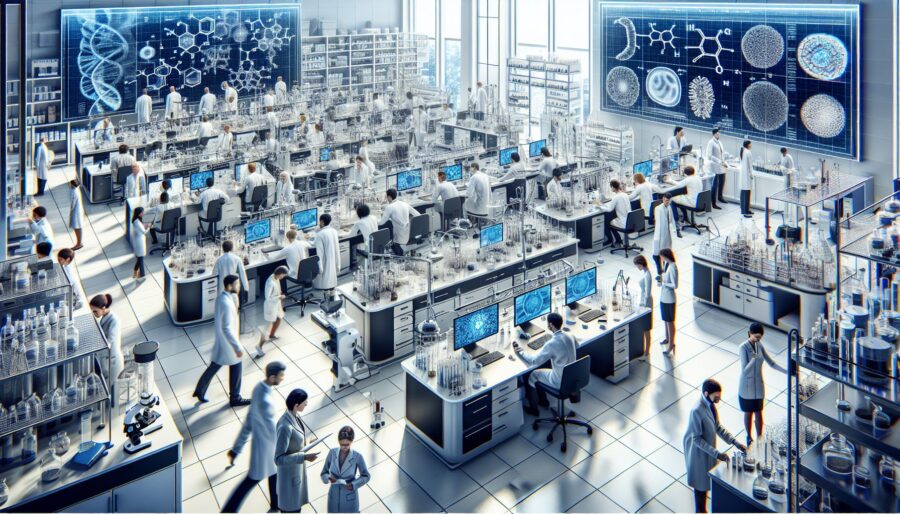
The pharmaceutical industry is a crucial component of modern healthcare, playing a pivotal role in the development and production of medications that keep us healthy and save lives. This dynamic field is constantly evolving, with new drugs being discovered and brought to market, innovative technologies transforming the way medications are developed and delivered, and regulatory changes shaping the landscape in which pharmaceutical companies operate.

In recent years, the pharmaceutical industry has seen significant growth and innovation, fueled by advances in technology and a growing demand for new and more effective treatments. From cutting-edge biotech companies developing personalized therapies to large pharmaceutical companies producing generic medications that make healthcare more affordable, the industry is a complex and diverse ecosystem.

One of the most important aspects of the pharmaceutical world is drug discovery and development. This process involves identifying potential new medications, conducting preclinical and clinical trials to evaluate their safety and efficacy, and obtaining regulatory approval for their use. This process can take years and cost billions of dollars, but the end result is medications that can improve and even save lives.

Another key area of the pharmaceutical industry is manufacturing and production. Once a drug has been approved for use, pharmaceutical companies must ramp up production to meet the demand for the medication. This involves ensuring strict quality control measures are in place to guarantee the safety and effectiveness of the product, as well as complying with regulations governing the production and distribution of medications.

Regulatory oversight is a crucial aspect of the pharmaceutical world, with agencies like the Food and Drug Administration (FDA) in the United States setting standards for the approval and monitoring of medications. These regulations help ensure that medications are safe and effective for the patients who use them, while also providing a level playing field for companies operating in the industry.

In conclusion, the pharmaceutical world is a vast and complex landscape that plays a crucial role in healthcare and society as a whole. From drug discovery and development to manufacturing and regulatory oversight, every aspect of the industry is essential to ensuring that patients have access to the medications they need. As technology continues to advance and new treatments are discovered, the pharmaceutical industry will remain at the forefront of healthcare, driving innovation and improving the quality of life for people around the world.
The Evolution of the Pharmaceutical World

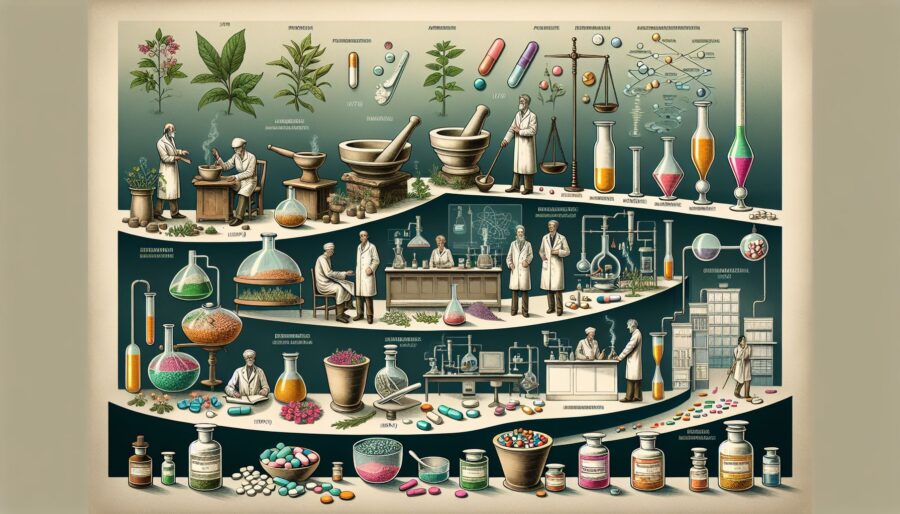
The pharmaceutical industry has come a long way since its inception, with advancements in technology and research continuously shaping the way we approach healthcare. From the discovery of antibiotics in the early 20th century to the development of precision medicine and gene therapies today, the field has seen exponential growth in a relatively short span of time.

One of the key factors driving this evolution is the increased collaboration between different sectors within the pharmaceutical world. With pharmaceutical companies partnering with biotech firms, academic institutions, and even tech giants, we are seeing a convergence of expertise that is leading to groundbreaking discoveries and innovations. This cross-pollination of ideas and resources has paved the way for personalized medicine, targeted therapies, and a deeper understanding of disease mechanisms.

In addition to collaboration, technological advancements have played a pivotal role in shaping the pharmaceutical landscape. The rise of artificial intelligence, big data analytics, and machine learning has revolutionized drug discovery and development, allowing researchers to sift through vast amounts of data and identify potential drug candidates in a fraction of the time it would have taken using traditional methods. This has not only accelerated the pace of drug development but has also made it more cost-effective, leading to a more efficient and streamlined process.

Furthermore, regulatory agencies around the world have adapted to the changing landscape of the pharmaceutical industry, implementing policies and guidelines that foster innovation while ensuring patient safety. The approval of mRNA vaccines for COVID-19 in record time is a testament to the agility and resilience of regulatory bodies in the face of a global health crisis, highlighting the importance of a collaborative and adaptive approach to drug development.

Looking ahead, the future of the pharmaceutical world holds even more promise, with advancements in areas such as gene editing, immunotherapy, and regenerative medicine offering new avenues for treating and potentially curing diseases that were once thought to be incurable. As we continue to push the boundaries of scientific discovery and innovation, it is imperative that we also prioritize ethical considerations, accessibility, and affordability to ensure that the benefits of these advancements are shared equitably across all populations.

In conclusion, the pharmaceutical world is in a state of constant evolution, driven by collaboration, technology, and regulatory innovation. As we navigate the complexities of healthcare in the 21st century, it is crucial that we continue to push the boundaries of what is possible while keeping the needs of patients at the forefront. By working together and embracing new ideas and technologies, we can shape a future where healthcare is more personalized, effective, and accessible for all.

Exploring the Ever-Growing Pharmaceutical World

The pharmaceutical industry plays a vital role in the healthcare sector, as it is responsible for developing and manufacturing drugs that help treat various diseases and improve overall quality of life. With advancements in technology and research, the pharmaceutical world is constantly evolving, with new drugs and treatments being introduced regularly.

The pharmaceutical industry is divided into different sectors, including research and development, manufacturing, marketing, and distribution. Research and development are crucial aspects of the industry, as it involves discovering and developing new drugs that can effectively treat diseases and improve patient outcomes. This process can take several years and requires substantial investment in terms of time, money, and resources.

Once a new drug is developed, it undergoes rigorous testing through clinical trials to ensure its safety and efficacy. If the drug is proven to be safe and effective, it is then submitted for regulatory approval by agencies such as the Food and Drug Administration (FDA) in the United States. Once approved, the drug can be manufactured, marketed, and distributed to patients in need.

Marketing plays a significant role in the pharmaceutical industry, as companies need to effectively promote their drugs to healthcare providers and patients. This involves advertising, sales representatives, and other promotional activities to raise awareness about the drug and its benefits. Distribution is another crucial aspect, as drugs need to be safely and efficiently transported to various healthcare facilities and pharmacies for patients to access.

The pharmaceutical world is also impacted by various factors, such as changes in healthcare policies, advancements in technology, and emerging diseases. Companies need to stay up to date with these developments to adapt and thrive in the ever-changing industry.

Despite the challenges and complexities of the pharmaceutical world, it continues to make significant contributions to healthcare by developing life-saving drugs and treatments. From antibiotics and vaccines to cancer therapies and cardiovascular medications, the pharmaceutical industry has revolutionized patient care and improved outcomes for millions of people worldwide.

In conclusion, the pharmaceutical world is a dynamic and essential part of the healthcare sector. With ongoing research, development, and innovation, the industry continues to advance and evolve, providing new solutions for various diseases and medical conditions. As we look to the future, the pharmaceutical industry will undoubtedly play a crucial role in improving healthcare and enhancing quality of life for patients around the globe.

Exploring the Evolving World of Pharmaceuticals

In today’s fast-paced society, the field of pharmaceuticals is constantly evolving and advancing. With new technologies, research methods, and innovative approaches, the pharmaceutical world plays a crucial role in improving global health outcomes.

The pharmaceutical industry encompasses a wide range of sectors, including drug development, manufacturing, regulation, distribution, and marketing. It involves interdisciplinary collaborations between scientists, researchers, physicians, pharmacists, regulators, and policymakers to ensure the safety and efficacy of medications.

One of the key areas of focus in the pharmaceutical world is drug discovery and development. Scientists work tirelessly to identify new drug targets, develop novel compounds, and conduct clinical trials to assess their safety and efficacy. This process involves rigorous testing, regulatory approval, and ongoing monitoring to ensure that medications meet the highest standards of quality and effectiveness.

Another important aspect of the pharmaceutical world is drug manufacturing. Pharmaceutical companies must adhere to strict guidelines and regulations to ensure that medications are produced in a safe and efficient manner. This includes following Good Manufacturing Practices (GMP), implementing quality control measures, and maintaining stringent quality assurance protocols.

Regulatory agencies, such as the Food and Drug Administration (FDA) in the United States, play a critical role in overseeing the pharmaceutical industry. These agencies review new drug applications, conduct inspections of manufacturing facilities, and monitor post-market safety data to protect public health and safety.

In recent years, technological advancements have revolutionized the pharmaceutical world. From the use of artificial intelligence and machine learning to accelerate drug discovery, to the development of personalized medicine based on genetic testing, innovation is driving the industry forward. Telemedicine, remote monitoring, and digital health platforms are also transforming the way healthcare is delivered to patients around the world.

As we continue to navigate the complexities of the pharmaceutical world, it is important to prioritize research, collaboration, and innovation to address global health challenges. By working together to develop new treatments, improve healthcare access, and ensure medication safety, we can make a positive impact on the lives of millions of people worldwide.

In conclusion, the pharmaceutical world is a dynamic and multifaceted industry that plays a crucial role in advancing global health. With a focus on research, innovation, and collaboration, we can continue to make significant strides in improving patient outcomes and shaping the future of healthcare.

The Ever-Evolving Pharmaceutical World

The pharmaceutical industry plays a crucial role in the health and well-being of society. From the development of new drugs to the regulation of existing medications, the pharmaceutical world is constantly evolving to meet the needs of patients and healthcare providers.

In recent years, technological advancements have revolutionized the way drugs are developed and tested. With the use of artificial intelligence and big data analytics, researchers can now identify potential drug candidates more efficiently than ever before. This has significantly decreased the time and cost associated with bringing a new drug to market.

Additionally, the rise of precision medicine has paved the way for personalized treatment plans based on a patient’s unique genetic makeup. This approach has the potential to revolutionize the way we treat diseases, offering a more targeted and effective approach to medication.

Furthermore, the pharmaceutical industry has also made significant strides in the realm of biologics and gene therapy. These cutting-edge treatments have the potential to cure diseases that were once considered untreatable, offering hope to patients with rare and life-threatening conditions.

However, with great advancements come great challenges. The rising costs of prescription drugs have become a major concern for many patients, leading to debates about accessibility and affordability. Pharmaceutical companies must strike a balance between innovation and sustainability to ensure that life-saving treatments remain accessible to those who need them.

Moreover, the industry faces increasing pressure to enhance transparency and ethical practices. The public scrutiny of pharmaceutical companies’ marketing tactics and pricing strategies has prompted calls for greater accountability and responsibility in the industry.

As we look towards the future, it is clear that the pharmaceutical world will continue to evolve and adapt to meet the ever-changing needs of society. By embracing innovation, fostering collaboration, and prioritizing patient outcomes, the industry can continue to drive progress and make a positive impact on global health.

In conclusion, the pharmaceutical world is a dynamic and critical component of our healthcare system. With ongoing advancements in technology and research, the industry is poised to make significant strides in improving patient outcomes and addressing unmet medical needs. By navigating the challenges and opportunities ahead, the pharmaceutical industry has the potential to shape the future of healthcare for years to come.

The Ever-Evolving World of Pharmaceuticals

Pharmaceuticals have been an integral part of healthcare for centuries, providing life-saving medications and treatments for a variety of illnesses and conditions. The pharmaceutical industry is constantly evolving, with new drugs being developed and tested every day.

In recent years, there have been significant advancements in pharmaceutical research and development, leading to the discovery of groundbreaking medications that have revolutionized the way we treat diseases. From cancer treatments to vaccines, pharmaceutical companies are at the forefront of medical innovation.

One of the key challenges facing the pharmaceutical industry is the cost of drug development. Bringing a new drug to market can cost billions of dollars, and companies often struggle to recoup their investment. This has led to debates about the pricing of medications, with some drugs costing thousands of dollars for a single dose.

Despite these challenges, the pharmaceutical industry continues to thrive, with companies investing heavily in research and development to bring new and improved medications to market. The industry is also evolving in response to changes in healthcare, with a growing focus on personalized medicine and targeted therapies.

In addition to developing new drugs, pharmaceutical companies also play a crucial role in drug regulation and safety. Before a new medication can be approved for use, it must undergo rigorous testing to ensure it is safe and effective. This process can take years, but it is essential to protect the health and well-being of patients.

As the pharmaceutical industry continues to evolve, there are also growing concerns about the impact of medications on the environment. Many drugs contain chemicals that can harm aquatic life and ecosystems, leading to calls for more sustainable practices in drug manufacturing and disposal.

In conclusion, the pharmaceutical industry is a vital part of healthcare, providing essential medications and treatments for a wide range of illnesses. As new advancements are made in research and development, it is important for pharmaceutical companies to prioritize safety, affordability, and sustainability in the production of medications. By working together, we can ensure that the pharmaceutical industry continues to improve the health and well-being of people around the world.

Exploring the Ever-Evolving Pharmaceutical World

The pharmaceutical industry is a world of constant innovation and advancement. From the discovery of new drugs to the development of cutting-edge technologies, this field plays a crucial role in improving global health outcomes. In this blog post, we will delve into the intricate workings of the pharmaceutical world and the impact it has on society.

Introduction to the Pharmaceutical World

Pharmaceutical companies are at the forefront of research and development, tirelessly working to create new medications that can treat a wide range of illnesses and conditions. This industry employs some of the brightest minds in the world, from chemists and biologists to physicians and engineers. The goal of these professionals is to bring safe and effective medications to market, ultimately improving the quality of life for patients around the world.

The Role of Regulation in Drug Development

Before a new drug can be brought to market, it must undergo rigorous testing and evaluation to ensure its safety and efficacy. Regulatory agencies, such as the Food and Drug Administration (FDA) in the United States, play a vital role in this process by reviewing clinical trial data and determining whether a drug meets the necessary standards for approval. This regulatory oversight is essential in protecting public health and ensuring that medications are both safe and effective.

Technological Advancements in Drug Discovery

Advancements in technology have revolutionized the way drugs are discovered and developed. High-throughput screening techniques, computational modeling, and artificial intelligence are just a few of the tools that researchers use to identify potential drug candidates more efficiently. These innovations have greatly accelerated the drug development process, allowing companies to bring new therapies to market faster than ever before.

The Impact of Pharmaceuticals on Society

The pharmaceutical industry has had a profound impact on society, helping to eradicate diseases, alleviate symptoms, and improve overall health outcomes. Medications have revolutionized the treatment of conditions such as HIV/AIDS, cancer, and diabetes, enabling patients to live longer, healthier lives. Additionally, ongoing research in areas such as personalized medicine and gene therapy holds the promise of even greater advancements in the future.

Conclusion

The pharmaceutical world is a dynamic and ever-evolving field that plays a critical role in improving global health outcomes. Through the dedication of researchers, the oversight of regulatory agencies, and the power of technological innovation, this industry continues to push the boundaries of what is possible in medicine. As we look to the future, it is clear that the pharmaceutical world will remain at the forefront of advancements in healthcare, driving progress and improving the lives of patients worldwide.

Exploring the Evolution of the Pharmaceutical World

The pharmaceutical industry is a complex and ever-changing landscape that plays a vital role in public health. From the discovery of life-saving medications to the regulation of drug prices, this industry is constantly evolving to meet the needs of patients worldwide.

One of the most significant advancements in the pharmaceutical world is the development of innovative medications that have revolutionized the treatment of various diseases. For example, the introduction of antibiotics in the early 20th century has saved countless lives by combating bacterial infections. In more recent years, breakthroughs in cancer treatments, such as immunotherapy, have provided new hope for patients battling this devastating disease.

In addition to developing new medications, the pharmaceutical industry also plays a crucial role in ensuring the safety and efficacy of drugs on the market. Regulatory agencies, such as the Food and Drug Administration (FDA) in the United States, set strict guidelines for the approval of new drugs to protect patients from potential harm. These regulations help to ensure that medications are thoroughly tested before they are made available to the public.

Despite the many advancements in the pharmaceutical world, challenges still remain. One of the most pressing issues facing the industry is the rising cost of prescription drugs. Many patients struggle to afford their medications, leading to decreased adherence to treatment regimens and poorer health outcomes. The pharmaceutical industry is constantly facing calls for increased transparency and accountability in drug pricing to address these concerns.

Another issue facing the pharmaceutical world is the rise of counterfeit medications. These counterfeit drugs can be ineffective, unsafe, or even deadly, posing a significant risk to public health. Regulatory agencies and pharmaceutical companies are working together to combat this growing problem by implementing measures to track and verify the authenticity of medications throughout the supply chain.

In conclusion, the pharmaceutical world is a dynamic and vital industry that continues to evolve to meet the diverse needs of patients worldwide. While significant advancements have been made in the development of new medications and the regulation of drug safety, challenges such as rising drug prices and counterfeit medications persist. By addressing these challenges and continuing to innovate, the pharmaceutical industry will play a critical role in improving public health for years to come.

The Ever-Evolving Pharmaceutical World

The pharmaceutical industry is a vital component of healthcare worldwide, responsible for the development, production, and distribution of life-saving medications. This industry plays a crucial role in ensuring the health and well-being of individuals around the globe. Over the years, the pharmaceutical world has seen significant advancements and innovations that have revolutionized the way we treat and manage various medical conditions.

The pharmaceutical industry is constantly evolving, with new drugs being developed to address emerging health challenges. Advances in technology and research have led to the discovery of novel therapies and treatments for a wide range of diseases, from cancer and diabetes to infectious diseases and rare genetic disorders. The development of biologics, personalized medicine, and gene therapy has opened up new possibilities for tailored and more effective treatments.

One of the key drivers of innovation in the pharmaceutical world is increased collaboration between industry stakeholders, including researchers, clinicians, regulatory agencies, and patient advocacy groups. By working together, these stakeholders can pool their resources, expertise, and knowledge to accelerate the drug development process and bring new medications to market more quickly. This collaborative approach has led to breakthroughs in areas such as precision medicine, immunotherapy, and regenerative medicine.

In addition to drug development, the pharmaceutical world is also focusing on improving drug delivery methods to enhance patient convenience and compliance. Innovations such as nanotechnology, targeted drug delivery systems, and wearable devices are enabling more precise and efficient drug administration, reducing side effects and improving treatment outcomes. These advancements are helping to make medications more accessible and user-friendly for patients.

Despite the progress made in the pharmaceutical world, challenges still remain. Issues such as drug pricing, access to medications, and regulatory barriers continue to pose obstacles to innovation and patient care. The industry must continue to work towards solutions that ensure equitable access to affordable and effective treatments for all patients, regardless of their geographic location or socioeconomic status.

In conclusion, the pharmaceutical world is a dynamic and rapidly evolving industry that plays a critical role in healthcare. Through collaboration, innovation, and a focus on patient-centered care, the industry is driving advances in drug development and delivery that are improving the lives of people around the world. As we look towards the future, it is essential that we continue to prioritize patient needs, address industry challenges, and uphold high standards of ethics and quality in pharmaceutical research and development.

The Ever-Evolving World of Pharmaceuticals

The pharmaceutical industry is one of the most dynamic and transformative sectors in the world today. From groundbreaking research and development to life-saving medications, pharmaceutical companies play a crucial role in improving the health and well-being of individuals across the globe.

In recent years, the pharmaceutical world has seen rapid advancements in technology and innovation. These advancements have led to the discovery of new drugs, more efficient production processes, and improved patient outcomes. With the rise of personalized medicine and gene therapies, pharmaceutical companies are now able to tailor treatments to individual patients, offering new hope for those with previously untreatable conditions.

However, with great innovation comes great responsibility. The pharmaceutical industry must navigate complex regulatory landscapes, intellectual property challenges, and ethical considerations. Issues such as drug pricing, accessibility, and safety continue to be major talking points in the industry, as companies strive to balance profitability with public health concerns.

Despite these challenges, the pharmaceutical world continues to push the boundaries of what is possible in healthcare. As companies invest in cutting-edge research and collaborate with academic institutions and government agencies, we can expect to see even more groundbreaking discoveries in the years to come.

In conclusion, the world of pharmaceuticals is a multifaceted and ever-changing landscape. From drug development to distribution, pharmaceutical companies are at the forefront of innovation in healthcare. As the industry continues to evolve, it is essential for companies to prioritize patient safety, access to medication, and ethical practices. By working together, we can ensure that the pharmaceutical world remains a force for good in improving the health and well-being of people around the world.

Page 3 of 3

Powered by WordPress & Theme by Anders Norén