The Complex World of Pharmaceuticals

The pharmaceutical industry is an essential component of the healthcare system, responsible for developing and producing drugs and medications that help improve the health and well-being of patients worldwide. This industry plays a crucial role in advancing medical research, providing necessary treatments for a variety of ailments, and ultimately, saving lives.

The Development Process

The process of developing a new pharmaceutical drug is a complex and rigorous one. It typically begins with extensive research and testing in laboratories to identify potential compounds that could be effective in treating a specific condition. Once a promising compound is identified, it must undergo clinical trials to determine its safety and efficacy in humans. These trials are carefully monitored and regulated by governmental agencies to ensure that the drug meets strict standards before it can be approved for use by the general public.

The Role of Pharmaceutical Companies

Pharmaceutical companies are at the forefront of the industry, investing significant resources in research and development to discover new drugs and treatments. These companies employ scientists, researchers, and medical professionals who work tirelessly to advance medical knowledge and develop innovative therapies. Additionally, pharmaceutical companies are responsible for manufacturing and distributing medications to pharmacies, hospitals, and healthcare providers around the world.

Challenges and Controversies

Despite the many benefits of the pharmaceutical industry, it also faces its fair share of challenges and controversies. High drug prices, concerns about the safety and efficacy of certain medications, and the influence of pharmaceutical companies on medical practice are just a few of the issues that have garnered public attention in recent years. Additionally, the process of bringing a new drug to market can be time-consuming and expensive, leading to delays in access to potentially life-saving treatments.

Conclusion

The pharmaceutical world is a fascinating and complex industry that plays a critical role in improving the health and well-being of people around the world. From the development of new drugs to the distribution of medications to patients, pharmaceutical companies are at the forefront of medical innovation. While the industry faces challenges and controversies, its impact on healthcare cannot be overstated. As we continue to make advancements in medical research and technology, the pharmaceutical industry will undoubtedly remain a vital part of the global healthcare landscape.

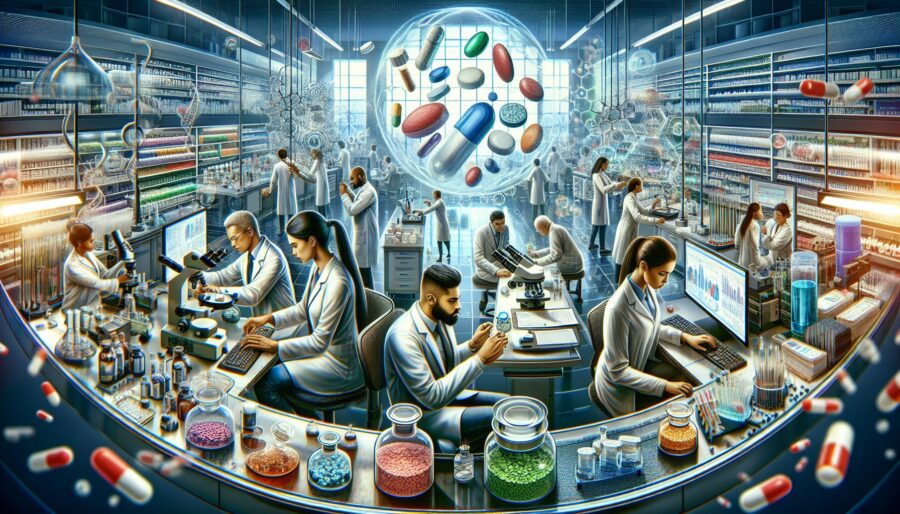
Exploring the World of Pharmaceuticals

The pharmaceutical industry plays a crucial role in our society, providing medications to treat a wide range of illnesses and improve the quality of life for countless individuals. From research and development to production and distribution, pharmaceutical companies are at the forefront of innovation and healthcare.

In recent years, the pharmaceutical world has seen significant advancements in technology and research, leading to the development of new drugs and treatments for various diseases. These advancements have not only improved patient outcomes but have also paved the way for personalized medicine, where treatments can be tailored to individual patients based on their genetic makeup and other factors.

One of the key challenges facing the pharmaceutical industry is the rising cost of drug development and regulation. Bringing a new drug to market can take years and cost billions of dollars, making it essential for companies to carefully manage their resources and investments. Additionally, increasing regulatory requirements and scrutiny from government agencies can add to the time and cost of bringing a new drug to market.

Despite these challenges, the pharmaceutical industry continues to thrive, with companies investing in research and development to bring new and improved drugs to market. The industry is also adapting to changes in healthcare delivery, such as the rise of telemedicine and digital health, which are revolutionizing the way patients access and receive care.

Another trend in the pharmaceutical world is the increasing focus on sustainability and environmental responsibility. Companies are taking steps to reduce their carbon footprint and minimize waste in their operations, demonstrating their commitment to corporate social responsibility.

Overall, the pharmaceutical world is a dynamic and exciting industry that is constantly evolving to meet the changing needs of patients and healthcare providers. As we look to the future, it is clear that the industry will continue to innovate and drive advancements in healthcare, improving the lives of millions of people around the world.

In conclusion, the pharmaceutical world is a vital part of our healthcare system, providing essential medications and treatments to patients in need. With ongoing research and development, as well as a commitment to sustainability and innovation, the industry is well-positioned to continue making significant contributions to healthcare in the years to come.

The Dynamic World of Pharmaceuticals

The pharmaceutical industry is a dynamic and constantly evolving sector that plays a crucial role in healthcare around the world. From research and development of new drugs to ensuring their safety and effectiveness, pharmaceutical companies are at the forefront of medical innovation.

Introduction

Pharmaceutical companies are responsible for developing, testing, and manufacturing a wide range of drugs and medications that are used to treat various medical conditions. This industry is highly regulated to ensure the safety and efficacy of these products, with strict guidelines and protocols that must be followed throughout the drug development process.

Body

One of the key aspects of the pharmaceutical industry is research and development. This involves identifying potential drug candidates, conducting preclinical studies to evaluate their safety and effectiveness, and then moving on to clinical trials to test the drug in humans. These trials are carefully designed to gather data on the drug’s efficacy, safety, and potential side effects before it can be approved for use by regulatory authorities.

Once a drug has been approved, pharmaceutical companies are responsible for manufacturing and distributing it to healthcare providers and patients. This requires state-of-the-art facilities and equipment to ensure that the drugs are produced to the highest quality standards. Quality control is a critical aspect of pharmaceutical manufacturing, with rigorous testing and monitoring procedures in place to ensure that each batch of product meets the required specifications.

Another important aspect of the pharmaceutical industry is pharmacovigilance, which involves monitoring the safety of drugs once they are on the market. This includes collecting and analyzing data on adverse reactions and side effects reported by patients, healthcare providers, and regulatory agencies. If any safety concerns are identified, pharmaceutical companies are required to take appropriate action, which may include updating the product labeling, issuing safety alerts, or even withdrawing the drug from the market.

Conclusion

In conclusion, the pharmaceutical industry is a complex and highly regulated sector that plays a critical role in healthcare. From research and development to manufacturing and distribution, pharmaceutical companies are constantly striving to develop new and innovative drugs that can improve patient outcomes and quality of life. By adhering to strict regulatory standards and maintaining the highest quality standards, pharmaceutical companies are able to ensure the safety and efficacy of the products they bring to market. As the industry continues to evolve and advance, it will be exciting to see what new breakthroughs and innovations are on the horizon.

The Evolving Landscape of the Pharmaceutical World

In recent years, the pharmaceutical industry has seen rapid advancements and changes that have reshaped the way medications are developed, tested, and marketed. From breakthroughs in drug discovery and personalized medicine to the rise of biotechnology and precision therapeutics, the pharmaceutical world is constantly evolving to meet the needs of patients and healthcare providers.

One of the biggest trends in the pharmaceutical world is the shift towards personalized medicine. By leveraging advances in genetic sequencing and biomarker analysis, researchers and companies are able to develop medications that are tailored to individual patients based on their genetic makeup and specific disease characteristics. This approach has the potential to revolutionize the way diseases are treated and managed, leading to more targeted and effective therapies.

In addition to personalized medicine, biotechnology has also played a major role in shaping the pharmaceutical landscape. Biotech companies are at the forefront of developing cutting-edge therapies for a wide range of diseases, including cancer, rare genetic disorders, and autoimmune conditions. These innovative treatments, such as gene therapies and cell-based therapies, offer new hope for patients who previously had limited treatment options.

Furthermore, the rise of precision therapeutics has opened up new possibilities for treating complex diseases. By targeting specific molecules or pathways involved in disease processes, precision therapies are able to deliver more focused and effective treatments with fewer side effects. This approach has led to the development of breakthrough medications for conditions such as cancer, rheumatoid arthritis, and multiple sclerosis.

Despite these advancements, the pharmaceutical industry also faces challenges such as rising drug prices, regulatory hurdles, and competition from generic medications. Companies are under increasing pressure to demonstrate the value and effectiveness of their products, while also navigating complex regulatory environments and changing market dynamics. In response, many pharmaceutical companies are investing in research and development to bring new and innovative therapies to market, while also exploring collaborations and partnerships to enhance their capabilities.

In conclusion, the pharmaceutical world is experiencing a period of rapid change and innovation, driven by advancements in personalized medicine, biotechnology, and precision therapeutics. While challenges remain, companies are rising to the occasion by investing in research and development, forging collaborations, and embracing new technologies to bring groundbreaking therapies to patients around the world. As we look towards the future, the pharmaceutical industry has the potential to continue transforming healthcare and improving outcomes for patients, offering hope for a healthier and brighter tomorrow.

The Ever-Evolving World of Pharmaceuticals

The pharmaceutical industry has always been at the forefront of medical advancements, constantly pushing the boundaries of science and innovation to develop new drugs and treatments that improve the quality of life for patients around the world. From the discovery of antibiotics and vaccines to the development of cutting-edge biologics and precision medicine, the pharmaceutical world is a dynamic and exciting field that is constantly evolving.

One of the key drivers of innovation in the pharmaceutical world is research and development. Pharmaceutical companies invest billions of dollars each year in R&D to discover new drugs and bring them to market. This process can take years, as researchers work tirelessly to understand the underlying mechanisms of diseases and develop targeted therapies that can effectively treat them. From small molecules to biologics, the diverse range of drugs being developed today reflects the complexity of human health and the need for personalized treatment options.

In addition to R&D, regulatory approval is another crucial aspect of the pharmaceutical world. Before a new drug can be marketed and sold to patients, it must undergo rigorous testing and evaluation to ensure its safety and efficacy. Regulatory agencies such as the FDA in the United States and the EMA in Europe play a critical role in this process, reviewing data from clinical trials and granting approval for drugs that meet the necessary criteria. This regulatory framework is designed to protect patients and ensure that only safe and effective treatments are available on the market.

As technology continues to advance, the pharmaceutical world is also embracing new innovations such as artificial intelligence, machine learning, and big data analytics. These tools are revolutionizing drug discovery and development, speeding up the process of identifying potential drug targets and predicting how different compounds will interact with the body. By harnessing the power of data and technology, pharmaceutical companies are able to accelerate the pace of innovation and bring new therapies to market faster than ever before.

Despite the challenges and complexities of the pharmaceutical world, the rewards are substantial. The ability to develop life-saving treatments, improve patient outcomes, and positively impact public health is incredibly fulfilling for those working in the industry. Whether it’s a researcher in a lab, a clinical trial coordinator, or a regulatory affairs specialist, everyone plays a vital role in bringing new drugs to market and ultimately improving the lives of patients.

In conclusion, the pharmaceutical world is a dynamic and ever-evolving field that offers countless opportunities for innovation and impact. By continuing to invest in research and development, embrace new technologies, and collaborate with regulatory agencies, pharmaceutical companies can drive progress and shape the future of healthcare. The challenges may be great, but so too are the rewards for those dedicated to advancing medicine and improving patient care.

Exploring the World of Pharmaceuticals

From pain relief to life-saving medications, the world of pharmaceuticals plays a crucial role in our health and well-being. With advancements in technology and research, this industry continues to evolve and provide innovative solutions for various health conditions. In this article, we will delve into the world of pharmaceuticals, exploring its impact on society and the ever-changing landscape of drug development.

The pharmaceutical industry is a vast and multifaceted sector that encompasses drug research, development, manufacturing, and distribution. It is responsible for producing a wide range of medications, from over-the-counter pain relievers to complex treatments for chronic diseases. Pharmaceuticals play a crucial role in improving public health by providing access to essential medications that treat and prevent various ailments.

One of the most significant challenges facing the pharmaceutical industry is the constant need for innovation. As diseases and health conditions continue to evolve, so does the demand for new and improved medications. This has led to a surge in research and development efforts, with pharmaceutical companies investing heavily in exploring new drug candidates and treatment options.

In recent years, the rise of personalized medicine has revolutionized the pharmaceutical industry. This approach tailors treatments to individual patients based on their genetic makeup, lifestyle, and other factors. By targeting specific genetic markers and pathways, personalized medicine offers more targeted and effective treatment options for patients with various diseases, such as cancer and rare genetic disorders.

Despite the many advancements in pharmaceutical research and development, the industry also faces several challenges. These include regulatory hurdles, intellectual property issues, and the rising costs of drug development. Pharmaceutical companies must navigate these obstacles while continuing to innovate and provide safe, effective, and affordable medications to patients worldwide.

In conclusion, the world of pharmaceuticals is a dynamic and fast-paced industry that plays a vital role in improving public health. From developing new medications to ensuring their safety and efficacy, pharmaceutical companies are at the forefront of medical innovation. As technology continues to advance and new treatment modalities emerge, the pharmaceutical industry will continue to evolve and provide new solutions for patients in need. By staying at the forefront of research and development, pharmaceutical companies can continue to make a positive impact on society and improve the lives of countless individuals around the world.

Exploring the Dynamic World of Pharmaceuticals

The pharmaceutical industry is a vast and complex world that plays a crucial role in healthcare and the well-being of individuals. From researching and developing new drugs to manufacturing and distributing medications, pharmaceutical companies are constantly working to improve and innovate in order to provide safe and effective treatments for various medical conditions.

One of the key components of the pharmaceutical world is research and development. Companies invest significant resources into discovering new drugs and treatments that can address unmet medical needs and improve patient outcomes. This process often involves years of research, testing, and clinical trials to ensure the safety and efficacy of new medications.

Once a new drug has been developed, pharmaceutical companies must go through a rigorous process of manufacturing and quality control to ensure that each medication meets the highest standards of safety and effectiveness. This process involves adhering to strict regulations set forth by regulatory agencies such as the Food and Drug Administration (FDA) in the United States.

In addition to developing and manufacturing medications, pharmaceutical companies also play a crucial role in distribution and supply chain management. From producing medications in large quantities to ensuring timely and efficient delivery to pharmacies and healthcare providers, pharmaceutical companies must carefully manage the logistics of getting medications into the hands of patients who need them.

The pharmaceutical world is constantly evolving, with new technologies and scientific advancements driving innovation in drug development and delivery. From the exploration of new drug targets to the development of novel delivery systems, the pharmaceutical industry is at the forefront of healthcare innovation.

Despite the many challenges and complexities of the pharmaceutical world, one thing remains constant – the ultimate goal of improving patient health and well-being. Pharmaceutical companies are committed to developing safe and effective medications that can help patients lead healthier and more fulfilling lives.

In conclusion, the pharmaceutical world is a dynamic and ever-changing industry that plays a vital role in healthcare. From research and development to manufacturing and distribution, pharmaceutical companies are dedicated to improving patient outcomes and advancing medical science. As we continue to navigate the complexities of healthcare, the pharmaceutical industry will undoubtedly play a key role in shaping the future of medicine.

The Ever-Changing Landscape of the Pharmaceutical World

In today’s fast-paced world, the pharmaceutical industry is constantly evolving. With new advancements in technology, research, and regulations, the landscape of the pharmaceutical world is ever-changing. From new drugs hitting the market to breakthroughs in treatment options, the pharmaceutical industry plays a crucial role in improving the quality of life for millions of people worldwide.

The pharmaceutical world is built on a foundation of research and development. Companies invest millions of dollars into developing new drugs and treatments to address a wide range of health issues. From cancer to diabetes, pharmaceutical companies are constantly striving to find new ways to help patients live longer, healthier lives.

Regulations also play a significant role in shaping the pharmaceutical world. The Food and Drug Administration (FDA) in the United States, along with regulatory bodies in other countries, set strict guidelines for drug approval and safety. These regulations ensure that patients receive safe and effective treatments, while also holding pharmaceutical companies accountable for their products.

One of the most exciting aspects of the pharmaceutical world is the constant innovation and discovery. Scientists are constantly researching new compounds, testing new treatments, and pushing the boundaries of what is possible in the field of medicine. From personalized medicine to gene therapy, the future of healthcare is bright and full of promise.

However, with new advancements come new challenges. The rising cost of healthcare and the increasing demand for innovative treatments put pressure on pharmaceutical companies to deliver results. Balancing the need for profit with the need for accessibility and affordability is a constant struggle in the pharmaceutical world.

In conclusion, the pharmaceutical world is a complex and ever-changing industry that plays a crucial role in improving the health and well-being of people around the world. From research and development to regulations and innovation, the pharmaceutical industry is at the forefront of modern medicine. As technology continues to advance and new breakthroughs are made, the future of healthcare looks brighter than ever.

The Complex World of Pharmaceutical Industry

The pharmaceutical world is one of the most complex and regulated industries in the world. It is responsible for developing, producing, and marketing drugs and medications that help treat a wide range of illnesses and conditions. The industry plays a critical role in improving the health and well-being of individuals around the globe.

The Development Process

The development of a new drug can take years and requires extensive research and testing. Pharmaceutical companies invest billions of dollars in research and development to create new medications that are safe and effective. This process involves identifying potential drug candidates, conducting preclinical studies, and then moving on to clinical trials in humans.

Clinical trials are conducted in multiple phases to evaluate the safety and efficacy of the drug. These trials involve thousands of participants and are closely monitored by regulatory authorities to ensure that the drug meets all necessary requirements before it can be approved for sale to the public.

Regulation and Approval

The pharmaceutical industry is heavily regulated by government agencies such as the Food and Drug Administration (FDA) in the United States. These agencies set strict guidelines for the approval of new drugs, ensuring that they are safe, effective, and manufactured to high quality standards.

Before a drug can be approved for sale, it must undergo a rigorous review process by regulatory authorities. This process can take several years and involves submitting extensive data on the drug’s safety and efficacy. Only after the drug is deemed safe and effective will it be granted approval for marketing and sale.

Challenges and Controversies

Despite its important role in healthcare, the pharmaceutical industry faces a number of challenges and controversies. One of the most pressing issues is the rising cost of medications, which can put a significant financial strain on patients and healthcare systems.

There is also growing concern about the influence of pharmaceutical companies on medical research and prescribing practices. Critics argue that the industry’s focus on profit can sometimes lead to unethical behavior, such as off-label marketing or manipulating clinical trial data.

Conclusion

The pharmaceutical world is a complex and ever-evolving industry that plays a crucial role in improving healthcare outcomes. While there are challenges and controversies within the industry, it is important to recognize the many ways in which pharmaceutical companies have contributed to medical advancements and improved patient outcomes. By adhering to strict regulations and ethical guidelines, the pharmaceutical industry can continue to make a positive impact on global health.

The Evolving Landscape of the Pharmaceutical World

In recent years, the pharmaceutical industry has seen significant advancements and changes that have greatly impacted the way drugs are developed, tested, and marketed. With new technologies, increased regulations, and growing competition, the landscape of the pharmaceutical world is constantly evolving.

The introduction of precision medicine has revolutionized the way drugs are developed and prescribed. By taking into account an individual’s genetic makeup, lifestyle, and environment, pharmaceutical companies are able to tailor treatments to a patient’s specific needs. This personalized approach has led to more effective and targeted therapies, ultimately improving patient outcomes.

Advancements in technology have also played a crucial role in the pharmaceutical world. High-throughput screening techniques, computational modeling, and artificial intelligence have accelerated the drug discovery process, allowing researchers to identify potential drug candidates in a fraction of the time it would have taken using traditional methods. This has led to a rapid increase in the number of new drugs being brought to market, offering hope to patients with previously unmet medical needs.

However, with these advancements come challenges. The pharmaceutical industry is facing increased pressure to demonstrate the safety and efficacy of their products, as well as the cost-effectiveness of new treatments. Regulatory agencies are becoming more stringent in their requirements for drug approval, placing a greater emphasis on real-world evidence and long-term safety monitoring.

Furthermore, the rise of biotechnology companies and generic drug manufacturers has intensified competition within the pharmaceutical industry. As a result, pharmaceutical companies are under pressure to innovate and differentiate their products in order to stay ahead in the market. This has led to an increase in strategic partnerships, mergers, and acquisitions, as companies seek to expand their portfolios and capabilities.

In conclusion, the pharmaceutical world is constantly evolving as new technologies, regulations, and competition shape the industry. While these changes present both opportunities and challenges, they ultimately have the potential to improve the quality of healthcare and outcomes for patients. By staying abreast of the latest developments and adapting to the shifting landscape, pharmaceutical companies can continue to drive innovation and make a positive impact on global health.

Page 2 of 36

Powered by WordPress & Theme by Anders Norén